
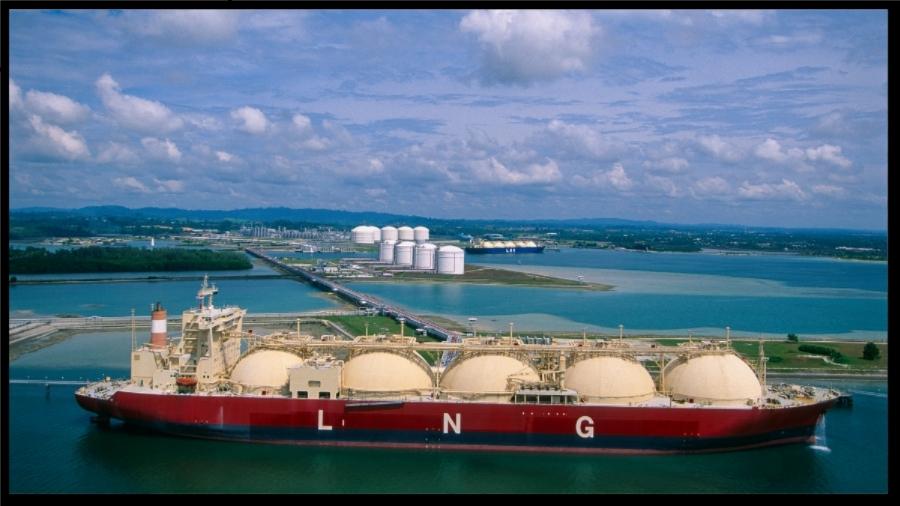
 A Qatari liquefied natural gas tanker has crossed the Strait of Hormuz and headed towards Pakistan’s Port Qasim, offering an early sign that limited Gulf energy flows may be resuming after weeks of severe disruption around the world’s most sensitive fuel-shipping chokepoint.
The Al Kharaitiyat, a Q-Flex LNG carrier loaded at Ras Laffan, left Qatar last week and moved through the strait on Sunday before entering the Gulf of Oman. Ship-tracking data placed the vessel on course for Port Qasim, with arrival expected on Monday, May 11. The tanker is sailing under the Marshall Islands flag and is linked to Qatar’s LNG export network through Nakilat.
The movement is significant because it marks the first confirmed Qatari LNG shipment through the waterway since the conflict involving Iran sharply curtailed maritime traffic from the Gulf. The passage followed diplomatic contacts involving Pakistan, Qatar and Iran, with Tehran understood to have allowed a limited transit window for cargoes tied to Pakistan’s power and industrial needs.
Pakistan’s energy planners have been under pressure as higher temperatures lift electricity demand and gas shortages affect power plants, fertiliser producers and industries reliant on imported fuel. LNG has become a critical part of the country’s energy mix since the start of imports through Port Qasim in 2015, even though weak demand, high tariffs and dollar constraints have complicated procurement decisions.
The cargo also comes at a delicate point for Islamabad’s fuel strategy. Pakistan had been trying to balance contracted Qatari supplies, spot-market purchases and foreign-exchange limits while avoiding expensive emergency imports. A disruption to Qatari deliveries through Hormuz left officials facing the risk of power shortages during the summer demand cycle, forcing fresh tenders for additional LNG cargoes even as prices remained volatile.
Port Qasim is Pakistan’s main LNG gateway, handling cargoes through floating storage and regasification facilities that convert imported LNG back into gas for the national transmission system. The country’s first LNG import terminal, operated by Engro Elengy Terminal, has been in service since 2015 and has helped supply power generation, industry and households. A second terminal operated by Pakistan GasPort expanded import capacity, but utilisation has varied with demand, pricing and payment conditions.
Qatar’s role is central. Ras Laffan is one of the world’s largest LNG export hubs, and much of Qatar’s LNG must pass through Hormuz before reaching buyers in Asia and Europe. Roughly one-fifth of global LNG trade moves through the strait, with Qatar and the UAE among the suppliers most exposed to any closure or security restriction. Unlike crude oil, which can be partly rerouted through pipelines, LNG from Qatar has few practical alternatives if tankers cannot leave Gulf waters.
The Al Kharaitiyat passage may ease immediate concerns in Pakistan but does not remove the wider risk to energy markets. Tanker flows remain exposed to military escalation, insurance restrictions, port delays and security instructions from states around the waterway. Shipping companies also face difficult decisions over routing, crew safety and whether to keep automatic identification systems active in contested waters.
Market reaction has been cautious because one successful transit does not guarantee a sustained reopening. Energy traders are watching whether more Qatari LNG carriers follow the same route in the coming days and whether buyers in South Asia, East Asia and Europe can rely on scheduled cargoes. Any further interruption could tighten spot LNG supply, raise freight costs and intensify competition for flexible cargoes from the United States, Australia and other exporters.
Topics
World