
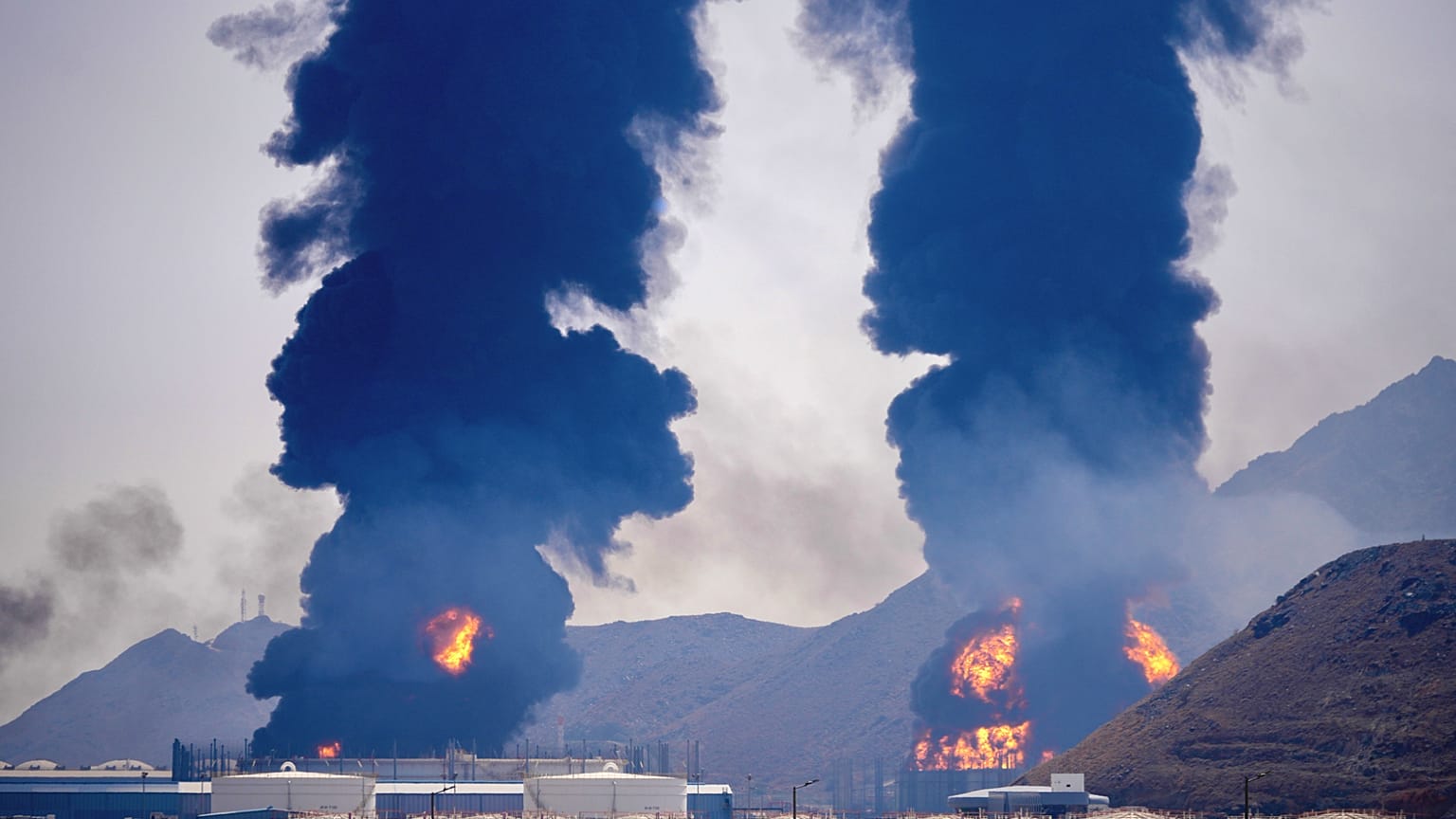
 A worker was killed after debris from an intercepted drone fell on a farm in Fujairah, authorities said on April 1, marking another civilian fatality linked to the widening security fallout from airborne attacks and interceptions across the Gulf. Officials said the incident took place in the Al Rifa’a area after air defences brought down an unmanned aerial vehicle over the emirate.
 Authorities identified the victim as a Bangladeshi national and said emergency teams responded at the scene. No further casualties were reported in the Fujairah incident, though officials urged the public to rely on official channels and avoid circulating unverified information that could fuel confusion or panic. The official account, carried by multiple UAE-based outlets, underscored that the fatality was caused by falling debris after a successful interception rather than by a direct strike on the farm itself.
The death adds to a pattern that has become increasingly important in the region’s security calculus: even where air defences succeed, debris can still inflict lethal damage on the ground. Coverage from UAE and regional outlets indicates that several deaths and injuries recorded during the broader confrontation have been tied to falling fragments or shrapnel after interceptions, rather than to direct impacts alone. That has sharpened scrutiny of how governments communicate risk to residents living near strategic or open areas, including farms, industrial sites and energy infrastructure.
Fujairah carries particular strategic weight because it sits outside the Strait of Hormuz and hosts one of the UAE’s most important energy and shipping hubs. Reuters reported on March 14 that oil-loading operations in Fujairah were partly halted after an earlier drone-related incident and fire in the emirate’s oil industry zone, highlighting how security shocks in the area can ripple through energy logistics and global supply concerns. That earlier disruption, while separate from the farm fatality announced on April 1, had already drawn attention to the vulnerability of critical sites on the UAE’s east coast.
The broader backdrop is a period of elevated confrontation involving Iran, the United States and Israel, during which Gulf states have faced heightened concern over spillover attacks, retaliatory actions and indirect exposure through maritime and energy corridors. Reporting across regional publications has linked the Fujairah fatality to that wider phase of conflict, with drone interceptions and projectile alerts becoming part of the security environment confronting several Gulf states. For policymakers, the challenge is no longer limited to deterring attacks on infrastructure; it also includes managing the civilian hazards created when threats are intercepted over populated or economically sensitive areas.
That tension has altered the language of public safety messaging. Officials in Fujairah did not only confirm the casualty; they also stressed information discipline, a sign that governments see misinformation as a parallel risk during such incidents. In fast-moving security events, authorities are increasingly trying to prevent unofficial footage, speculation and exaggerated casualty claims from spreading before verified details are established. The emphasis on official updates reflects a broader regional pattern in which governments are seeking tighter control over public communications during air-defence incidents.
For the UAE, the episode also revives questions about how civilian protection is calibrated in an era of cheap drones, long-range projectiles and layered air-defence systems. Successful interceptions remain central to national security, but the Fujairah death shows that tactical success does not remove danger for those on the ground. Farms, labour accommodation, transport corridors and industrial perimeters can all become exposed to secondary effects, especially when interceptions occur at low or medium altitude. Analysts and security planners across the region have increasingly viewed drone warfare as a problem of persistence and diffusion: the weapons are smaller, the targets broader, and the consequences harder to contain neatly within military boundaries.
Topics
Live News