
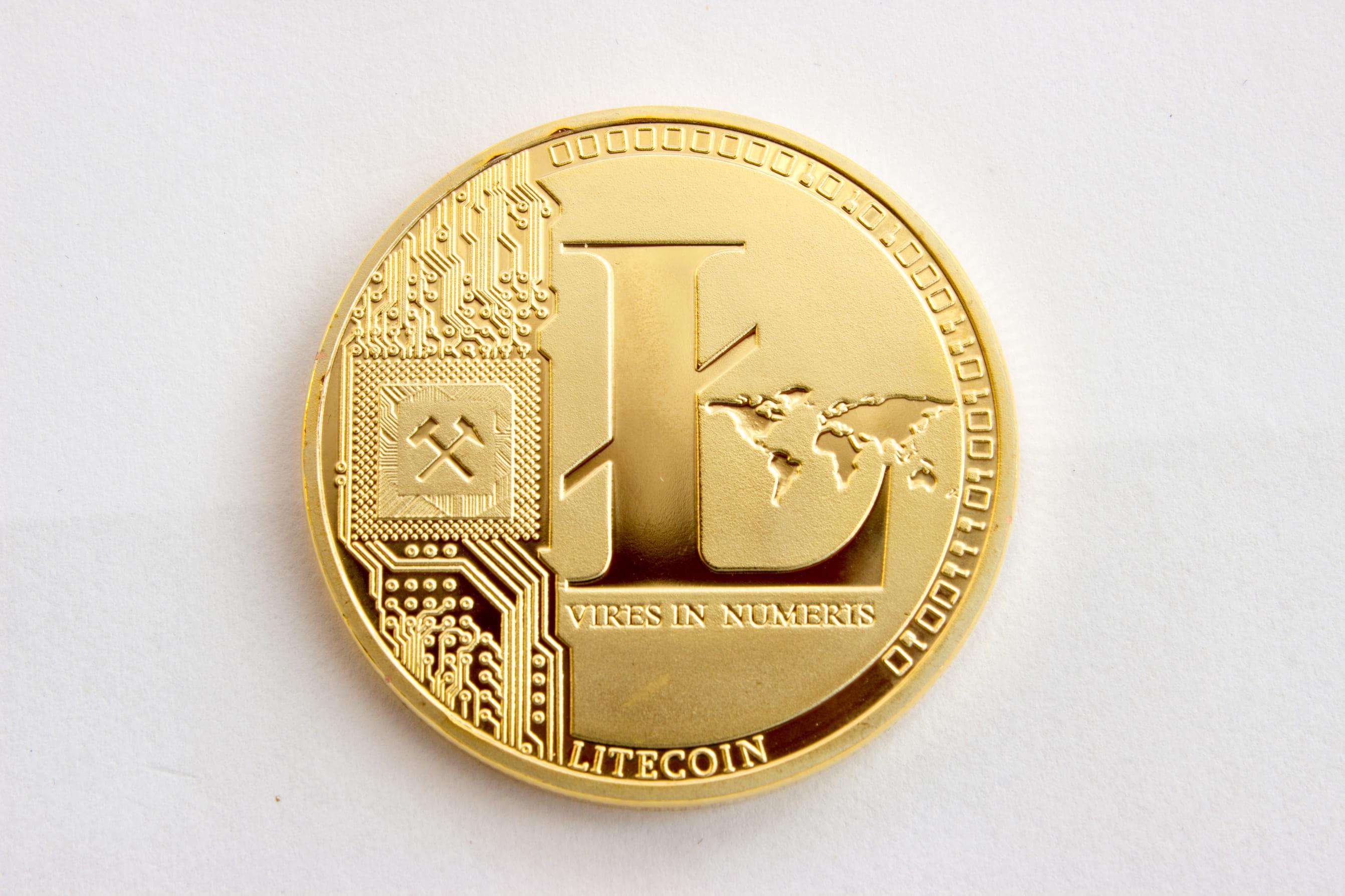
 Charlie Lee, the creator of Litecoin, has expressed regret over selling his Bitcoin holdings when the cryptocurrency traded near $1,000, as Bitcoin’s ascent into a dominant store of value continues to reshape global perceptions of safe-haven assets.
Lee’s remarks have drawn attention across digital asset markets, where Bitcoin’s growing comparison with gold has intensified amid shifting macroeconomic conditions, institutional adoption, and geopolitical uncertainty. His reflection underscores a broader narrative among early cryptocurrency participants who underestimated the long-term trajectory of Bitcoin’s price and influence.
Bitcoin, launched in 2009, has evolved from an experimental digital currency into a multi-trillion-dollar asset class at its peak, attracting interest from hedge funds, sovereign wealth entities, and publicly listed companies. Analysts point to its finite supply of 21 million coins and decentralised structure as factors underpinning its appeal as “digital gold”, particularly during periods of currency volatility and inflationary pressure.
Lee, who created Litecoin in 2011 as a faster and lighter alternative to Bitcoin, had been an early advocate of the flagship cryptocurrency. His decision to sell a significant portion of his Bitcoin holdings at around $1,000—long before the asset’s exponential rise—has become emblematic of missed opportunities in the sector. Bitcoin has since traded at levels exceeding $60,000 during previous market cycles, reinforcing its reputation as a high-performing asset despite its volatility.
Market participants have increasingly framed Bitcoin as a hedge against systemic financial risks. Institutional adoption accelerated after major asset managers and financial firms began offering Bitcoin-linked products, including exchange-traded funds and custodial services. This shift has broadened the investor base beyond retail traders to include pension funds and corporate treasuries.
At the same time, gold—long regarded as the ultimate safe haven—has faced competition from digital assets. While gold retains its historical role as a store of value, Bitcoin’s portability, divisibility, and ease of transfer have appealed to a new generation of investors. Some analysts argue that Bitcoin’s fixed supply contrasts sharply with fiat currencies, which can be expanded by central banks, thereby enhancing its attractiveness in inflationary environments.
Critics, however, caution that Bitcoin’s volatility and regulatory uncertainties limit its reliability as a direct substitute for gold. Price swings driven by speculative trading, macroeconomic signals, and policy announcements have led to sharp corrections, challenging its stability as a safe-haven asset. Governments and regulators across major economies continue to scrutinise cryptocurrency markets, introducing compliance requirements that could influence future adoption.
Lee’s comments also reflect a philosophical tension within the crypto community regarding long-term holding versus profit-taking. Early adopters who realised gains during Bitcoin’s initial growth phase often did so without anticipating the scale of its eventual rise. His experience mirrors that of other pioneers who prioritised diversification or liquidity over holding a single asset.
Litecoin itself remains among the longest-standing cryptocurrencies, often referred to as the “silver” to Bitcoin’s “gold”. It has maintained a role in facilitating faster transactions and lower fees, although it has struggled to match Bitcoin’s dominance in market capitalisation and institutional interest. The evolving landscape has seen newer blockchain platforms introduce advanced functionalities such as smart contracts, further diversifying the digital asset ecosystem.
The broader crypto market continues to be shaped by technological innovation, regulatory developments, and macroeconomic trends. Central bank digital currencies, stablecoins, and decentralised finance platforms are expanding the scope of digital finance, while security concerns and market manipulation risks remain areas of scrutiny.
Lee’s reflection arrives at a time when debates over Bitcoin’s long-term role are intensifying. Supporters view it as a transformative asset capable of redefining financial systems, while sceptics question its intrinsic value and sustainability. The comparison with gold has become a central theme in these discussions, with each asset offering distinct advantages and limitations.
Topics
Cryptocurrency