
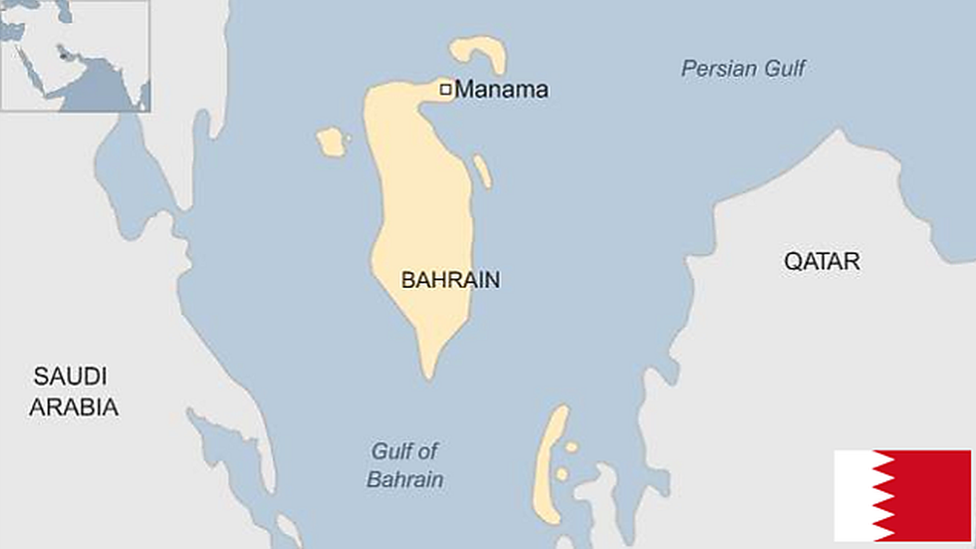
 Bahrain’s banking sector is maintaining stability and resilience despite global financial uncertainties, with industry leaders pointing to strong regulatory oversight, capital buffers and diversified operations as key pillars supporting the system.
The Bahrain Association of Banks has indicated that the kingdom’s financial sector continues to demonstrate solid fundamentals, underpinned by prudent risk management and a regulatory framework that has evolved in line with international standards. The assessment comes at a time when banking systems across several regions are navigating higher interest rates, tightening liquidity and geopolitical pressures affecting capital flows.
Officials and banking executives say Bahrain’s long-standing position as a regional financial hub has helped it absorb external shocks more effectively. The country hosts a mix of conventional and Islamic financial institutions, alongside wholesale and retail banking operations, which together contribute to a diversified and relatively balanced sector.
The Central Bank of Bahrain’s supervisory approach has been cited as a central factor in maintaining confidence. Regulatory reforms over the past decade have strengthened capital adequacy requirements and enhanced compliance standards, aligning the kingdom with global banking norms. Analysts note that local banks have maintained capital ratios comfortably above minimum thresholds, providing a buffer against potential economic volatility.
Banking sector performance has also been supported by steady credit growth and a cautious approach to lending. While global interest rate cycles have increased borrowing costs, lenders in Bahrain have managed to sustain asset quality by focusing on well-capitalised borrowers and maintaining conservative provisioning practices. Non-performing loan ratios have remained contained compared with some regional peers, reflecting disciplined credit assessment.
The Islamic banking segment continues to play a significant role in Bahrain’s financial landscape. As one of the early adopters of Islamic finance, the kingdom has built a regulatory and operational ecosystem that supports Sharia-compliant products. Industry participants say this segment has contributed to stability by attracting diverse funding sources and catering to a broad investor base across the Gulf and beyond.
Economic diversification efforts have also reinforced the banking sector’s resilience. Bahrain’s push to expand non-oil sectors such as financial services, fintech and tourism has helped reduce reliance on hydrocarbon revenues, indirectly supporting credit demand and financial activity. Government-backed initiatives aimed at fostering innovation in financial technology have further strengthened the ecosystem, positioning Bahrain as a testing ground for digital banking solutions in the region.
Digital transformation is emerging as a key theme shaping the sector’s trajectory. Banks are investing in technology to improve efficiency, enhance customer experience and reduce operational costs. The rise of digital payments, open banking frameworks and regulatory sandboxes has encouraged both established institutions and new entrants to innovate. While this shift introduces competitive pressures, it also offers opportunities for growth and improved service delivery.
External risks remain a factor, particularly those linked to global monetary policy and regional geopolitical developments. Higher interest rates can affect borrowing demand and asset valuations, while shifts in global liquidity conditions may influence cross-border capital flows. However, sector leaders argue that Bahrain’s strong regulatory oversight and diversified financial base provide a degree of insulation against such pressures.
Liquidity levels within the banking system have been described as adequate, supported by stable deposit bases and access to regional funding markets. The presence of international banks operating in Bahrain has also contributed to deeper financial linkages, facilitating trade finance and investment flows. This interconnectedness, while beneficial, requires careful monitoring to manage exposure to external shocks.
Industry observers point to the importance of continued regulatory vigilance as the financial landscape evolves. The adoption of advanced risk management frameworks and stress testing practices is seen as essential to sustaining confidence. Authorities have also emphasised the need to address emerging risks linked to cybersecurity and digitalisation, areas that are becoming increasingly critical as banking operations move online.
Market sentiment towards Bahrain’s banking sector has remained broadly positive, with stakeholders highlighting its adaptability and institutional strength. The kingdom’s ability to balance innovation with regulatory discipline is viewed as a distinguishing feature, enabling it to navigate changing global conditions while maintaining financial stability.
Topics
Bahrain