
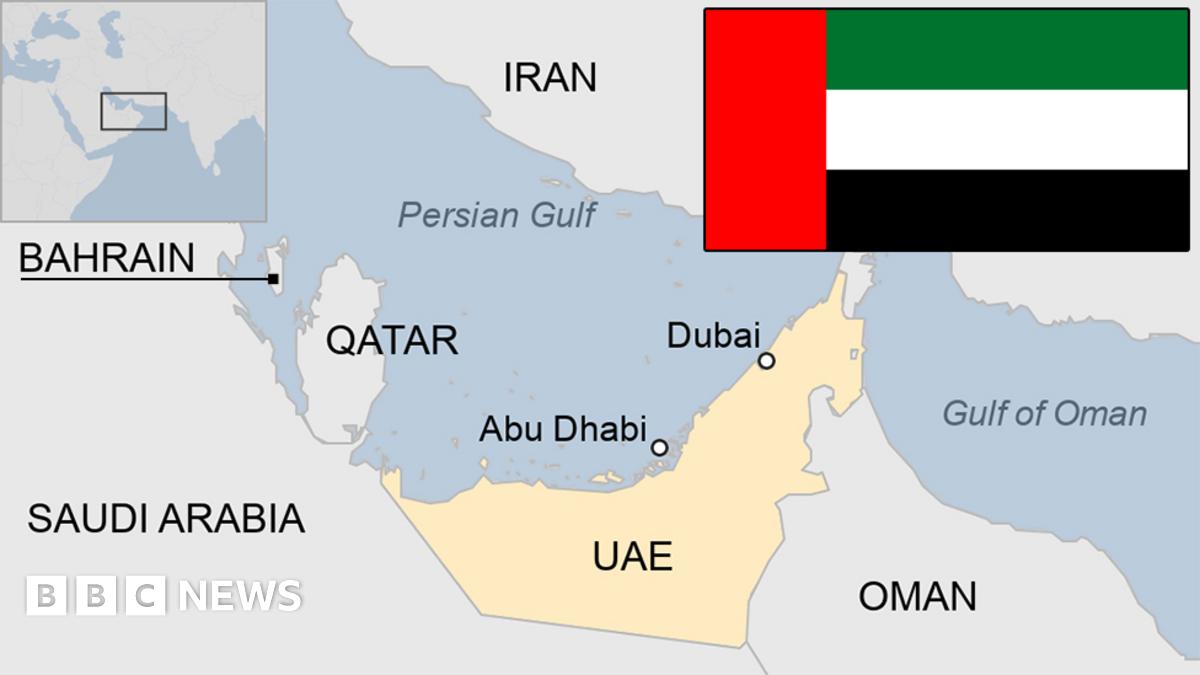
 UAE air defence systems intercepted 13 ballistic missiles and 27 unmanned aerial vehicles on 18 March 2026, according to official statements, as tensions with Iran escalated sharply and raised fresh concerns over regional security and airspace safety.
Authorities said the projectiles were launched from Iranian territory and neutralised before reaching critical infrastructure or populated areas. No casualties or significant damage were reported, though officials described the scale of the attempted strike as among the most extensive faced by the country in the current cycle of hostilities.
The engagement forms part of a broader pattern of attacks and interceptions since the onset of what the UAE has characterised as Iranian aggression. Defence officials indicated that air defence units have intercepted more than 300 missiles and drones over multiple incidents, underscoring the sustained nature of the threat and the growing reliance on layered missile defence systems.
Military analysts note that the combination of ballistic missiles and UAVs reflects a dual-track strategy often employed to overwhelm air defence networks. Ballistic missiles, travelling at high speeds and on steep trajectories, are designed to test interception capabilities, while drones—often deployed in swarms—aim to saturate radar systems and exploit any gaps in coverage. The latest incident suggests a coordinated attempt to challenge the UAE’s integrated defence architecture.
The UAE’s response highlights the effectiveness of its multi-layered air defence system, which combines early warning radars, interceptor missiles and electronic warfare capabilities. Defence experts point out that such systems are designed to handle simultaneous threats from different vectors, a necessity in an era where missile and drone technologies are increasingly accessible and adaptable.
Officials reiterated that the country’s defensive posture is purely protective, aimed at safeguarding civilians, economic infrastructure and energy facilities. The UAE has invested heavily in advanced air defence platforms over the past decade, reflecting broader concerns among Gulf states about missile proliferation and asymmetric warfare tactics in the region.
The incident has also drawn attention to the wider geopolitical context, where tensions between Iran and several Gulf countries have been compounded by disputes over maritime security, energy routes and regional influence. Shipping lanes in the Gulf and adjacent waters remain critical for global energy supplies, and any escalation carries implications far beyond the immediate area.
Airspace management has become an increasingly complex challenge, with civil aviation authorities working closely with defence agencies to ensure the safety of commercial flights. Temporary rerouting and precautionary measures have been implemented during periods of heightened alert, reflecting lessons learned from earlier incidents in the region where missile and drone activity disrupted civilian air traffic.
Regional observers suggest that the continued use of UAVs alongside ballistic missiles marks an evolution in conflict dynamics, with non-state actors and state-backed forces alike adopting similar tactics. The relatively low cost and flexibility of drones make them an attractive option for sustained campaigns, while ballistic missiles retain their strategic significance due to their range and payload capacity.
Diplomatic channels remain active, with calls for de-escalation and restraint from multiple international actors. The situation has prompted renewed discussions on collective security arrangements in the Gulf, as well as the potential for enhanced cooperation on missile defence among allied countries.
Economic considerations are also at play, particularly given the UAE’s role as a major hub for trade, finance and logistics. Market analysts are closely monitoring the situation, noting that prolonged instability could affect investor sentiment, insurance costs and shipping operations. However, the absence of damage in the latest incident has so far helped maintain confidence in the resilience of the country’s infrastructure.
Security experts caution that while interception rates appear high, the persistent nature of the threat requires continuous vigilance and technological adaptation. Advances in missile manoeuvrability and drone swarm tactics present ongoing challenges, necessitating upgrades in detection systems, faster response times and improved coordination between defence units.
Topics
Live News