
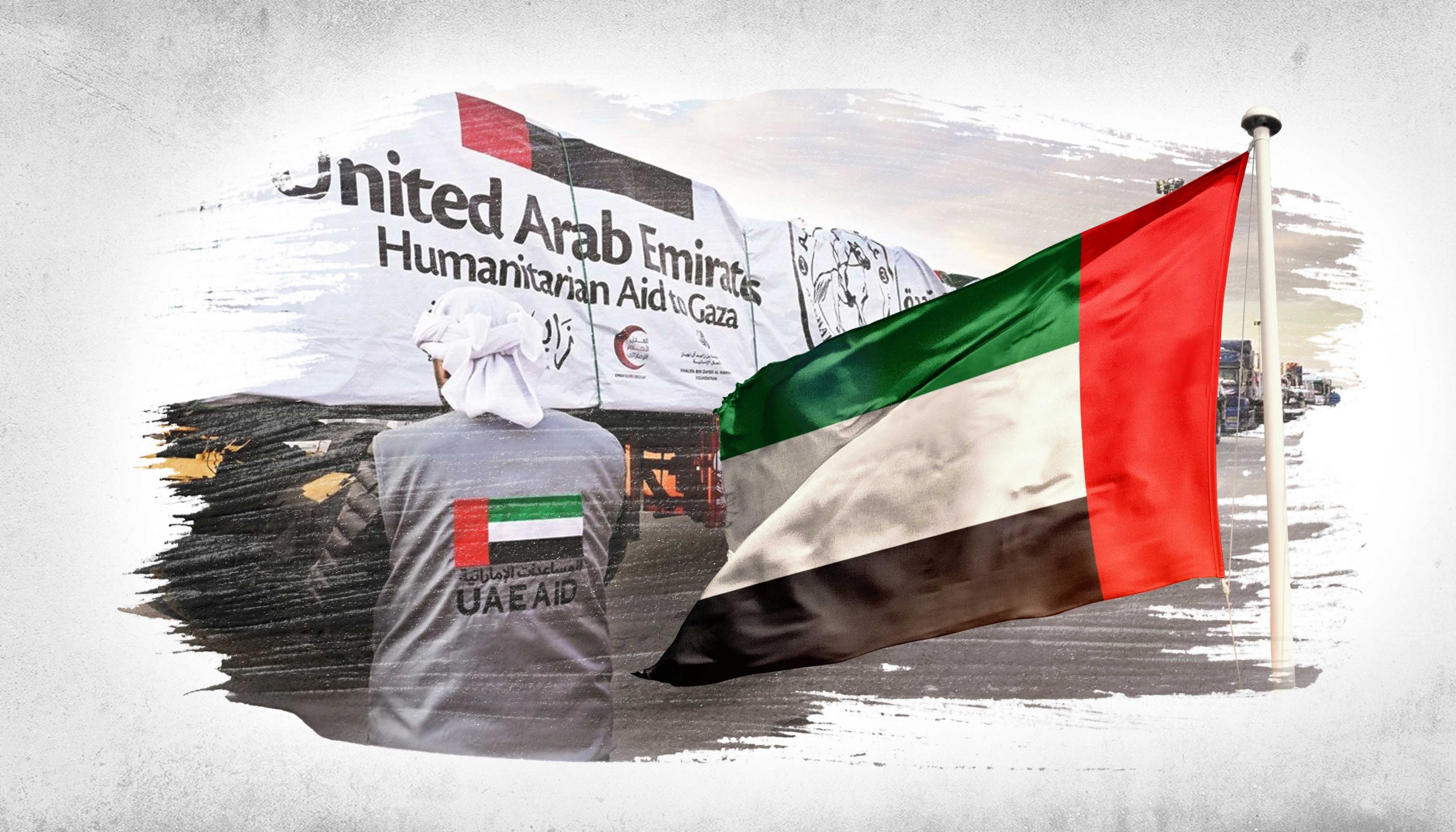
 United Arab Emirates will deploy its diplomatic relationships to secure measurable improvements on the ground in Gaza, Dr Anwar Gargash, diplomatic adviser to President Sheikh Mohamed bin Zayed Al Nahyan, said during remarks at the Munich Security Conference, signalling a more assertive push by Abu Dhabi on humanitarian access and post-conflict stabilisation.
Addressing policymakers and security officials in Germany, Gargash said the priority was to translate diplomatic engagement into “tangible outcomes” for civilians affected by months of conflict. He stressed that the scale of destruction and displacement in Gaza demanded coordinated international action that went beyond statements of concern. UAE, he added, would use its channels with regional and global actors to press for expanded aid flows, protection for civilians and renewed momentum towards a political horizon.
War between Israel and Hamas, which erupted in October 2023 following Hamas’s cross-border attack, has left tens of thousands dead and much of Gaza’s infrastructure damaged or destroyed. Humanitarian agencies have warned of severe shortages of food, water and medical supplies, with health facilities operating under extreme strain. International mediation efforts involving Egypt, Qatar and the United States have sought to broker pauses in fighting and secure the release of hostages, while debates continue over long-term governance arrangements for the enclave.
UAE has positioned itself as a key humanitarian donor during the crisis. Emirati cargo aircraft and naval vessels have delivered medical supplies, food and field hospital equipment, and the country established a field hospital in southern Gaza to treat the wounded. Gargash indicated that such assistance would continue, but argued that humanitarian relief alone could not substitute for a political track aimed at a sustainable settlement.
He reiterated support for a two-state solution, describing it as the only viable framework for lasting peace. According to Gargash, restoring a credible pathway towards Palestinian statehood would be essential to prevent cycles of violence. His comments reflected broader Arab League positions calling for an immediate ceasefire and a revival of negotiations based on internationally recognised parameters.
Diplomatic analysts at the conference noted that Abu Dhabi’s leverage stems in part from its relations with Israel under the Abraham Accords, as well as longstanding ties with Washington and European capitals. UAE normalised relations with Israel in 2020, becoming one of the first Gulf states to do so, a move that opened economic and security cooperation but also placed the country in a delicate position during periods of heightened Israeli-Palestinian tension.
Gargash acknowledged that regional diplomacy required balancing engagement with candid dialogue. He argued that countries maintaining open channels with all parties were better placed to influence outcomes than those operating from the margins. At the same time, he emphasised that public opinion across the Arab world remained deeply affected by images from Gaza, underscoring the need for visible improvements in humanitarian conditions.
The Munich forum, attended by senior officials from the United States, Europe and the Middle East, has been dominated by discussions on Ukraine, Indo-Pacific security and the future of multilateralism. Yet the Gaza conflict has continued to draw attention, particularly over its implications for regional stability. Tensions along the Israel-Lebanon border, Houthi attacks on Red Sea shipping and strikes in Syria and Iraq have raised fears of a broader conflagration.
Against that backdrop, Gargash said regional actors bore a responsibility to prevent escalation. He pointed to the importance of safeguarding maritime routes and containing proxy confrontations that could undermine economic recovery efforts in the Gulf. UAE, a major trading and logistics hub, has a direct stake in stability across the Red Sea and eastern Mediterranean corridors.
European officials attending the conference have called for increased humanitarian funding and expressed support for efforts to rebuild Gaza’s civilian infrastructure once conditions permit. Questions remain over who would administer the territory after the conflict and how reconstruction would be financed. Gulf states, including UAE, have indicated that any substantial reconstruction role would require credible governance reforms and progress towards a political settlement.
Gargash did not outline specific initiatives but suggested that Emirati diplomacy would intensify in the coming months. He said partnerships with Egypt, Jordan and other regional stakeholders were central to shaping a coordinated approach. Engagement with Washington and European capitals, he added, would focus on aligning humanitarian, security and political tracks rather than treating them as separate files.
Topics
Live News