
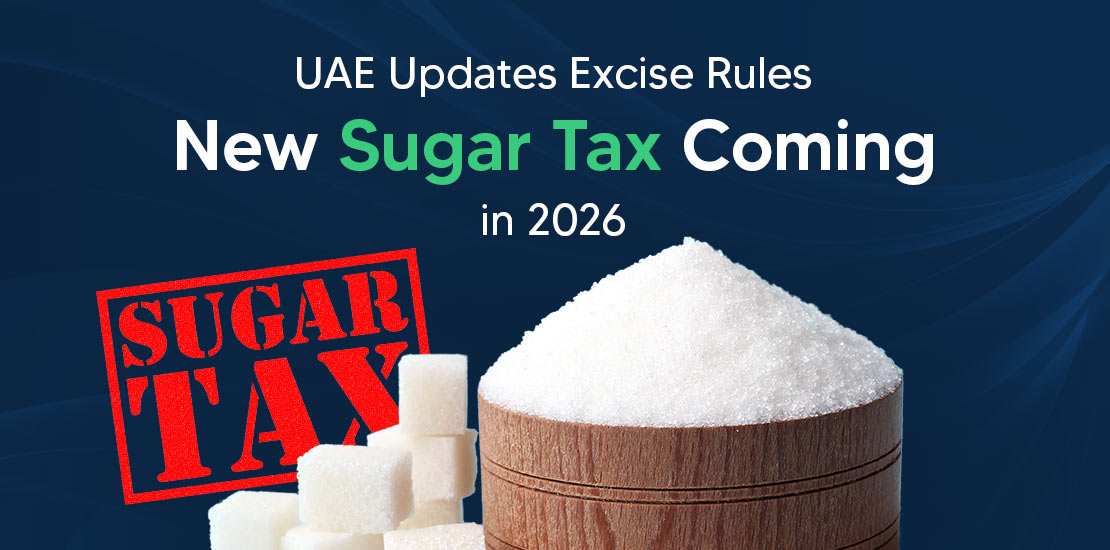
 Saudi Arabia has announced a new excise framework for soft drinks and other sweetened beverages, replacing a long-standing levy that applied a flat 50 per cent tax calculated from retail prices. The Zakat, Tax and Customs Authority said the updated system is designed to better align tax outcomes with sugar content while closing loopholes that had emerged under the earlier model.
The authority outlined that the change represents a full substitution of the previous approach rather than an incremental adjustment. Under the outgoing system, beverages classified as sweetened attracted a fixed rate regardless of sugar concentration, a structure officials said no longer reflected consumption patterns or public-health priorities. The new framework introduces tiered rates linked to sugar thresholds, with higher concentrations facing steeper levies.
Officials framed the move as part of a broader effort to curb excessive sugar intake, reduce diet-related illnesses and support long-term healthcare sustainability. The authority said the revised structure brings the kingdom closer to global best practice, citing international experiences where graduated taxes have influenced reformulation and consumer behaviour.
The tax will apply across a defined category of products, including carbonated soft drinks, energy drinks, flavoured waters and ready-to-drink beverages containing added sugars or sweeteners. Exemptions and reduced rates will be available for products that fall below specified sugar levels, encouraging manufacturers to lower content through reformulation. Dairy-based drinks and juices with no added sugar are treated separately under existing classifications.
Implementation details indicate a transition period to allow producers and importers to adapt labels, pricing and supply chains. ZATCA said compliance guidance has been issued to distributors and retailers, covering registration, reporting and payment timelines. Penalties for misclassification or under-reporting will remain in force under excise regulations.
Industry participants said the shift marks a significant change in how beverage portfolios are priced and marketed. Large multinational producers with reformulation capacity are expected to accelerate changes to sugar levels, while smaller players may face higher adjustment costs. Retailers anticipate price differentiation within categories as brands with lower sugar content gain a competitive edge.
Public-health specialists welcomed the redesign, arguing that a content-based tax provides clearer signals to consumers than a blanket rate. Studies from multiple markets have shown that tiered systems tend to drive reductions in sugar per serving and, over time, lower average intake. Analysts cautioned, however, that the overall impact depends on enforcement, price pass-through and consumer substitution toward untaxed alternatives.
The kingdom has used excise duties as a policy lever since 2017, when taxes were introduced on tobacco and energy drinks, followed by levies on sweetened beverages. Revenue from excise taxes contributes to fiscal diversification while supporting health objectives. Officials stressed that the revised sugar tax balances these goals without imposing undue disruption.
Businesses are now assessing how the new thresholds affect product lines. Some companies have already signalled plans to expand low- or zero-sugar ranges and invest in alternative sweeteners. Others are reviewing packaging sizes and promotional strategies to mitigate price increases. Importers are working with overseas suppliers to ensure formulations meet the new criteria before shipment.
Consumer advocates said transparency will be key, calling for clear labelling and public communication so shoppers understand why prices vary. They also urged monitoring to ensure the tax does not disproportionately affect lower-income households, suggesting complementary measures such as education campaigns and access to healthier options.
Topics
Saudi Arabia