
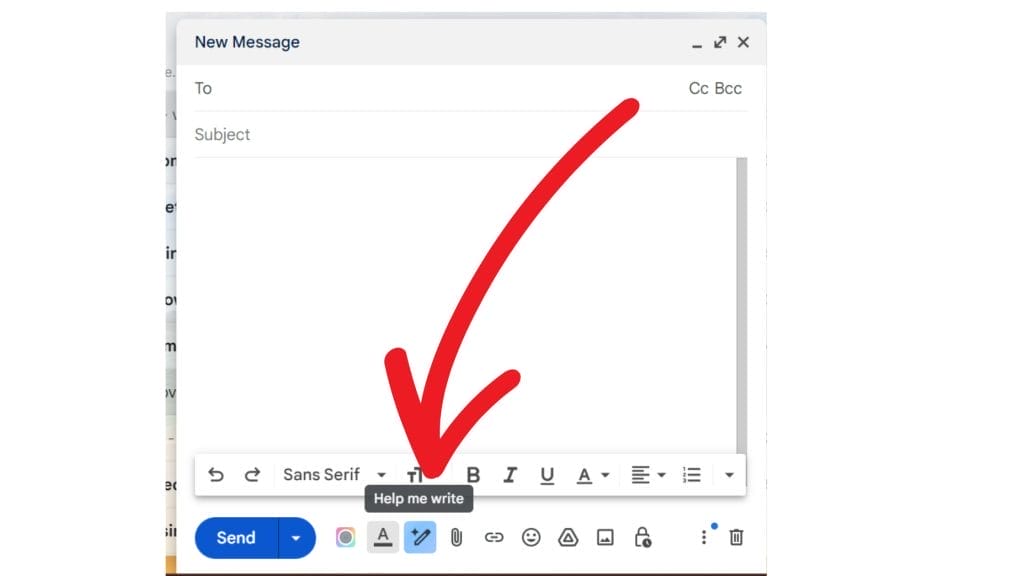
 Google has set out plans to make a suite of advanced artificial intelligence features available at no cost to users of Gmail personal accounts in the United States from early 2026, marking one of the company’s most ambitious steps yet to embed generative AI into everyday consumer services. The move brings functions such as Help Me Write, personalised Suggested Replies and automated email summaries to millions of inboxes, powered by the latest Gemini 3 model.
The decision signals a strategic shift in how Google positions AI across its core products, moving from paid or limited-access experiments to broad deployment. By removing the subscription barrier for key features, the company is betting that productivity gains and deeper engagement will outweigh the costs of running large-scale AI systems. Executives have framed the rollout as an attempt to reduce email overload, a persistent problem for users who juggle professional and personal correspondence across multiple devices.
Help Me Write allows users to generate full drafts or rewrite existing emails using short prompts, adjusting tone or length depending on context. Suggested Replies builds on earlier smart reply tools but is designed to be more conversational and tailored, drawing on the content and style of previous messages. AI-driven summaries aim to condense long email threads into short overviews, helping users grasp decisions and action points without reading every message in full.
Gemini 3 sits at the centre of these tools, representing Google’s most capable consumer-facing language model to date. The company says the model has been trained to handle nuanced instructions, maintain context across long threads and reduce factual errors that have drawn criticism in earlier generations of generative AI. Internally, Gmail has been used as a testing ground for these capabilities over the past year, with gradual expansion from enterprise and paid consumer tiers.
Competition has played a decisive role in accelerating the rollout. Microsoft has woven AI assistants into Outlook and other productivity apps through its Copilot branding, while a growing number of start-ups offer standalone AI email managers promising faster triage and response. By offering comparable tools for free, Google aims to protect Gmail’s dominant market position and discourage users from migrating to rival platforms.
Privacy and data use remain central to the debate. Google has stated that personal emails will not be used to train public-facing AI models and that processing will be governed by existing account controls. Users will be able to turn features on or off, and sensitive categories of information are meant to be excluded from automated suggestions. Even so, digital rights advocates have warned that deeper AI integration increases the risk of unintended data exposure or over-reliance on automated outputs in personal communication.
Industry analysts view the move as part of a broader trend towards AI becoming a default layer rather than an optional add-on. Free access lowers the psychological barrier to experimentation, potentially normalising AI-assisted writing in everyday correspondence. That shift could have knock-on effects for workplace communication norms, with shorter response times and more polished language becoming standard expectations rather than exceptions.
The timing of the launch also reflects advances in infrastructure efficiency. Running large language models at scale has been costly, but improvements in specialised chips and model optimisation have reduced per-user expenses. Google has invested heavily in custom hardware and data centre upgrades to support this transition, positioning itself to absorb the computational load of free consumer access.
Topics
Technology