
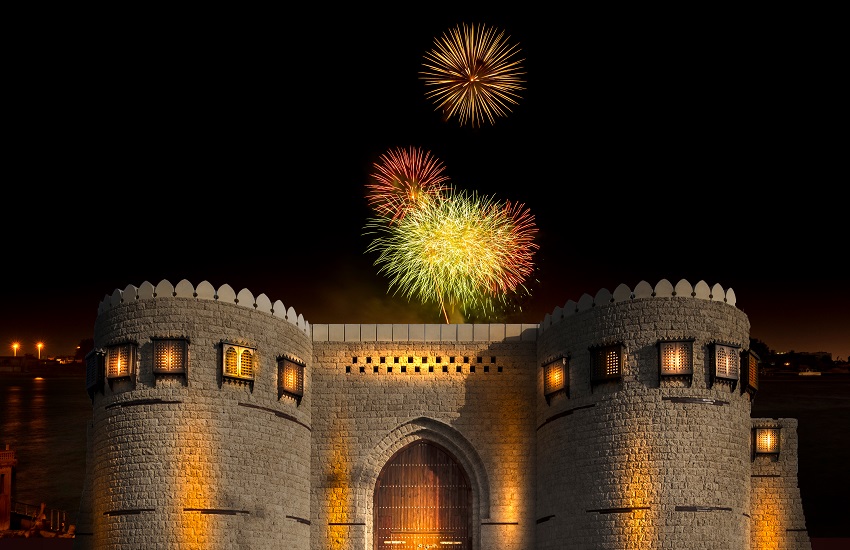
 Jeddah Waterfront has emerged as one of the most visited destinations during Ramadan, attracting families, tourists and residents seeking evening leisure along the Red Sea coast. Authorities report strong footfall throughout the holy month, with the promenade combining recreation, culture and hospitality in a setting that has become central to the city’s seasonal calendar.
Stretching for several kilometres along the shoreline, the waterfront provides a wide pedestrian promenade, cycling paths and open spaces that come alive after iftar. As temperatures moderate at night, visitors gather for walks, light exercise and socialising, with soft illumination enhancing the atmosphere and echoing the reflective tone associated with Ramadan evenings.
Municipal officials in Jeddah say the waterfront’s design has played a key role in its appeal. The development forms part of broader urban regeneration projects under Saudi Arabia’s Vision 2030 programme, which aims to expand domestic tourism and diversify the economy beyond hydrocarbons. Over the past few years, investment in public spaces, entertainment infrastructure and hospitality has accelerated across major cities, with Jeddah positioned as a gateway to the Red Sea.
The waterfront’s cultural features have also drawn attention. International art installations are displayed along the coast, including sculptures by artists such as Henry Moore and Joan Miró. These works, integrated into landscaped surroundings, provide a distinctive backdrop for visitors and reinforce Jeddah’s longstanding reputation as a centre for public art in the region. The city has previously hosted large-scale art initiatives that transformed its corniche into an open-air gallery.
Restaurants and cafés lining the promenade have reported brisk business during Ramadan evenings, particularly after taraweeh prayers. Hospitality operators describe extended opening hours and themed menus designed to cater to families breaking their fast or gathering later in the night. Retail kiosks and food trucks have also expanded their offerings, contributing to a festive yet orderly atmosphere.
Tourism officials note that domestic travel during Ramadan has grown steadily as infrastructure and event programming improve. Jeddah’s coastal location gives it a competitive advantage, especially as the Red Sea breeze offers relief during late-night outings. Enhanced security arrangements, parking facilities and transport links have further supported the influx of visitors.
The waterfront’s sports facilities are another draw. Dedicated tracks for walking and cycling, fitness stations and open areas for group activities encourage healthy routines during the month. Community groups have organised informal runs and charity events after sunset, aligning with the charitable spirit associated with Ramadan.
Economic analysts observe that such public destinations serve a dual function. Beyond leisure, they contribute to small business growth and job creation in hospitality, retail and event management. Seasonal surges in visitors translate into higher occupancy rates for nearby hotels and serviced apartments, particularly as religious pilgrims travelling to Makkah often extend their stay to include coastal visits.
Urban planners highlight the importance of integrated coastal management in sustaining the waterfront’s popularity. Maintenance of green spaces, waste management and crowd control remain critical during peak evenings. City authorities have increased staffing and deployed monitoring systems to ensure smooth operations and safety.
Families interviewed along the promenade describe the setting as accessible and inclusive. Children play in designated areas while adults stroll or sit facing the sea. The absence of entry fees makes the waterfront an attractive option compared with private entertainment venues. For many residents, it has become a tradition to spend at least one evening a week there during Ramadan.
Jeddah’s broader tourism strategy emphasises cultural depth alongside leisure. Heritage districts such as Al-Balad, a UNESCO-listed site, complement modern developments by offering historical context and architectural character. The coexistence of restored coral-stone houses and contemporary seafront infrastructure illustrates the city’s evolving identity.
Hospitality sector executives point to rising international interest in the Red Sea corridor, supported by new resort projects and cruise itineraries. While large-scale luxury destinations are under development further north, Jeddah’s urban waterfront remains a readily accessible attraction embedded within daily life.
Data from the Ministry of Tourism over the past few years indicate sustained growth in domestic visitor numbers during religious seasons, reflecting shifts in consumer behaviour. Improved event scheduling, digital promotion and private sector partnerships have strengthened city branding efforts.
Topics
Spotlight