
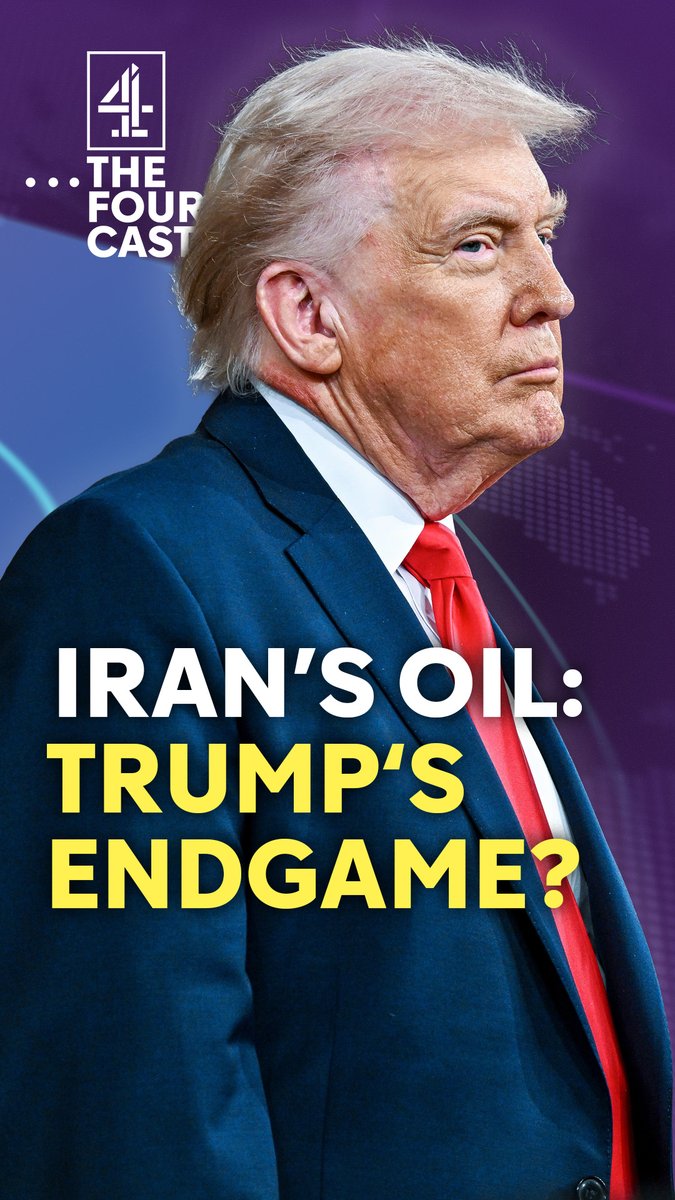
 Donald Trump said the war in Iran was approaching its final phase, telling Americans in a televised White House address that U. S. military aims were “very close” to being completed, even as he warned of heavier strikes over the next two to three weeks and offered no clear blueprint for ending a conflict that has shaken oil markets, dented his approval ratings and raised fears of wider regional instability.
 Trump’s remarks were designed to steady public opinion after more than a month of war that began on February 28, when the United States and Israel launched coordinated strikes on Iran. Instead, the speech appeared to deepen uncertainty. He said Washington was on track to finish its military objectives “shortly” but paired that claim with threats to intensify attacks and potentially hit Iran’s energy infrastructure if Tehran did not yield in any negotiations.
Markets registered that ambiguity almost immediately. Brent crude jumped about 6% to above $107 a barrel after the speech, while stock futures in the United States and Europe fell and Asian markets turned lower. Investors had been looking for a firmer signal that the conflict might be winding down, especially after earlier talk from Trump and his advisers suggested the campaign was nearing its endpoint. Instead, traders were left with the prospect of more force, no settled ceasefire framework and no answer on when the Strait of Hormuz might fully reopen.
That gap between military rhetoric and political reassurance is becoming central to the story. Reuters/Ipsos polling published this week found that 66% of Americans want U. S. involvement ended quickly, even if Washington does not achieve all of its stated aims. Another Reuters/Ipsos survey showed 60% disapproved of the strikes on Iran, while Trump’s overall job approval had slid to 36%, with rising petrol prices hurting confidence in his handling of the economy and cost of living. Gasoline moved above $4 a gallon this week for the first time in more than three years, bringing the war’s economic toll directly into American households.
Trump sought to frame the campaign as a near-victory rather than an open-ended war. He said Iran had been “essentially decimated”, argued its military and nuclear capabilities had been severely damaged and insisted the administration was close to finishing what it set out to do. Yet the address stopped short of defining the political end state. It did not set out what form of settlement would be acceptable, whether any direct talks were active, or what conditions would trigger a U. S. drawdown beyond vague references to American objectives being met.
Tehran pushed back hard. Iran denied Trump’s claim that it had requested a ceasefire, calling those statements false and baseless. Iranian military officials also warned of broader and more destructive retaliation, underlining that however damaged the country may be, it still has the capacity to impose costs across the region through missile strikes, proxy networks and maritime disruption. That leaves Trump trying to sell imminent success while the other side signals that the war remains active and that pressure points remain intact.
The strategic problem for Washington is that battlefield damage does not automatically deliver political closure. Iran’s partial chokehold on the Strait of Hormuz, through which about a fifth of global oil and liquefied natural gas passes, has become the conflict’s most potent lever. Even without a formal blockade recognised by all parties, the war has curbed shipping flows, driven up insurance costs and amplified inflation fears well beyond the Gulf. Allied governments and energy importers are now watching not only what Trump says about military progress, but whether any durable arrangement can secure maritime traffic and calm prices.
Military activity on Thursday showed how fragile the situation remains. Israeli forces reported more missiles launched from Iran, Saudi Arabia said it intercepted four drones, and Abu Dhabi said air defences brought down a missile near an economic zone with minor damage. The U. S. embassy in Baghdad urged Americans to leave Iraq, citing the risk of militia attacks in the capital within 24 to 48 hours. Those developments pointed to a conflict that may be entering a new phase, but not yet a settled one.
Topics
Spotlight