
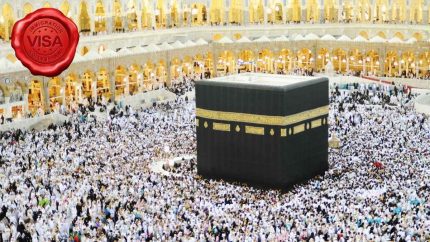
 Saudi Arabia has begun issuing electronic entry permits for Makkah ahead of Haj 2026, moving a key layer of pilgrimage access control fully online as authorities tighten rules for residents, seasonal workers and other eligible categories entering the holy city. Applications are being accepted through the Absher Individuals platform and the Muqeem portal, removing the need for applicants to visit passport offices in person.
 The rollout comes as the Ministry of Interior’s wider Haj season arrangements took effect on Monday, April 13, 2026. Under those rules, residents wishing to enter Makkah must hold official authorisation, and those without valid permits can be turned back. The categories allowed to enter include people with a residency permit issued in Makkah, a Haj permit, or a work permit for the holy sites. The electronic permit channel is aimed chiefly at those who need to enter for work linked to the pilgrimage season rather than for general travel.
Saudi authorities have framed the move as both an administrative and security measure. Haj is one of the world’s largest annual religious gatherings, and crowd management in Makkah and the surrounding holy sites has long depended on strict control of who may enter, where they can move and when. By linking applications to digital platforms already widely used in the Kingdom, officials appear to be seeking faster approvals, fewer bottlenecks at passport offices and better real-time verification for checkpoints and enforcement teams operating around the city.
The permit system is not open through a single route for everyone. Absher Individuals is being used for Gulf Cooperation Council citizens, Premium Residency holders, investors, mothers of Saudi citizens, domestic workers and non-Saudi family members. The Muqeem portal is reserved for employees of Makkah-based establishments and people contracted to work with those establishments during the Haj season. Saudi reporting also says the processing is technically integrated with Tasreeh, the unified digital platform for issuing Haj permits, showing how the government is drawing multiple databases and permit channels into one broader compliance system.
The digital permits are only one part of a broader clampdown now under way before the pilgrimage. Saudi authorities have set Saturday, April 18, 2026, as the final date for Umrah visa holders to leave the Kingdom. From the same date, issuance of Umrah permits through the Nusuk platform will be suspended until May 31 for citizens, GCC nationals, residents and other visa holders. From April 18, entry into or stay in Makkah will also be barred for visa holders who do not have a valid Haj visa, with officials warning that violations will bring legal penalties.
That matters because Saudi Arabia has spent the past several years expanding religious travel through digital services, including online booking, permit management and package selection via Nusuk and other state platforms. The same digital push that has made pilgrimage logistics easier for many users is now being used to impose sharper segmentation between Umrah travel, domestic Haj participation, authorised work and prohibited entry. In policy terms, the permit decision reflects a broader Saudi pattern: opening access through technology while narrowing physical access on the ground to those whose documents can be checked instantly.
Operationally, the benefits are clear. Electronic processing should reduce queues, limit paperwork and make it easier for employers and residents to secure approval without travel to administrative offices. For enforcement agencies, a digitised system linked to a unified permit platform could improve screening at entry points and reduce the flow of unauthorised visitors into Makkah during the most sensitive phase of Haj preparations. It also gives authorities a clearer audit trail over who has applied, who has been approved and which category of access each person has received.
Topics
Saudi Arabia