
 Jazan Municipality has set out 28 development projects for the Farasan Islands, with completed and ongoing works together valued at SR546 million, in a push to strengthen housing, tourism and municipal infrastructure across one of the Red Sea’s best-known island groups. The municipality said 19 projects worth SR398 million have been completed, while nine more are under implementation.
 The programme spans municipal, investment and housing schemes. Completed works include 14 municipal projects worth SR48 million, two investment projects costing SR70 million, including Farasan Hotel, and three housing projects valued at SR280 million. Among schemes still being executed are Al-Hareed Resort, budgeted at SR40 million, and a developmental housing project that includes 92 residential units. One municipality-backed report carries an internal inconsistency over the exact value of the nine projects under way, but the overall package value of SR546 million and the split between 19 completed and nine ongoing projects matches across coverage.
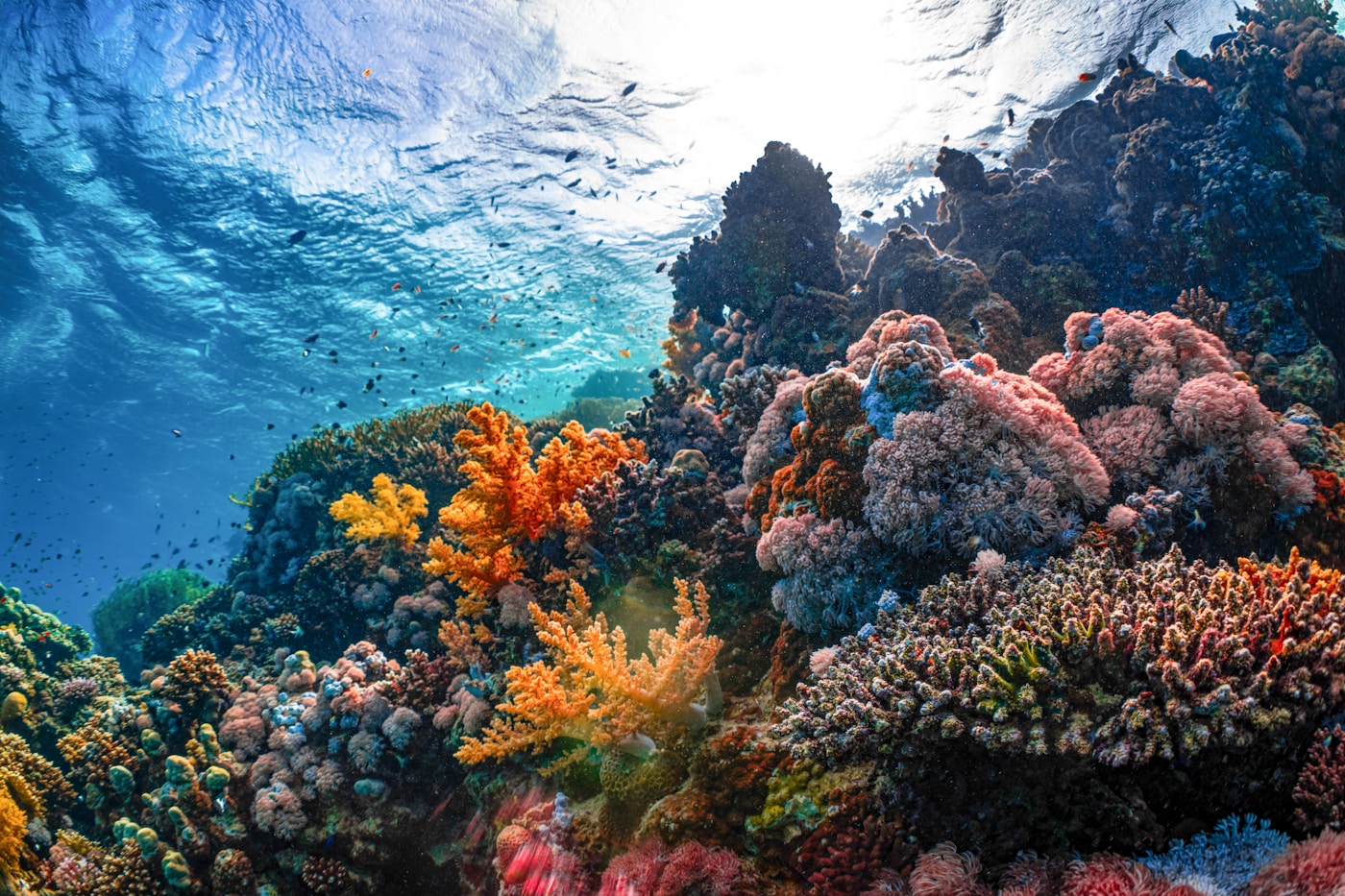
Farasan’s importance to planners lies in its dual role as a community with housing and service needs, and as a tourism and investment destination with national visibility. The islands sit about 40 km off the Jazan coast in the Red Sea and are known for sandy beaches, coral environments, mangroves and heritage sites. Earlier development disclosures showed the municipality pairing basic infrastructure with residential expansion, including road paving, sanitation, city operations, three residential plans covering 1,711 plots and a housing scheme centred on 92 units.
That longer trajectory matters because the latest announcement appears to build on a widening pipeline rather than a one-off project release. In April 2025, the municipality said Farasan had 20 completed and ongoing projects worth SR423 million. The new tally of 28 projects worth SR546 million suggests both an increase in the number of schemes and a higher capital commitment over the past year, indicating that Farasan remains firmly embedded in the region’s development strategy.
Officials are framing the investment as part of a broader attempt to raise Farasan’s profile among visitors and investors. Municipal statements say the works are intended to improve infrastructure, create jobs and support the local economy while making the islands more attractive to domestic and international capital. That pitch reflects a wider policy pattern across Saudi Arabia, where tourism, housing and place-based investment are being tied together under Vision 2030.
The timing also aligns with stronger tourism indicators in the wider Jazan region. Saudi Press Agency reported this month that tourist accommodation facilities in Jazan rose from 32 in 2020 to 323 by the first quarter of 2026, marking roughly tenfold growth. That expansion helps explain why authorities are putting greater emphasis on destination infrastructure, lodging capacity and visitor-facing amenities in areas such as Farasan, which already draws more than 150,000 visitors a year according to official Saudi reporting.
Farasan’s appeal, however, is not purely commercial. The islands occupy an environmentally sensitive zone with reefs, wetlands, wildlife habitats and heritage assets that give the archipelago its identity. In December 2025, the Farasan Islands Reserve became the first Saudi marine reserve registered under the Ramsar Convention on Wetlands of International Importance, a designation that raised the profile of its ecological value. That status can reinforce tourism interest, but it also raises the bar for how development is executed.
This leaves the municipality balancing several objectives at once: expanding housing supply, upgrading services, drawing private investment and preserving the features that make Farasan distinctive. Resort projects, hotels and industrial or residential sites can support employment and diversify the local economy, but the islands’ environmental standing means poorly managed growth would carry reputational and practical risks. Coastal and island studies have also underlined the vulnerability of Farasan’s shoreline environment, pointing to the need for careful management as activity intensifies.
Topics
Spotlight