
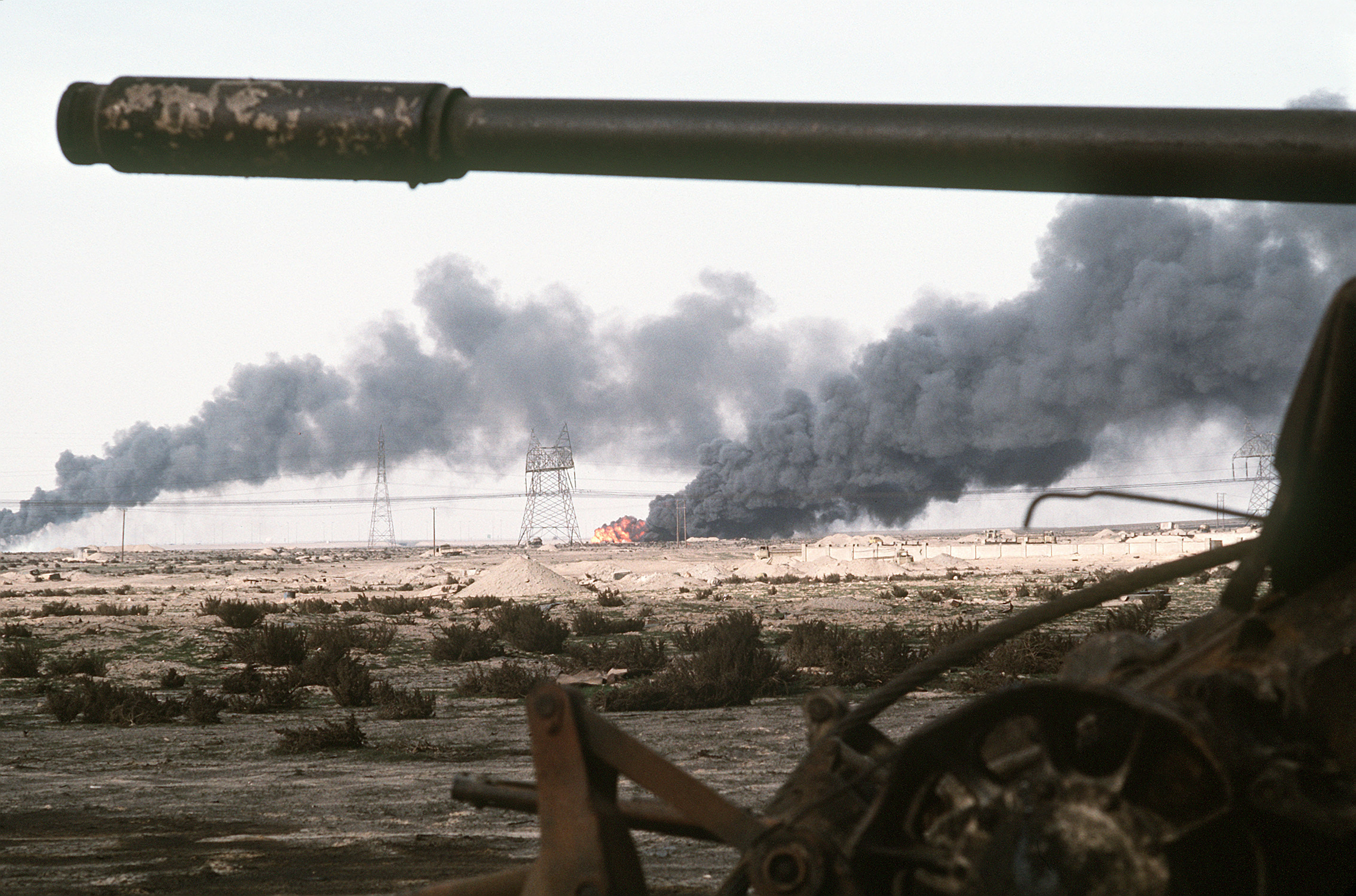
 Flames tore through Kuwait Petroleum Corporation’s headquarters early on Sunday after a drone strike hit the Shuwaikh oil sector complex in Kuwait City, widening the spillover from the confrontation involving Iran and rattling one of the Gulf’s most strategically important energy producers. Kuwaiti authorities said the complex, which also houses the oil ministry, was evacuated and no injuries were reported.
 The attack marked the latest blow to Kuwait’s energy and government infrastructure over several days. Reuters reported that Kuwaiti state media, citing the finance ministry, also said an Iranian drone hit an office complex for government ministries, causing significant material damage but no casualties. Separate reports said two power and desalination facilities were struck as Kuwait moved to contain fires and assess damage across multiple sites.
Kuwait Petroleum Corporation said the fire broke out after the drone attack at the Shuwaikh complex, underscoring how the country’s administrative oil hub has become exposed in a conflict that had already unsettled production, shipping and utilities across the wider Gulf. Bloomberg separately reported that the company’s headquarters had caught fire after being struck by unmanned aircraft in what it described as the latest Iranian attack on Tehran’s Gulf neighbours.
Coming after strikes on other Kuwaiti assets, the hit on Shuwaikh deepens concern about the vulnerability of fixed energy infrastructure in a state whose economy remains heavily tied to crude exports. Reuters reported on April 1 that Kuwaiti authorities had extinguished a fire in airport fuel tanks after a drone strike attributed to Iran. On April 3, Reuters also reported fires at the Mina al-Ahmadi refinery after drones hit the site, again without reported injuries. The sequence suggests a widening campaign against logistics, refining and administrative nodes rather than a single isolated incident.
For oil markets, the symbolism is as important as the immediate physical damage. Kuwait is not only a major OPEC producer but also a critical supplier positioned along trade routes already under strain from conflict and shipping disruption. Wider turmoil linked to the war has driven a sharp repricing in energy markets. Reuters reported late in March that Brent crude had been surging amid fears over Middle East supply, while other coverage described prices moving above $110 a barrel as the Strait of Hormuz and regional infrastructure came under mounting pressure.
The strike also carries a political message. Until now, Kuwait had largely been viewed as a Gulf state trying to navigate a dangerous regional escalation without becoming the central theatre of attack. Hitting the building that houses both KPC leadership and the oil ministry pushes the crisis into the heart of the state’s energy command structure. Even without fatalities, such a strike tests crisis management, civil defence capacity and investor confidence at once.
The broader regional backdrop is grim. Associated Press and other outlets described a fast-worsening confrontation involving the United States, Israel and Iran, with military incidents multiplying across several theatres and global commodity markets reacting sharply. Within that environment, Kuwaiti infrastructure has emerged as one of several vulnerable targets, alongside facilities in Iraq and maritime assets linked to Gulf energy flows. Reuters reported a drone strike on storage facilities used by foreign oil companies in Basra on Saturday, reinforcing the sense that energy sites across the region are now operating under extraordinary risk.
No official casualty toll was reported from the Shuwaikh strike, and that has offered Kuwait some relief amid the damage. Yet the absence of deaths does not lessen the strategic significance. Headquarters buildings are repositories of decision-making, communications and co-ordination, and attacks on them can disrupt governance even when output facilities remain intact. The same applies to desalination and power sites in a desert state where water and electricity are inseparable from public order and industrial continuity.
Topics
Kuwait