
 Gulf Cooperation Council Secretary-General Jasem Mohamed Albudaiwi has urged the United Nations Security Council to act for an immediate halt to what he called Iranian missile and drone attacks on Gulf states, sharpening the bloc’s appeal for international protection of regional security and maritime trade routes at a moment of widening instability across the Gulf. Speaking at the Council in New York, Albudaiwi said GCC states had been under attack since 28 February and called for measures to secure waterways, guarantee safe navigation and ensure Gulf states are included in any future arrangements involving Tehran.
 His intervention places the GCC more squarely at the centre of the diplomatic response to a conflict that has already spilled far beyond bilateral confrontation. Albudaiwi said the bloc was not seeking a broader war, but insisted that continued escalation by Iran had crossed “all red lines”, citing attacks with ballistic missiles and armed drones, the disruption of shipping in the Strait of Hormuz and the mounting threat to energy infrastructure and civilian safety across the region. He also repeated a message the GCC has tried to project for years: that it sees itself not as a driver of confrontation, but as a regional actor anchored in dialogue, mediation and collective security.
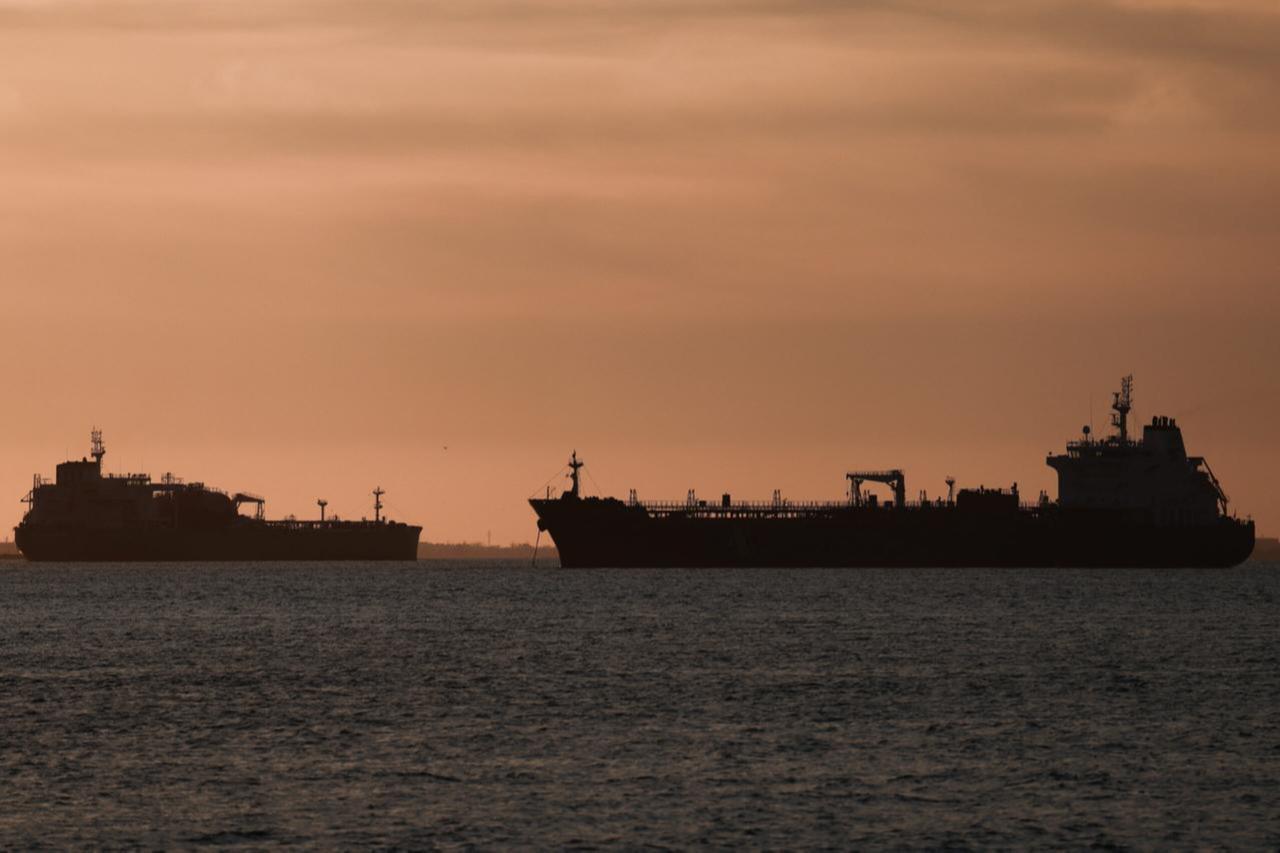
That diplomatic positioning is colliding with hard security realities. Bahrain, which currently chairs the Security Council, has circulated a draft resolution aimed at protecting commercial shipping in and around the Strait of Hormuz after the waterway’s effective closure sent energy markets sharply higher. The text initially sought broader authority, but was revised after objections from China, Russia and France. The latest version authorises defensive, rather than offensive, action by states or multinational naval partnerships to safeguard passage, with prior notification to the Council. A vote expected this week was pushed back to allow further negotiations and to reduce the risk of a veto.
The delay underlines the central diplomatic tension now facing Gulf states. They want firmer international backing against attacks and against restrictions on navigation, yet major powers remain divided over how far the UN should go in endorsing protective force. China has warned that authorising force would legitimise unlawful escalation, while Russia has argued that the real answer lies in ending the wider hostilities. France has signalled greater comfort with language focused narrowly on defence. That leaves Gulf capitals seeking a resolution strong enough to deter further disruption, but restrained enough to survive the Council chamber.
For the GCC, the stakes go well beyond symbolism. Albudaiwi told the Council that the six-member bloc produced about 16 million barrels of crude a day in 2024, accounting for 22 per cent of global output, while holding roughly one-third of the world’s oil reserves. He said higher shipping and maritime insurance costs were already feeding through to the wider economy, warning that Gulf stability had become an international necessity rather than a purely regional concern. That argument has also been echoed beyond the bloc. Egypt’s President Abdel Fattah al-Sisi warned this week that fears of oil moving above $200 a barrel were not exaggerated if the war and supply disruptions were allowed to deepen.
Events on the ground have reinforced that sense of urgency. Reuters and AP reporting over the past two days has described Iranian strikes or claimed Iranian operations affecting Kuwait, Bahrain, the UAE and other Gulf locations, including attacks on energy and utility infrastructure and renewed aerial threats intercepted by regional air defences. Britain said on Friday it would deploy its Rapid Sentry air defence system to Kuwait after a drone strike on a refinery, while Gulf governments and their allies continued discussions over how to shield shipping and critical installations without opening a wider military front.
Albudaiwi’s speech also carried a broader political message. He pointed to the GCC’s role in mediation efforts tied to Gaza, Yemen, Lebanon and Syria, praised Oman’s channel with the United States and Iran, and said the bloc remained open to normal relations with Tehran if core security concerns were addressed transparently. That formulation suggests the GCC is trying to preserve diplomatic off-ramps even while demanding a tougher international response. It reflects a familiar Gulf calculation: deterrence and diplomacy are not opposing tracks, but parallel ones.
Whether that balance holds will depend heavily on what happens at the Security Council and on the water. Albudaiwi described the moment as a test of the credibility of the international system, arguing that the Gulf must remain a zone of stability rather than an arena for conflict. For now, the bloc is asking the UN to prove that collective security still means something when the world’s most strategically important energy corridor is under strain and Gulf states themselves are taking fire.
Topics
Live News