
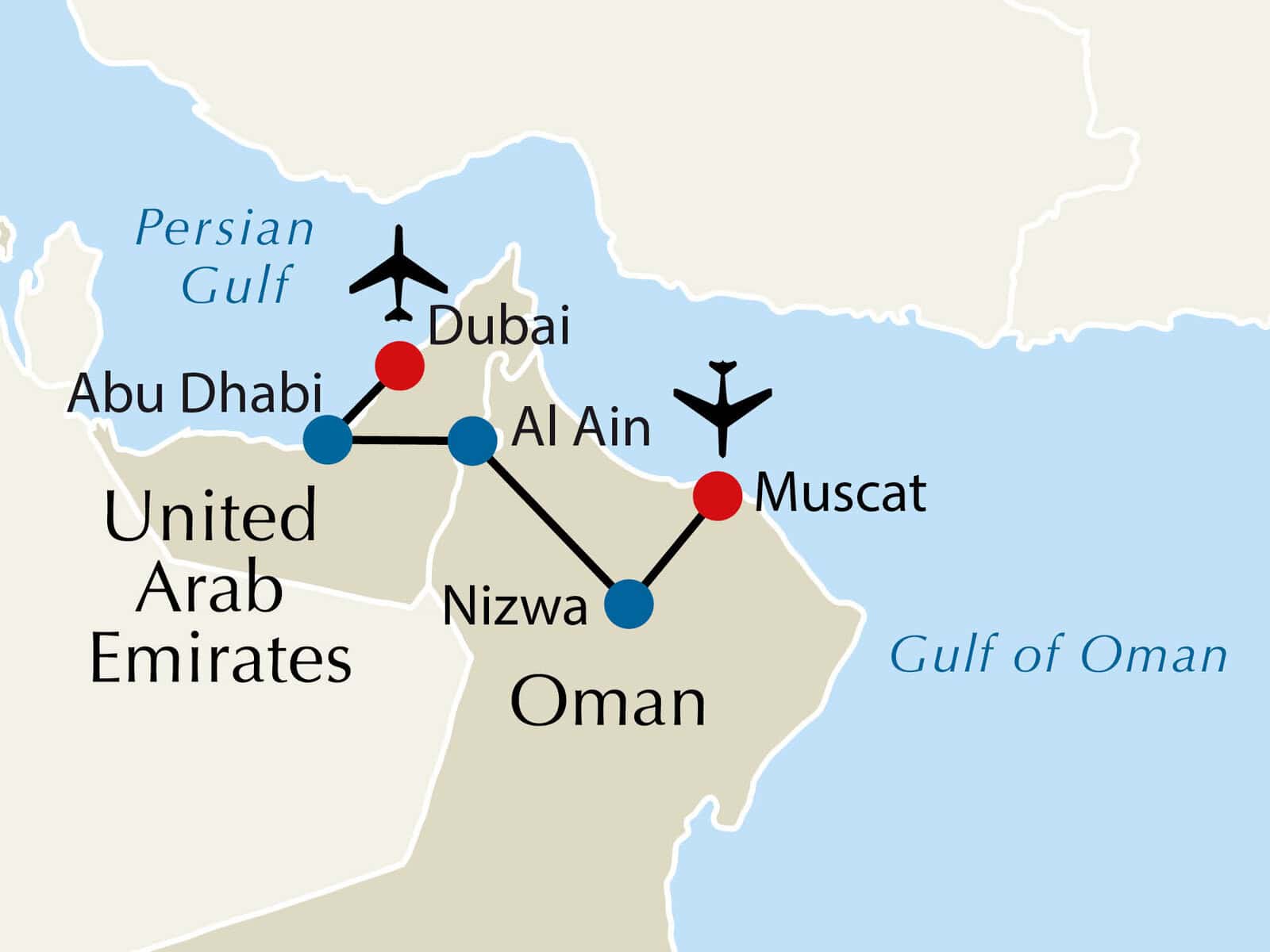
 A dedicated green corridor linking Oman and Dubai has been activated to accelerate cargo movement across sea and air routes, marking a new phase in efforts to streamline trade flows between the two economies.
Dubai Customs confirmed that the corridor enables faster clearance of shipments moving between ports in the Sultanate of Oman and facilities in Dubai, reducing processing times and administrative bottlenecks. The initiative is being implemented in coordination with Omani authorities and logistics stakeholders, with a focus on facilitating high-volume trade and improving supply chain efficiency.
Officials said the corridor is designed to provide pre-arrival processing, risk-based inspection, and simplified documentation procedures. Cargo transported under the framework is expected to benefit from reduced waiting times at entry points, with authorities aiming to minimise duplication of inspections and enhance coordination between customs systems.
The move comes amid sustained growth in trade between the UAE and Oman, driven by shared logistics networks, industrial partnerships and re-export activity through Dubai’s ports. Bilateral trade has expanded steadily, supported by cross-border infrastructure and regulatory alignment, positioning both markets as critical nodes in regional supply chains.
Dubai Customs indicated that the corridor applies to selected categories of goods initially, with plans to expand coverage based on performance and demand. Air cargo shipments are expected to benefit from synchronised clearance processes between airports, while sea cargo will see streamlined procedures across maritime terminals.
Industry participants say the initiative could have a measurable impact on transit times, particularly for time-sensitive goods such as perishables, pharmaceuticals and high-value electronics. Logistics operators note that reducing clearance delays can lower costs and improve predictability, factors that are increasingly important as supply chains adapt to shifting global trade patterns.
A senior customs official involved in the project described the corridor as part of a broader strategy to strengthen economic integration and enhance competitiveness. The official said digitalisation and data sharing between authorities were central to the system, allowing shipments to be processed more efficiently while maintaining compliance and security standards.
Oman’s ports, including Sohar and Duqm, have been expanding capacity and attracting industrial investment, while Dubai continues to serve as a major re-export hub connecting Asia, Africa and Europe. The corridor is expected to reinforce these complementary roles by enabling smoother movement of goods between production centres and distribution networks.
Trade analysts view the development as aligned with wider efforts across the Gulf to modernise customs frameworks and adopt advanced logistics solutions. Governments in the region have been investing in smart ports, automated clearance systems and integrated trade platforms to handle rising cargo volumes and reduce friction in cross-border trade.
At the same time, the success of such corridors depends on consistent implementation and coordination between agencies. Experts point out that harmonising regulations, ensuring interoperability of digital systems and maintaining transparency for businesses will be key to sustaining the benefits of the initiative.
Businesses engaged in manufacturing, retail and e-commerce are likely to be among the primary beneficiaries, given their reliance on efficient logistics networks. Faster cargo movement can help companies manage inventory more effectively and respond to market demand with greater agility.
The corridor also reflects a broader push to enhance resilience in supply chains following disruptions seen in global shipping and logistics. By creating dedicated channels for trade, authorities aim to reduce exposure to delays and improve the reliability of cross-border operations.
Officials indicated that performance metrics will be closely monitored, including clearance times, cargo volumes and compliance rates. Feedback from businesses and logistics providers is expected to inform adjustments and potential expansion of the programme.
Topics
Spotlight