
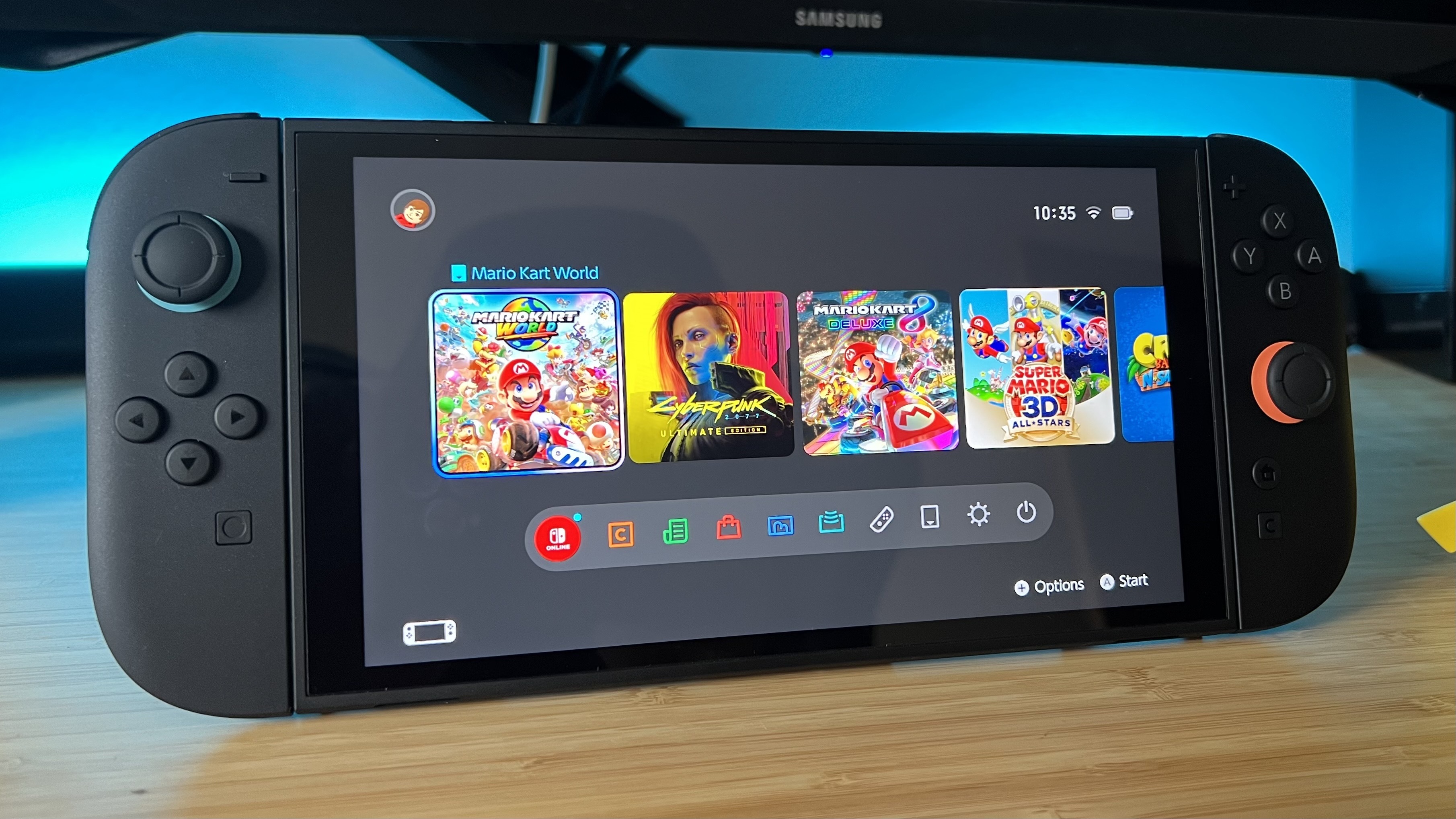
 Nintendo is said to be scaling back production plans for its next-generation Switch console after softer-than-expected holiday demand, with the United States cited as a key area of weakness.
Industry chatter around the so-called Switch 2 suggests the company had initially prepared for a strong upgrade cycle, banking on sustained momentum from the original Switch platform, which has sold more than 130 million units worldwide. However, muted consumer spending over the holiday season and growing competition in the handheld and hybrid gaming space appear to have forced a recalibration of expectations.
People familiar with the matter indicate that Nintendo has revised manufacturing targets downward for the upcoming fiscal period, opting for a more cautious rollout strategy. The adjustment reflects a broader shift in the gaming industry, where post-pandemic demand has cooled and hardware makers are facing more price-sensitive consumers.
The United States, historically one of Nintendo’s most reliable markets, has emerged as a focal point in the reassessment. Retail data and channel checks point to slower sell-through rates for existing Switch models during the critical year-end shopping period. Analysts attribute this to a combination of factors, including inflationary pressures, a lack of major first-party releases timed for the holidays, and increasing competition from rival platforms.
Sony and Microsoft have continued to push their PlayStation 5 and Xbox Series consoles with aggressive promotions and subscription offerings, while handheld gaming has seen renewed interest through devices such as Valve’s Steam Deck and a growing ecosystem of PC-based portable systems. This has eroded some of Nintendo’s traditional advantage in the hybrid console segment.
Nintendo’s strategy for its successor hardware had been expected to build on the hybrid design that allowed users to switch seamlessly between handheld and docked play. Reports suggest the new system will feature improved processing power, enhanced graphics capabilities, and backward compatibility with existing Switch titles, a key consideration for retaining its large installed user base.
Yet, the company faces a delicate balancing act. Overproducing hardware in a weakening demand environment risks inventory build-up and margin pressure, while underproduction could constrain availability if demand rebounds following launch. The decision to trim output signals a preference for supply discipline, a strategy that has historically helped Nintendo avoid the steep discounting cycles seen by competitors.
Market analysts note that Nintendo’s conservative approach is consistent with its broader corporate philosophy. “Nintendo tends to prioritise profitability and controlled growth over aggressive volume expansion,” said one Tokyo-based gaming analyst. “Scaling back early allows them to maintain pricing power and manage risk more effectively.”
The timing of the next console launch remains a subject of speculation, though industry observers widely expect an announcement within the current financial year. Delays in unveiling new hardware can have a ripple effect across the company’s software pipeline, as developers typically align major releases with new platforms to maximise impact.
Software remains a cornerstone of Nintendo’s business model, with franchises such as Mario, Zelda and Pokémon continuing to drive engagement and revenue. However, the absence of a blockbuster title during the holiday season may have contributed to weaker hardware demand, underscoring the importance of synchronising hardware launches with compelling content.
Global economic conditions have also played a role. Consumer electronics spending has come under pressure as households adjust to higher borrowing costs and persistent inflation in key markets. Gaming, while resilient compared to some discretionary categories, is not immune to these trends.
At the same time, the industry is undergoing structural changes. Subscription services, digital distribution, and cloud gaming are reshaping how players access content, potentially reducing the urgency to upgrade hardware. Nintendo has traditionally been less reliant on subscription models than its competitors, though it has expanded its online services in recent years.
Topics
Gaming