
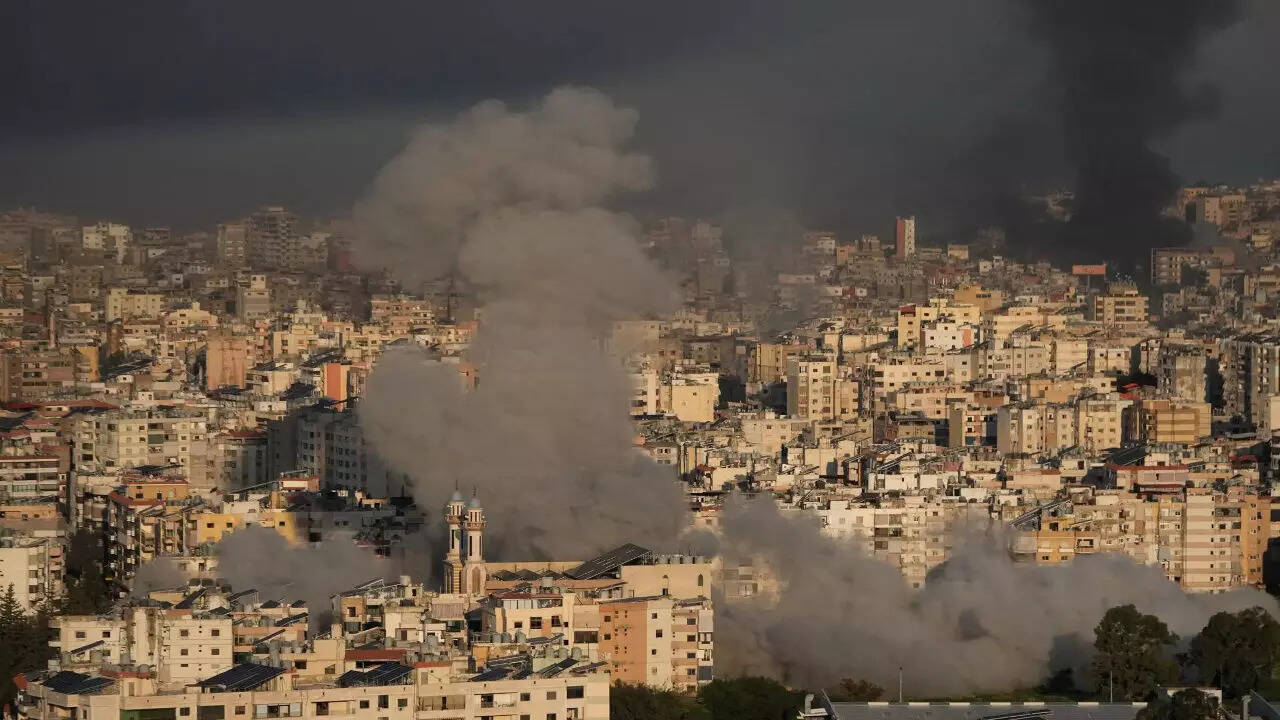
 A drone strike set a fully loaded Kuwaiti crude tanker ablaze off Dubai early on Tuesday, intensifying pressure on Gulf shipping lanes and pushing oil higher as markets weighed the risk of a wider assault on energy flows through the region. Authorities said the fire aboard the Al Salmi was extinguished, no injuries were reported among the 24 crew, and emergency teams were assessing the vessel after damage to its hull raised fears of a spill.
 Kuwait Petroleum Corporation said the tanker was hit while anchored at Dubai port’s anchorage area in the United Arab Emirates. The company said the strike caused the blaze and structural damage, while Dubai authorities said maritime firefighting teams brought the fire under control after what they described as a drone attack. Officials said all crew members were safe. Iranian officials did not immediately comment, and no group had formally claimed responsibility at the time the reports were published.
Shipping data cited by market trackers showed the Al Salmi was carrying about 2 million barrels of crude from Kuwait and Saudi Arabia and was bound for Qingdao in China. That detail sharpened concern in oil and shipping markets because the vessel was not a marginal cargo but a large export movement tied directly to Gulf supply routes. The attack came as merchant shipping in the Gulf and Strait of Hormuz was already under exceptional strain after weeks of missile, drone and projectile incidents linked to the expanding confrontation involving Iran, the United States and Israel.
Crude prices reacted sharply. Brent rose above $115 a barrel in early trade after news of the strike before surrendering some gains as traders absorbed separate reports that Washington might be prepared to halt military operations even if the Strait of Hormuz remained largely closed for now. Reuters reported that Brent’s monthly rise for March was on course to be the biggest on record, underscoring how quickly geopolitical risk has been repriced into energy markets. Analysts said price swings reflected a split between hopes of de-escalation and the practical reality that shipping disruptions would continue even under a looser military posture.
The location of the strike is as important as the cargo. A hit on a laden tanker near Dubai sends a message that vessels waiting at anchorage, not only ships in open transit, are exposed. That widens the risk map for insurers, charterers and refiners. It also deepens anxiety among Gulf producers that the conflict is moving closer to commercial infrastructure that underpins the region’s role as the world’s most important oil-exporting hub. Officials have so far said there was no confirmed leak, but even the possibility of one in such congested waters is enough to trigger environmental and logistical alarm.
Tuesday’s attack did not occur in isolation. Reuters reported that a Greek-owned container ship off Saudi Arabia’s Ras Tanura also reported two projectiles hitting the water nearby on Monday, though the crew was unharmed. Maritime security specialists have been warning for weeks that the operating environment in the Gulf is deteriorating from targeted harassment into a sustained campaign against merchant traffic. Each new incident increases the probability of miscalculation, delayed sailings, higher freight costs and tighter regional energy balances.
For Gulf governments, the episode presents a layered challenge. There is the immediate safety issue of securing ships, ports and anchorages; the commercial question of maintaining exports without prohibitive insurance costs; and the diplomatic task of preventing the conflict from pulling more regional actors into direct confrontation. Saudi crude shipments have already been rerouted in greater volumes through the Red Sea port of Yanbu, according to Kpler data cited by Reuters, a sign that exporters are adjusting around chokepoint risk even where alternatives are imperfect. That workaround, however, carries its own vulnerabilities, particularly as threats around the Bab el-Mandeb corridor remain active.
Topics
World