
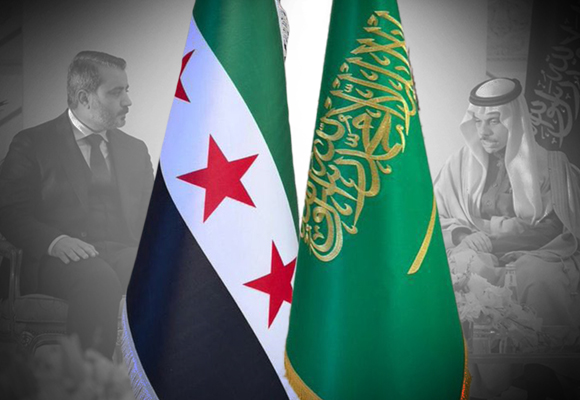
 Saudi companies and Syrian government bodies have signed a package of development agreements designed to restart large-scale investment and rebuild trade channels between the two countries, signalling a shift from political re-engagement to practical economic cooperation.
The agreements, concluded during high-level meetings between officials and business leaders, cover priority sectors including energy, infrastructure, logistics, construction, agriculture and digital services. Officials from both sides said the arrangements are intended to mobilise private capital, restore basic services and create jobs in Syria, while opening new markets for Saudi firms seeking regional expansion.
Saudi participation centres on leading groups with experience in power generation, engineering, ports, real estate development and industrial services. Syrian counterparts include line ministries, public agencies and state-linked enterprises tasked with reconstruction and service delivery. While most of the accords take the form of memoranda of understanding rather than binding contracts, several outline pathways to project financing, feasibility studies and phased implementation over the next two to five years.
Energy has emerged as a focal point. Plans include rehabilitating electricity generation capacity, upgrading transmission networks and exploring renewable projects suited to Syria’s climate. Saudi firms are expected to provide technical expertise, project management and access to financing, while Syrian agencies facilitate land access, permitting and local partnerships. Officials said improving power supply is critical to reviving manufacturing, healthcare and water services.
Infrastructure and logistics feature prominently. The agreements envisage modernising ports, transport corridors and industrial zones to reconnect Syria to regional supply chains. Saudi companies with experience in port operations and industrial estate development are assessing upgrades that could reduce bottlenecks, improve customs processing and attract export-oriented industries. Syrian officials said these projects are aimed at restoring trade flows with neighbouring markets and lowering costs for domestic producers.
Construction and housing are also included, reflecting demand for urban rehabilitation and basic services. The accords reference mixed-use developments, social housing and the repair of schools and hospitals. Saudi developers are expected to work with local contractors and labour, a model officials say could accelerate delivery while building domestic capacity.
Agriculture and food security form another pillar. Proposals include investment in irrigation, storage and food processing, alongside support for farmers through inputs and market access. Saudi agribusiness groups see opportunities in rebuilding value chains and stabilising supply, while Syrian authorities view the sector as a fast route to employment and rural incomes.
Digital services and telecommunications appear in the package as cross-cutting enablers. Areas under discussion include network rehabilitation, data services for government agencies and digital platforms to support payments and logistics. Officials said modern systems are essential to transparency and efficiency as investment scales up.
The timing reflects broader diplomatic and economic recalibration in the region. Riyadh has been rebuilding ties with Damascus as part of a wider push to stabilise the Middle East through dialogue and economic integration. Business leaders say the commercial rationale has strengthened as regional trade recovers and infrastructure links improve.
Risk remains a central consideration. Executives involved in the talks emphasised the need for careful sequencing, robust due diligence and clear legal frameworks. Sanctions compliance, currency volatility and insurance coverage were cited as issues requiring structured solutions. To address these concerns, the agreements outline joint committees to coordinate approvals, resolve disputes and monitor progress.
Syrian officials said regulatory reforms are under way to improve the investment climate, including streamlining licensing and offering incentives in designated zones. They acknowledged capacity constraints but said partnerships with experienced regional firms could accelerate delivery and raise standards.
For Saudi Arabia, the deals align with a strategy to internationalise its private sector and deepen economic ties across the region. Companies see potential in early-stage entry, particularly where projects can be phased and anchored by essential services. For Syria, the accords represent a step towards mobilising capital and expertise at scale after years of isolation.
Topics
Live News