
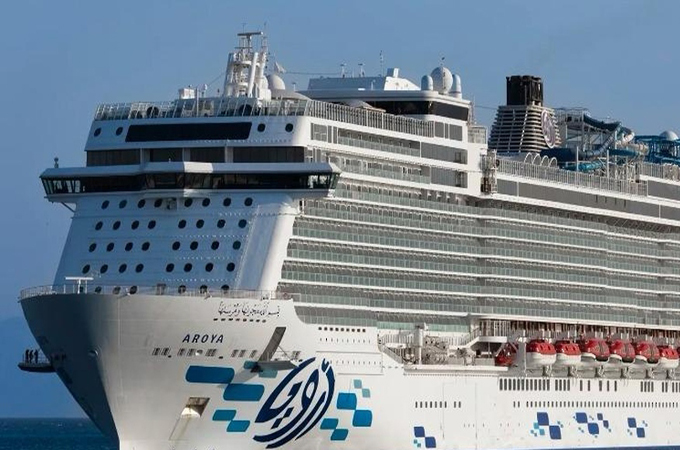
 More than 137,000 cruise passengers have arrived in Oman since the start of 2025, underscoring a steady expansion of the sultanate’s maritime tourism sector as authorities push ahead with a long-term strategy for cruise ships and private yachts.
Figures released by the Ministry of Heritage and Tourism show that the influx spans multiple port calls across Muscat, Khasab and Salalah, with vessels from Europe and Asia accounting for a significant share of itineraries through the Arabian Sea and Gulf region. Officials say the numbers reflect both a recovery in global cruise demand and Oman’s growing appeal as a winter sun destination.
The ministry confirmed that, in collaboration with an international consulting firm, it is preparing a comprehensive strategic study for the cruise ship and yacht sector. The study is expected to assess port infrastructure, regulatory frameworks, environmental standards and marketing initiatives, while mapping out projected passenger volumes over the coming decade. Authorities have indicated that the plan will align with Oman Vision 2040, which prioritises tourism as a pillar of economic diversification.
Industry data show that cruise tourism contributes directly through port fees, ground handling services and excursions, and indirectly through hotel stays, retail spending and transport. Local tour operators in Muscat report brisk demand for shore excursions to sites such as the Sultan Qaboos Grand Mosque, Mutrah Souq and desert landscapes beyond the capital. In Salalah, excursions typically include visits to frankincense heritage sites recognised by UNESCO, while Khasab draws passengers to its fjord-like khors.
Port officials say that the 2025 tally of over 137,000 cruise visitors signals a broader pattern of growth when compared with pre-pandemic seasons, though fluctuations in sailing schedules remain influenced by geopolitical developments and fuel costs. Cruise lines have adjusted routes in response to security advisories in parts of the Red Sea, with some vessels extending Gulf itineraries that include Omani ports.
Global cruise associations project overall passenger volumes worldwide to exceed pre-2020 levels, driven by pent-up demand and fleet expansion. Oman has sought to position itself within this rebound by upgrading port facilities and streamlining entry procedures for passengers and crew. Electronic visa systems and coordinated scheduling between ports have reduced turnaround times, according to ministry officials.
The forthcoming strategy for cruise ships and yachts is expected to examine berthing capacity in Muscat and Salalah, as well as the potential for dedicated marina developments catering to high-net-worth yacht owners. Consultants are also tasked with evaluating environmental safeguards, including waste management, emissions control and protection of marine ecosystems. Environmental groups have urged caution, noting that increased vessel traffic can strain coastal habitats if not managed carefully.
Tourism analysts say the sultanate’s geographic location offers a competitive advantage. Positioned along major sea lanes linking Asia, Africa and Europe, Oman can function as both a transit stop and a home port. However, converting transit calls into longer stays remains a policy objective. Average onshore time for cruise passengers in Muscat ranges between six and eight hours, limiting per-capita expenditure compared with overnight visitors.
Government planners are therefore exploring partnerships with cruise operators to encourage pre- and post-cruise hotel stays. Hotel occupancy rates in Muscat and Salalah typically rise during the peak cruise season from October to April, when milder temperatures attract travellers from colder climates. Tourism officials argue that extending itineraries inland could boost spending in smaller towns and heritage villages.
Regional competition remains intense. Neighbouring Gulf ports have invested heavily in cruise terminals, offering integrated retail complexes and entertainment facilities adjacent to berths. Oman’s approach has emphasised cultural authenticity and natural landscapes rather than large-scale commercial hubs. Officials maintain that this differentiation appeals to cruise lines seeking varied shore experiences for repeat passengers.
Economic planners estimate that each cruise passenger spends on average between $80 and $150 during a port call, depending on excursion choices and shopping preferences. Applying conservative multipliers, the 137,000-plus visitors in 2025 represent a notable injection into local businesses, particularly small and medium-sized enterprises providing transport, guiding services and handicrafts.
Topics
Spotlight