
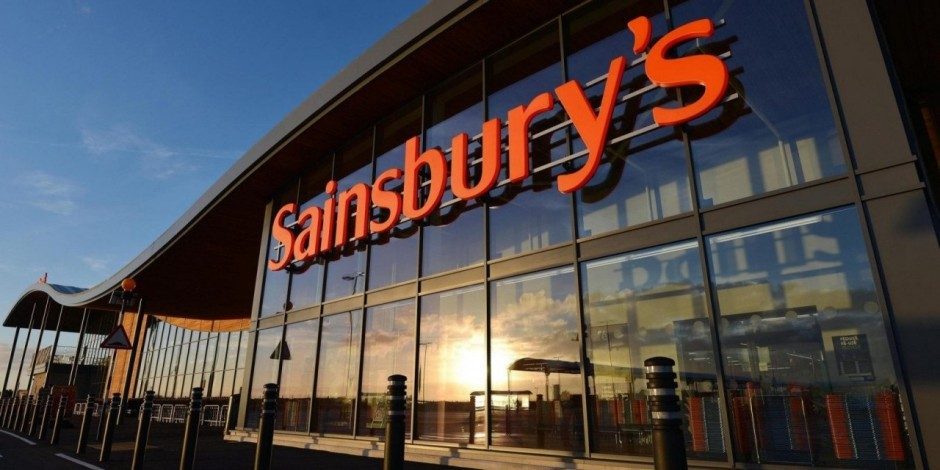
Under the move, QIA intends to sell up to 83.6 million ordinary shares through a placing to institutional investors, with a further tranche — roughly 14 million shares — to be sold via a derivative hedging transaction led by JPMorgan Cazenove acting as sole bookrunner. These sales will come at a price of 317.6 pence per share, equivalent to about $4.20. The overall placement could involve up to 97.5 million shares. On completion, the fund’s stake in Sainsbury’s will shrink from around 10.5 per cent to just under 7 per cent, demoting QIA to the position of the fourth-largest shareholder.
The timing of this divestment aligns with a strong performance run for Sainsbury’s: its shares have gained over 20 per cent this year, with a closing price of 326 pence ahead of the announcement, and the company’s market capitalisation is estimated at £7.4 billion. Concurrently, Sainsbury’s has seen its share of the UK grocery sector rise to approximately 15.3 per cent, and is projecting a retail underlying operating profit in excess of £1 billion for the fiscal year ending March 2026.
For QIA, which first invested in Sainsbury’s in 2007 and once held as much as 25 per cent, this marks another step in a gradual withdrawal that began in 2021. Analysts familiar with the fund’s strategy describe the latest sale as part of routine portfolio adjustment rather than a reaction to any immediate operational concerns at the retailer. The structure of the transaction — especially the accelerated book-building process — suggests a desire to execute the sale swiftly and discreetly, limiting disruption to the broader market.
Strong financial metrics at Sainsbury’s — backed by steady demand for groceries, a leaner business model under current management, and disciplined cost control — may soften potential investor unease over the departure of the long-time majority shareholder. Nonetheless, the shift elevates Vesa Equity Investment S.à. r. l., controlled by Czech businessman Daniel Křetínský, to the largest single shareholder, with a stake around 10.3 per cent. Other significant holders such as Bestway Group retain meaningful positions.
Institutional investors now face the task of judging whether Sainsbury’s current trajectory can sustain without QIA’s backing. For the fund itself, capital freed from the divestment may be redirected into segments seen as offering higher growth or diversification — possibly in sectors such as technology or infrastructure, where sovereign wealth funds worldwide have been reallocating assets amid changing global economic patterns.
Topics
Qatar