
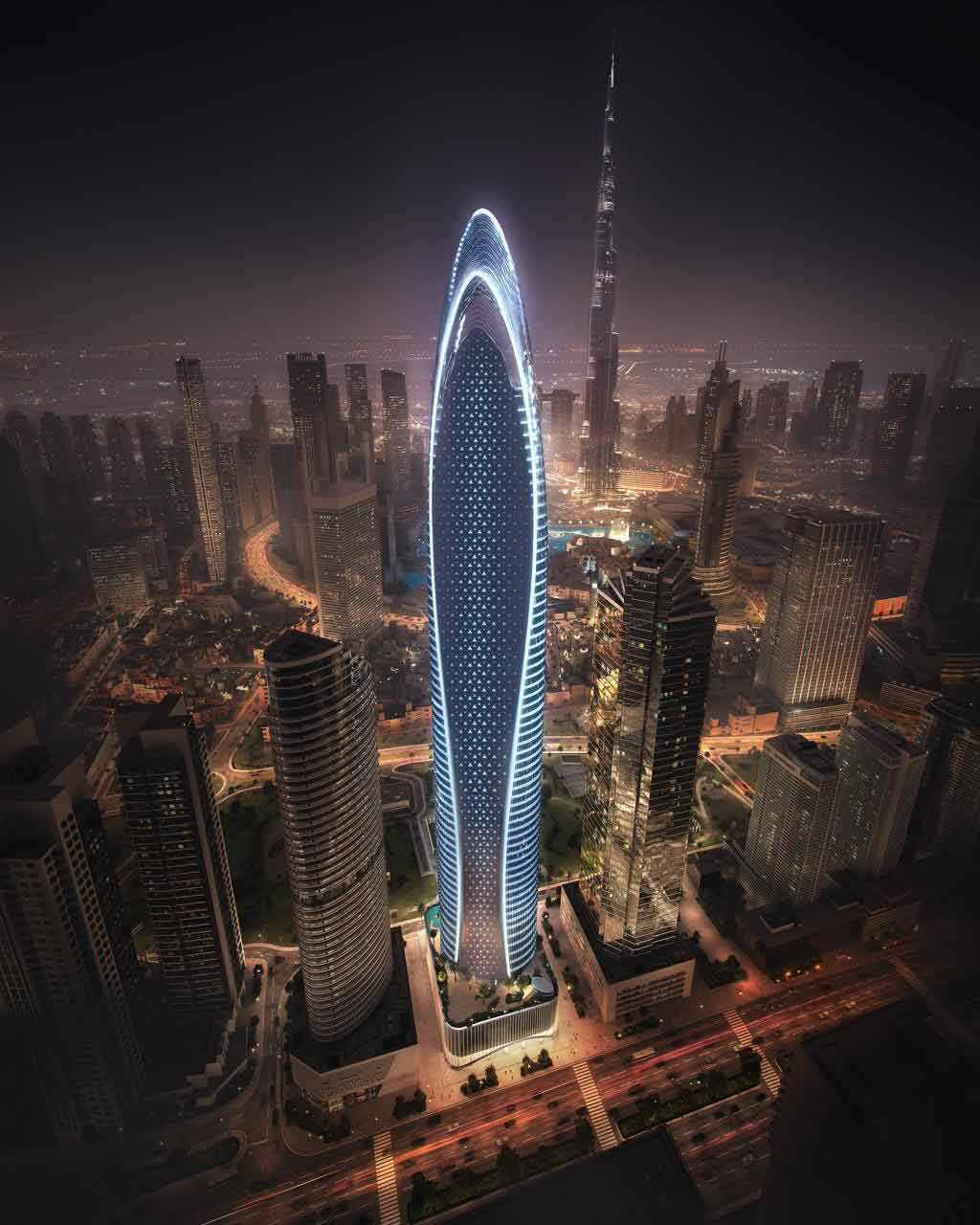
The development, announced in Dubai with senior executives from both companies present, is designed as a mixed-use cluster of high-rise towers combining branded residences, hospitality, retail and lifestyle spaces. Binghatti said the scheme would reflect Mercedes-Benz’s design language and technological ethos across architecture, interiors and urban planning, while embedding smart-city features and sustainability standards expected from a premium automotive marque.
The scale of the project places it among the largest branded real estate ventures globally. With a stated value of about $8.2 billion, the branded city is expected to be delivered in phases, allowing residential and commercial components to come online progressively. Binghatti has not disclosed the precise number of towers or residential units, but indicated that the development would significantly exceed the footprint of existing branded residential projects in the emirate.
Executives described the partnership as an extension of Mercedes-Benz’s long-standing focus on design, innovation and luxury beyond vehicles. For Binghatti, which has rapidly expanded its portfolio across Dubai with distinctive high-rise developments, the alliance provides access to a globally recognised brand at a time when competition in the premium property segment is intensifying.
Dubai has emerged as a global hub for branded residences, attracting partnerships with luxury fashion houses, hospitality groups and automotive brands. Analysts note that demand for such properties has been driven by international buyers seeking differentiated assets, particularly in waterfront and prime urban locations. Branded homes typically command a price premium over comparable non-branded units, justified by design exclusivity, managed services and perceived long-term value.
Binghatti has previously collaborated with high-profile brands on individual towers, but the branded city concept represents a step change in scale and ambition. By clustering multiple towers under a single brand narrative, the developer is aiming to create an identifiable district that functions as a destination rather than a standalone address. The approach aligns with Dubai’s broader strategy of developing themed urban zones that blend residential, commercial and leisure uses.
Mercedes-Benz, through its design and brand licensing arms, has increasingly explored architecture and real estate as platforms to express its identity. The company’s branded residential projects in other markets have emphasised minimalism, advanced materials and technology-driven living environments. Translating those principles into a Middle East context will require adaptation to local climate, regulations and lifestyle patterns, a process both partners said was already underway.
Sustainability is expected to be a central element of the development. Binghatti has highlighted plans to integrate energy-efficient systems, smart building management and environmentally conscious materials, aligning with Dubai’s green building codes and broader net-zero ambitions. While detailed specifications have not been released, the emphasis reflects growing scrutiny from investors and buyers around environmental performance in large-scale real estate projects.
The announcement comes amid continued momentum in Dubai’s property market, which has seen strong transaction volumes and sustained interest from overseas investors. Luxury and ultra-luxury segments have been among the strongest performers, supported by the emirate’s visa policies, infrastructure investment and reputation as a safe haven for capital. Branded developments have been a notable beneficiary of this trend.
Industry observers caution, however, that the success of such mega-projects depends on careful phasing and market timing. Large inventories introduced too quickly can face absorption challenges, particularly if global economic conditions soften. Binghatti’s decision to deliver the branded city in stages suggests an awareness of these risks, allowing supply to be aligned with demand.
Topics
Live News