
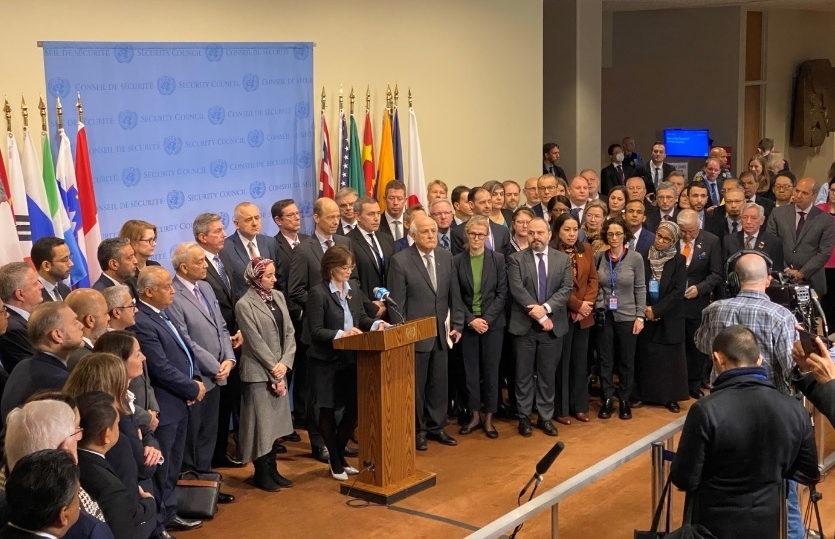
 United Nations officials have urged all parties in the widening Middle East conflict to protect civilian infrastructure and comply with international law, as the organisation also continues work on a proposed mechanism to help humanitarian cargo move safely through the Strait of Hormuz. The warning comes as threats against power, transport and other essential facilities have sharpened concerns about the risks to civilians and aid access across the region.
 The latest UN position reflects mounting alarm over attacks and threats involving systems that sustain everyday life, including energy and transport links. In the UN spokesman’s briefing on 6 April, Stéphane Dujarric said civilian infrastructure, including energy infrastructure, must not be attacked, while also stressing that all sides must uphold international humanitarian law. That message has gained urgency as fighting linked to the war involving Iran, Israel and the United States has expanded its economic and humanitarian reach beyond the immediate battlefield.
A parallel UN effort now under discussion centres on the safe passage of humanitarian shipments through Hormuz, one of the world’s most sensitive maritime chokepoints. According to the UN briefing summary carried by multiple outlets, officials are discussing a new task force intended to ensure the movement of relief cargo, including fertilisers and other essential materials. The issue goes beyond the Gulf: disruptions to freight and air routes have already affected food, medicine and humanitarian supply chains serving crisis-hit countries well outside the conflict zone.
The diplomatic push has unfolded alongside separate negotiations at the Security Council over maritime security. Reuters reported that the Council is expected to vote on a watered-down resolution on protecting commercial shipping in Hormuz after China opposed language that would have authorised force. The revised draft instead encourages defensive coordination, including the escort of merchant vessels, in an attempt to improve navigational safety without endorsing a broader military mandate. That distinction matters politically because several member states fear that a more forceful text could deepen the conflict rather than contain it.
For the UN, the legal and humanitarian concerns are increasingly intertwined. International humanitarian law requires parties to distinguish between military objectives and civilian objects, and legal experts have said that deliberate attacks on infrastructure essential to civilian survival can amount to war crimes if they fail the tests of military necessity, distinction and proportionality. Reuters noted last month that food supplies, water systems and energy infrastructure fall within categories receiving particular protection when their destruction would expose civilians to starvation, displacement or severe suffering.
Humanitarian agencies say the material effects are already visible. Reuters reported on 11 March that UN aid chief Tom Fletcher warned the conflict was disrupting global relief operations, slowing life-saving assistance and pushing up transport costs. He said constraints on movement through Hormuz and Gulf airspace were affecting supplies bound not only for Gaza but also for sub-Saharan Africa, with Somalia and Sudan among the places facing acute pressure. Aid agencies quoted by the Associated Press have also warned that food, vaccines and medicines have been delayed or stranded as shipping insurance costs rise and logistics hubs across the Gulf face strain.
The Red Cross movement has added to the pressure for restraint. ICRC President Mirjana Spoljaric said on 6 April that the rules of war must be respected in both words and actions, warning that deliberate threats or attacks against critical civilian infrastructure and nuclear facilities must not become normalised. The ICRC has separately said that war on essential infrastructure is war on civilians, a formulation that captures growing anxiety among humanitarian organisations that the region is moving closer to a model of conflict in which public utilities and survival systems are treated as strategic leverage.
UN Secretary-General António Guterres has also tried to widen the diplomatic track. On 25 March he appointed veteran diplomat Jean Arnault as his personal envoy on the Middle East conflict and its consequences, signalling that the crisis now demands sustained, high-level political engagement rather than ad hoc messaging. According to Reuters and the UN appointment note, Arnault’s mandate is tied not only to ceasefire diplomacy but also to the wider consequences of the war, including pressure on oil, gas and fertiliser flows that affect prices, food security and political stability far beyond the region.
Topics
World