
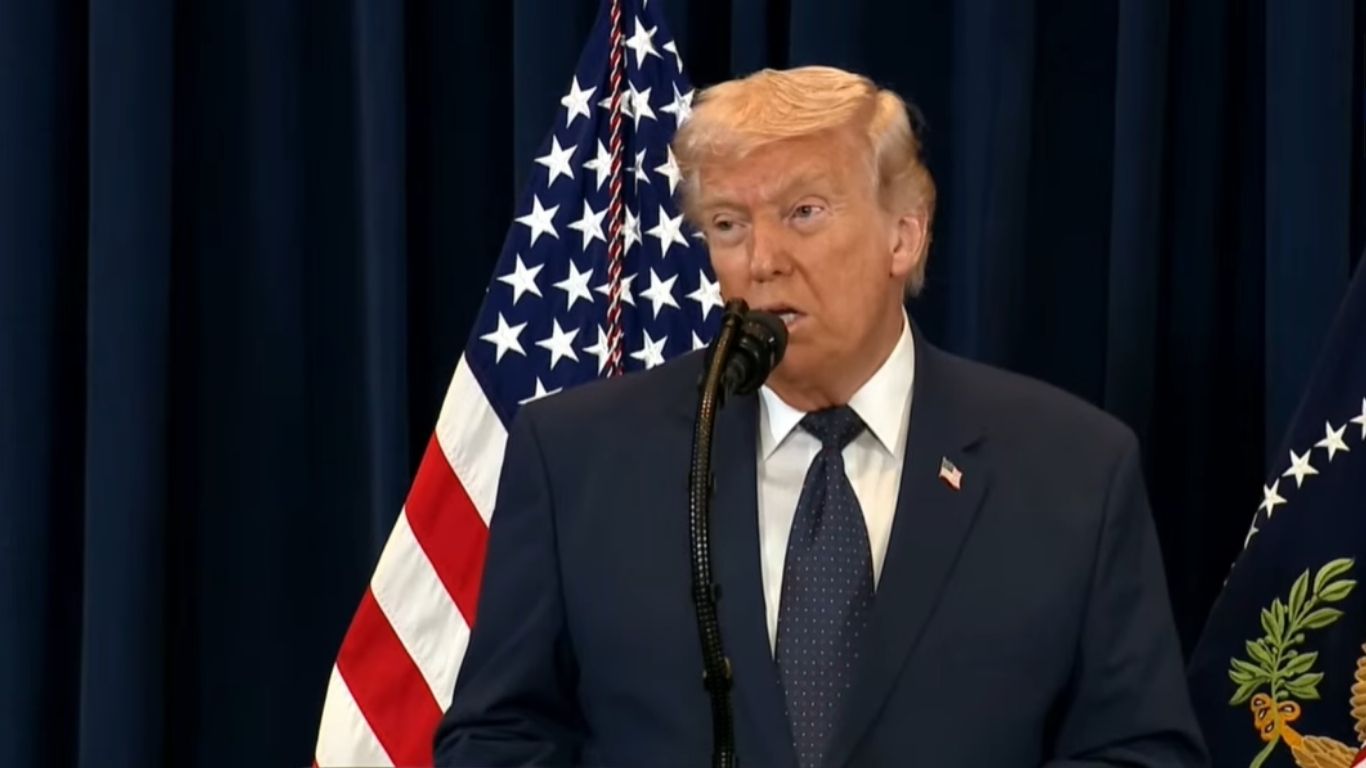
 Strikes across Gulf states and mounting uncertainty over access to the Strait of Hormuz are overshadowing a new U. S. diplomatic push, after the White House said President Donald Trump was dispatching an Iran negotiating team led by Vice-President JD Vance to Pakistan for talks due to begin on Saturday. The move follows a shaky two-week ceasefire between Washington and Tehran that has yet to steady shipping flows or halt violence across the wider region.
 The immediate problem for diplomats is that the ceasefire has not removed confusion over what exactly has been agreed. U. S. officials have said Iran is expected to reopen the Strait of Hormuz and move towards a broader settlement, while Tehran has continued to signal that passage through the waterway remains subject to conditions. That ambiguity has kept markets tense and shipping companies cautious, even as Washington presents the Pakistan channel as a path to de-escalation.
Karoline Leavitt, the White House press secretary, told reporters that Vance would lead the American delegation. Reuters reported that the team would also include special envoy Steve Witkoff and Jared Kushner, underlining how heavily the administration is investing in face-to-face talks after weeks of warfare, threats and disrupted trade. Pakistan, which helped broker the ceasefire, is now emerging as the principal venue for efforts to prevent the conflict from widening again.
Yet the battlefield picture remains deeply unsettled. Reuters reported that Kuwait said its air defences were dealing with a wave of Iranian drone attacks aimed at oil facilities, power stations and desalination plants. Other reporting has pointed to continued attacks or interceptions involving several Gulf states, feeding a sense that the ceasefire exists more on paper than in practice. That matters because Gulf energy infrastructure, shipping lanes and insurance costs are closely linked; any perception that the truce is fraying can quickly spill into oil prices and freight disruption.
The Strait of Hormuz sits at the centre of the dispute. Roughly a fifth of the world’s oil consumption passes through the narrow corridor, making any threat to navigation a matter of global economic concern. Iran has indicated it wants a greater say over passage and, according to reporting from Reuters and AP, has floated or tolerated the idea of tolls for ships using the route. European officials have pushed back firmly, with Greek Prime Minister Kyriakos Mitsotakis saying such charges would be unacceptable and would undermine freedom of navigation.
Additional alarm has come from signs that the waterway may still be physically unsafe. AP reported that Iranian semi-official agencies published charts suggesting that sea mines may have been laid in parts of the strait during the conflict, while commercial traffic has remained limited. Even where a formal closure has not been universally declared, the combination of mines, military patrols, vetting procedures and political bargaining has been enough to keep many operators from returning to normal schedules.
That caution is visible in the commercial sector. Maersk said the ceasefire might create some transit opportunities, but stressed that it still did not provide full maritime certainty. The company has continued to suspend cargo bookings to many Gulf ports and rely on workarounds through Saudi Arabia, Oman and the UAE. For energy markets and supply chains, that is a significant signal: even if diplomats avoid a total collapse in talks, businesses are not yet acting as though the crisis has passed.
Another source of instability is disagreement over the scope of the ceasefire itself. Vance described it as a “fragile truce”, while Reuters and other outlets reported that Iran has accused the U. S. side of breaching understandings linked to Lebanon and continued military pressure. Israeli strikes in Lebanon have become a particularly contentious point, with Tehran indicating that such operations weaken the basis for negotiation, while U. S. accounts have suggested the truce was narrower in scope. That gap in interpretation leaves negotiators heading into Islamabad with the task not only of building a settlement, but of defining the one they already claim to have.
Topics
World