
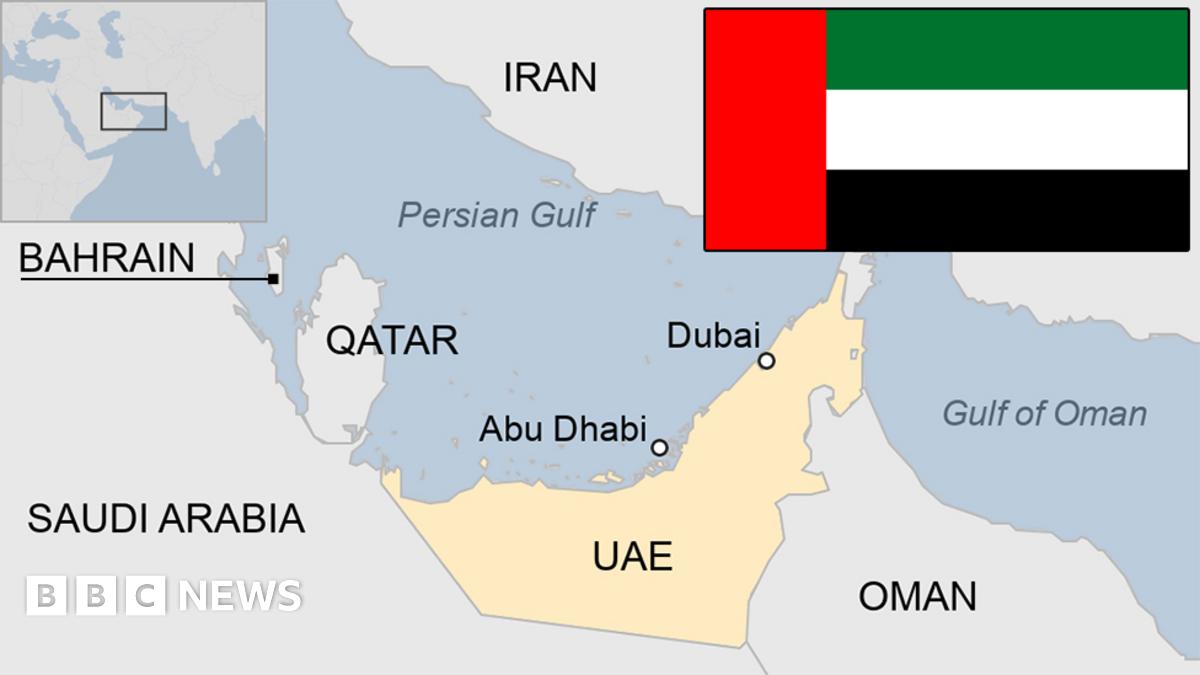
 UAE air defence systems intercepted 10 ballistic missiles and 45 unmanned aerial vehicles on 17 March, marking one of the most extensive engagements of aerial threats faced by the federation amid escalating regional tensions linked to Iran.
Authorities confirmed that the interceptions were carried out successfully, with no immediate reports of casualties or significant infrastructure damage. The operation reflects a sustained pattern of defensive responses as the country confronts a surge in missile and drone activity tied to a broader phase of confrontation in the Gulf.
Officials indicated that since the onset of what they described as Iranian aggression, air defence units have intercepted more than 300 aerial threats, underscoring the scale and persistence of the challenge. The latest barrage combined ballistic projectiles and loitering munitions, suggesting a coordinated attempt to test the resilience and response time of layered defence systems deployed across strategic urban and industrial zones.
The UAE’s integrated air defence network, which includes advanced radar systems and missile interceptors, has been central to mitigating the impact of such attacks. Analysts point to the role of systems such as Patriot and Terminal High Altitude Area Defense in enabling rapid detection and interception, alongside locally coordinated command-and-control structures that allow swift engagement decisions.
Security experts note that the dual use of ballistic missiles and drones reflects evolving tactics in regional warfare, where saturation attacks aim to overwhelm defensive capabilities. The use of unmanned systems in large numbers is designed to exploit gaps in radar coverage or interceptor capacity, while ballistic missiles provide high-speed threats that require immediate neutralisation.
Military observers say the scale of the latest interception demonstrates both the sophistication of the offensive and the effectiveness of the defensive architecture. “This level of coordinated targeting indicates a deliberate strategy to apply pressure across multiple axes simultaneously,” one regional defence analyst said, adding that the UAE’s ability to neutralise the threats points to significant operational readiness.
The escalation comes against a backdrop of heightened geopolitical strain across West Asia, where maritime routes, energy infrastructure and urban centres have increasingly become focal points of strategic contestation. Gulf states have invested heavily in defence modernisation over the past decade, seeking to counter asymmetric threats posed by missiles and drones.
Economic implications are also emerging as a critical dimension of the unfolding situation. The UAE, a major financial and logistics hub, has worked to maintain operational continuity despite security challenges. Market participants are closely watching developments, particularly in sectors linked to aviation, energy exports and port operations, which could be affected by sustained instability.
Industry executives say contingency plans have been activated across key sectors, including adjustments to flight paths, reinforcement of critical infrastructure security and coordination with international partners. Insurance premiums for shipping and aviation in the region have shown signs of upward pressure, reflecting heightened risk assessments tied to the security environment.
Diplomatic channels remain active, with international actors urging restraint and de-escalation. However, the continued exchange of hostilities suggests limited immediate prospects for a rapid easing of tensions. The UAE has reiterated its commitment to safeguarding national sovereignty while maintaining stability in global trade corridors that pass through the region.
Regional security specialists argue that the pattern of attacks highlights the importance of intelligence-sharing frameworks among Gulf Cooperation Council members and allied countries. Enhanced coordination is seen as essential to tracking launch sites, anticipating attack vectors and improving early warning systems.
The frequency and scale of aerial threats have also intensified discussions around next-generation defence technologies, including directed energy weapons and artificial intelligence-driven surveillance systems. Defence planners are examining how such innovations could complement existing missile defence frameworks to address emerging risks more effectively.
Public messaging from authorities has emphasised preparedness and resilience, with reassurances that air defence systems remain fully operational and capable of responding to evolving threats. Emergency response mechanisms have been placed on heightened alert, though normal activities have largely continued across major cities.
Energy markets are responding cautiously, with oil prices reflecting underlying geopolitical risk while remaining sensitive to broader supply-demand dynamics. The Gulf’s role as a key energy supplier means that any sustained disruption could carry implications for global markets, particularly if tensions were to extend to critical production or export infrastructure.
Topics
UAE