
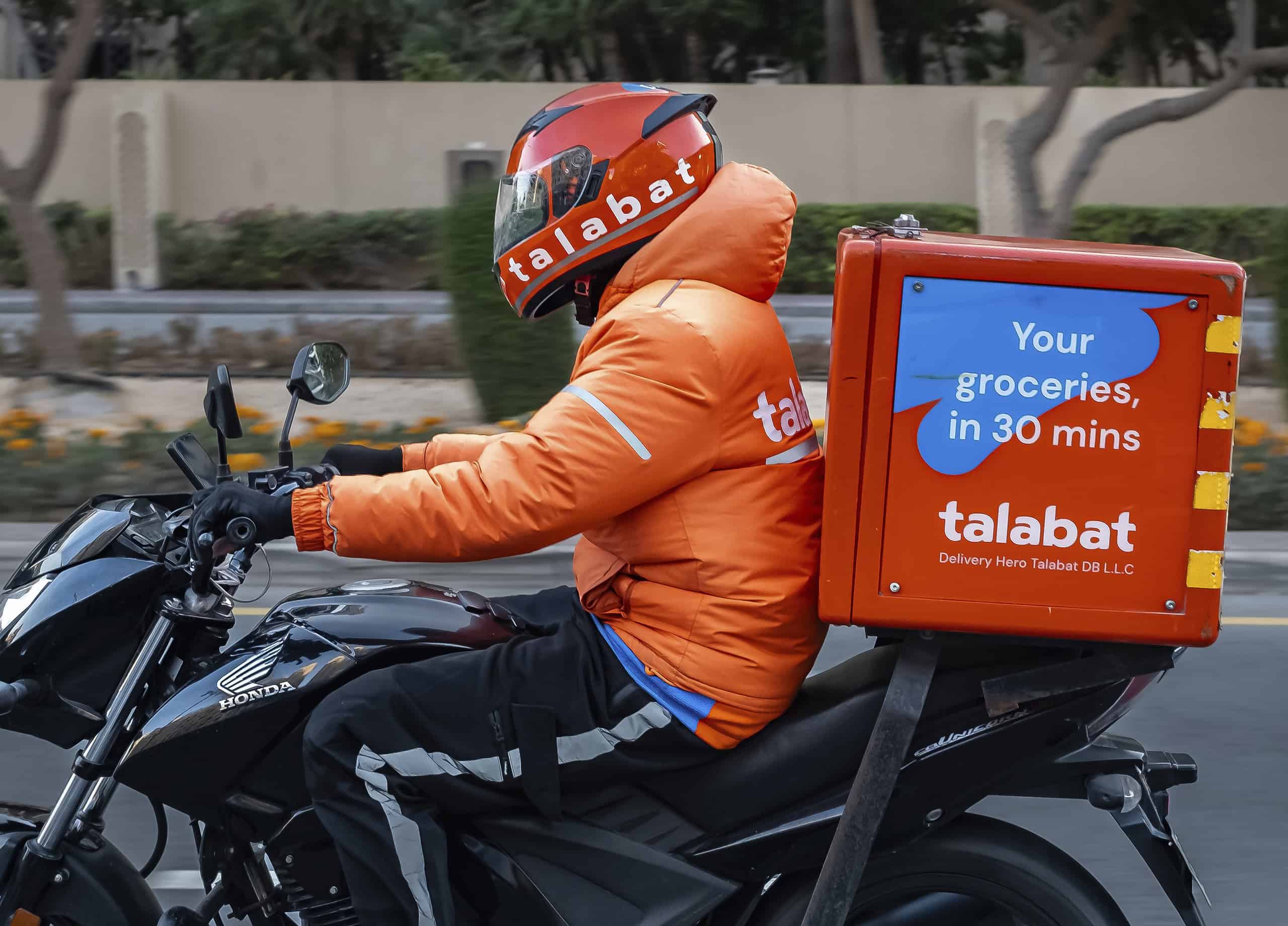
 Talabat has unveiled a programme offering 100 rent-free cloud kitchen spaces to UAE-founded restaurant brands, a move aimed at lowering entry barriers and accelerating growth across the delivery-led food sector.
The delivery platform said the initiative will run until September 2026, removing one of the industry’s most significant cost pressures—kitchen rental—at a time when operators face tight margins and rising input costs. By providing fully equipped facilities at no charge, the company is seeking to nurture homegrown concepts and expand the diversity of offerings available to consumers.
Executives described the plan as a strategic intervention in a rapidly evolving market where delivery-first dining models have reshaped traditional restaurant economics. Cloud kitchens, which operate without dine-in spaces and rely entirely on delivery platforms, have become central to urban food ecosystems across the Gulf, particularly in densely populated cities where real estate costs remain high.
Talabat’s decision reflects a broader shift among major delivery platforms towards deeper integration with restaurant partners. Rather than acting solely as intermediaries, companies are increasingly investing in infrastructure, data insights and operational support to secure long-term supply and customer loyalty. The rent-free model is expected to appeal especially to small and medium-sized enterprises, which often struggle with upfront capital requirements.
Industry participants say the offer could significantly reduce the break-even timeline for new ventures. Rental expenses typically account for a substantial portion of operating costs in the region, particularly in premium urban locations. Eliminating that burden allows entrepreneurs to allocate resources towards menu development, branding and marketing, potentially improving survival rates in a highly competitive market.
The UAE’s food delivery sector has seen sustained growth, driven by high smartphone penetration, a young demographic profile and a strong culture of dining convenience. Analysts estimate that delivery now accounts for a growing share of total food service revenues, with cloud kitchens playing an increasingly prominent role in meeting demand. The pandemic-era shift towards off-premise consumption has continued to influence consumer behaviour, even as dine-in activity stabilises.
Talabat’s programme also highlights the intensifying competition among delivery platforms in the region. Rivals have pursued various strategies, including exclusive partnerships, subscription models and investment in logistics networks, to differentiate their offerings. By focusing on supporting local brands, Talabat appears to be positioning itself as a partner in growth rather than merely a distribution channel.
Restaurant operators have responded cautiously but with interest. Some see the initiative as an opportunity to test new concepts with limited financial risk, while others note that success will depend on factors beyond rent, including commission structures, visibility on the platform and the ability to maintain consistent quality at scale. Delivery-only formats can present operational challenges, particularly in maintaining food standards during transit and managing fluctuating demand.
Talabat has indicated that participating brands will gain access not only to kitchen space but also to data-driven insights, marketing support and logistical infrastructure. These elements are increasingly viewed as critical advantages in a sector where consumer preferences can shift quickly and competition is intense. Access to platform analytics allows operators to refine menus, optimise pricing and respond to demand patterns in real time.
The initiative also aligns with broader economic priorities in the UAE, where authorities have emphasised support for entrepreneurship and the growth of small businesses. Food and beverage ventures have been identified as a key segment within the wider retail and hospitality ecosystem, contributing to job creation and cultural diversity.
Market observers note that while the rent-free model offers clear short-term benefits, its long-term impact will depend on execution and sustainability. Questions remain about how many brands will be able to transition from subsidised operations to fully independent businesses once the programme ends. There is also scrutiny over how such initiatives may influence competitive dynamics, particularly for operators that continue to bear full rental costs outside the programme.
Talabat’s expansion into infrastructure support reflects a global trend in the delivery sector, where companies are seeking to deepen their role within the value chain. Similar models have emerged in other markets, with platforms investing in shared kitchen facilities to streamline operations and improve efficiency.
Topics
UAE