
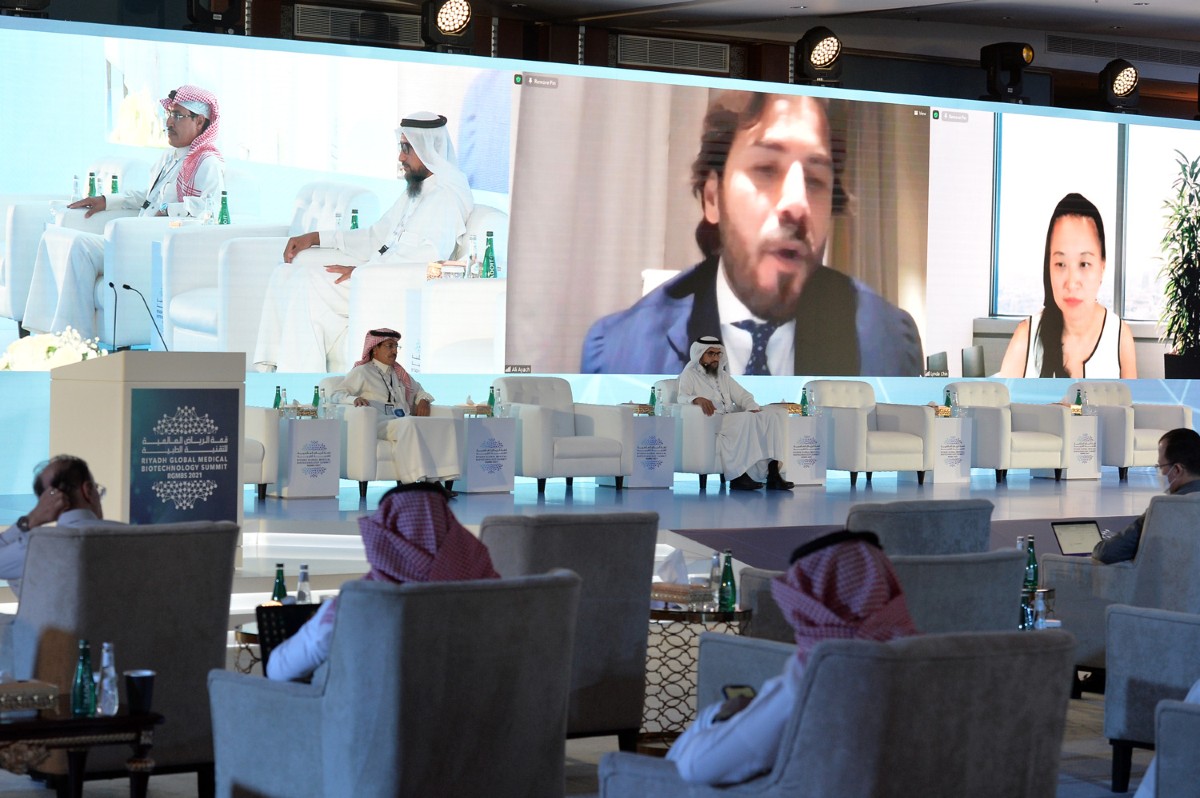
 Saudi Arabia will stage the Middle East edition of the BIO / CPHI Biotechnology and Pharmaceutical Development Forum in Riyadh from 11 to 13 May, positioning the Kingdom at the centre of a fast-evolving regional life sciences market as it accelerates plans to localise drug manufacturing and expand biotechnology research.
Held under the patronage of the Ministry of Health and organised by Tahaluf Company, the gathering is scheduled to take place at the Riyadh Convention and Exhibition Center in Malham. Officials say the forum is designed to bring together global pharmaceutical manufacturers, biotech innovators, regulators and investors at a time when healthcare transformation forms a key pillar of the Kingdom’s Vision 2030 economic diversification agenda.
The BIO and CPHI brands are widely recognised in the life sciences industry. BIO refers to the Biotechnology Innovation Organization, a major global association representing biotech companies, academic institutions and research centres, while CPHI is known for its international pharmaceutical trade exhibitions that convene suppliers, manufacturers and regulators across the drug development value chain. Their Middle East convergence in Riyadh reflects growing commercial interest in Gulf healthcare markets and rising demand for advanced therapies.
Saudi Arabia’s healthcare spending has increased steadily over the past decade, driven by population growth, chronic disease burdens and policy commitments to expand access to care. The government has placed particular emphasis on strengthening domestic pharmaceutical production capacity to reduce reliance on imports, a goal sharpened during the COVID-19 pandemic when global supply chains came under strain.
Officials have outlined ambitions to raise the proportion of medicines manufactured locally, encourage technology transfer and attract multinational pharmaceutical firms to establish regional hubs in the Kingdom. The Saudi Food and Drug Authority has overhauled regulatory pathways in recent years, seeking to streamline approvals and align standards more closely with international benchmarks. Industry executives view such reforms as essential to fostering investor confidence.
Hosting a combined biotechnology and pharmaceutical development forum offers Riyadh an opportunity to showcase these regulatory and industrial reforms. It also provides a platform to highlight flagship projects such as new industrial clusters, research partnerships with universities and public investment in genomics, advanced therapies and vaccine manufacturing.
Tahaluf Company, the organiser, is a joint venture involving entities linked to the Public Investment Fund and global exhibition partners. It has emerged as a key vehicle for attracting large-scale conferences to the Kingdom, particularly in sectors aligned with national transformation priorities including healthcare, technology and energy.
Regional analysts note that the Middle East’s pharmaceutical market is projected to expand steadily over the coming years, supported by demographic trends and government-backed insurance coverage programmes. Saudi Arabia represents the largest healthcare market in the Gulf Cooperation Council, making it a natural focal point for international pharmaceutical companies seeking regional scale.
Beyond commercial transactions, biotechnology is increasingly seen as strategic. Advances in gene therapy, mRNA platforms and precision medicine are reshaping treatment paradigms worldwide. Countries seeking to build knowledge-based economies are investing heavily in life sciences research infrastructure, talent development and venture capital ecosystems. Saudi authorities have signalled their intent to participate in this global shift by funding research centres and encouraging collaboration between domestic institutions and international biotech firms.
The forum is expected to feature discussions on regulatory harmonisation, supply chain resilience, clinical trials, digital health integration and sustainability in pharmaceutical manufacturing. Industry participants are likely to explore partnerships spanning raw material sourcing, contract manufacturing, cold-chain logistics and laboratory services, reflecting the complexity of modern drug development.
Market observers say Gulf governments are increasingly aware that biotechnology extends beyond pharmaceuticals into areas such as agricultural biotech, diagnostics and bio-manufacturing, each offering potential economic dividends. Riyadh’s bid to host a high-profile forum aligns with broader efforts to cultivate advanced manufacturing and research-driven industries.
At the same time, challenges remain. Building a competitive biotech ecosystem requires long-term investment, skilled human capital and robust intellectual property frameworks. Competition from established global hubs in Europe, North America and parts of Asia is intense. Regional players must also navigate pricing pressures, reimbursement constraints and evolving global regulatory expectations.
For multinational pharmaceutical groups, the Middle East offers both opportunity and complexity. Demand for innovative therapies is rising, but market access strategies vary across jurisdictions. Engaging directly with regulators and policymakers at a forum of this scale may help companies clarify pathways for product registration, clinical trial collaboration and local manufacturing agreements.
Topics
Spotlight