
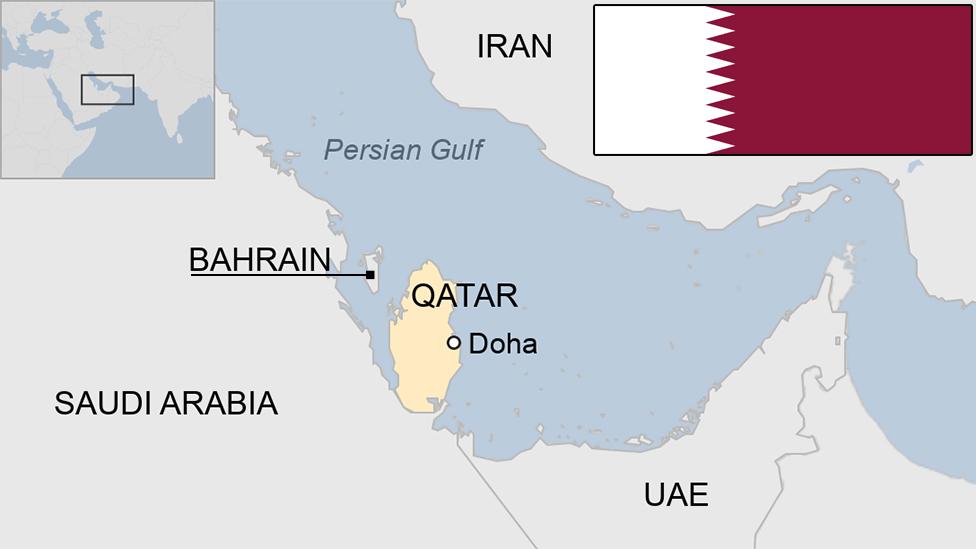
 Qatar Chamber has reaffirmed its determination to protect supply chains and maintain the steady availability of goods across the domestic market, as the business community confronts shifting global trade dynamics and logistical disruptions. The organisation said it is strengthening coordination with public and private stakeholders to ensure the uninterrupted flow of commodities and raw materials that underpin the country’s commercial and industrial sectors.
HE Sheikh Khalifa bin Jassim bin Mohammed Al-Thani, Chairman of Qatar Chamber, said safeguarding supply networks has become a strategic priority as global shipping patterns, geopolitical tensions and evolving trade routes continue to influence the movement of goods. He noted that the Chamber is maintaining constant communication with companies and authorities to identify obstacles affecting importers, manufacturers and distributors operating in the country.
Sheikh Khalifa emphasised that Qatar’s private sector plays a critical role in preserving market stability. According to the Chamber, businesses across sectors such as food supply, construction materials, consumer goods and manufacturing have been working closely with regulatory bodies to anticipate potential bottlenecks and implement contingency measures.
The initiative reflects broader efforts within the Gulf region to strengthen economic resilience following several years of supply chain volatility triggered by pandemic-era disruptions, shipping congestion and geopolitical tensions affecting maritime corridors. Many governments in the region have intensified investment in logistics infrastructure, port capacity and domestic production capabilities to reduce reliance on external supply routes.
Qatar’s economy relies heavily on imports for food products, consumer goods and industrial inputs, making efficient supply chains essential to market stability. Over the past decade the country has expanded port infrastructure and logistics networks to support trade diversification and ensure uninterrupted access to global markets.
Hamad Port, one of the region’s largest seaports, has emerged as a central pillar of that strategy. The port handles millions of tonnes of cargo annually and links Qatar to more than a hundred global destinations through direct shipping routes. Logistics zones surrounding the port have also attracted manufacturing and distribution companies seeking proximity to maritime transport facilities.
Officials within the Chamber say maintaining efficient cargo flows requires constant monitoring of international developments that could affect freight rates, shipping schedules or supply availability. Disruptions in major maritime corridors, including routes connecting Asia, Europe and the Middle East, have prompted businesses to diversify suppliers and shipping channels.
The Chamber said it is encouraging companies to adopt more flexible procurement strategies and strengthen inventory management systems. Businesses are also being urged to explore alternative suppliers and develop partnerships with regional manufacturers to minimise exposure to external shocks.
Economic planners in Doha have been promoting domestic production in several sectors as part of long-term supply security. Industrial zones and investment incentives have been established to encourage local manufacturing of food products, building materials and consumer goods. These policies aim to reduce dependence on imports while creating new opportunities for private sector growth.
Private companies have responded by expanding food processing facilities, packaging operations and light manufacturing plants. Agricultural projects within controlled environments have also been developed to boost domestic food output. Such initiatives gained momentum following earlier trade disruptions that highlighted the vulnerability of global supply chains.
Qatar Chamber said it is maintaining regular dialogue with importers, retailers and logistics providers to track price fluctuations and identify shortages before they affect consumers. Market monitoring mechanisms allow the organisation to relay information to authorities responsible for trade regulation and consumer protection.
Business leaders say that stable supply chains are essential for maintaining investor confidence and supporting economic diversification plans. Reliable access to raw materials enables manufacturers to sustain production levels, while predictable import flows help retailers manage inventories and pricing.
Sheikh Khalifa stated that cooperation between government entities and private companies remains crucial to navigating global uncertainties. The Chamber has organised meetings, workshops and consultations aimed at helping businesses understand regulatory updates, trade developments and logistics trends that could influence supply operations.
Trade analysts note that supply chain resilience has become a central concern for economies worldwide. Companies are re-evaluating procurement models and investing in digital tools that enhance visibility across shipping networks. Data analytics and advanced logistics platforms allow firms to anticipate disruptions and optimise distribution routes.
Regional cooperation is also playing a role in strengthening supply networks across the Gulf. Shared transport corridors, integrated customs procedures and cross-border logistics initiatives have helped streamline trade flows among neighbouring states.
Topics
Qatar