
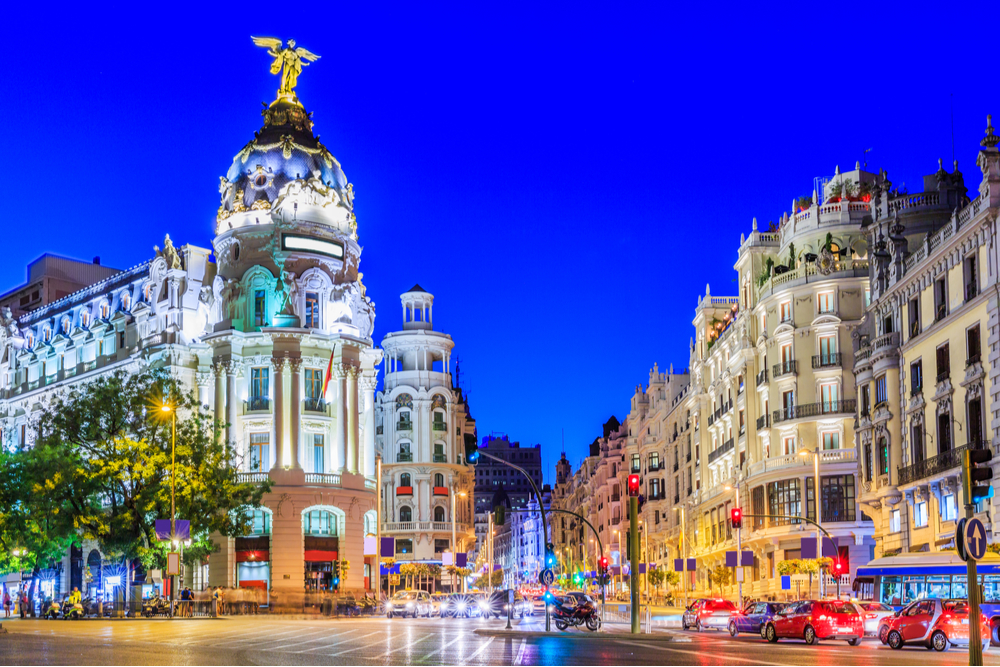
 Bustling markets, historic taverns and modern restaurants have turned Madrid into a focal point of Spain’s food culture, drawing visitors eager to sample a cross-section of the country’s most celebrated ingredients and traditional recipes within a single city.
Spain’s capital has long been known for its political and cultural influence, yet food tourism has taken on a growing role in shaping the city’s identity. Chefs, restaurateurs and culinary historians say Madrid offers something unique: a place where regional specialities from across the country converge, allowing diners to experience the diversity of Spanish cuisine without leaving the capital.
From narrow lanes near Plaza Mayor to the broad boulevards around Gran Vía, Madrid’s streets reveal a culinary landscape that blends centuries-old traditions with contemporary gastronomy. Visitors encounter everything from humble taverns serving rustic stews to refined restaurants experimenting with modern interpretations of classic dishes.
Local markets play a central role in this food culture. The Mercado de San Miguel, located beside Plaza Mayor, has become one of the city’s most recognisable gastronomic landmarks. Its iron-framed structure houses dozens of stalls offering tapas, seafood, cured meats and desserts, giving visitors a quick introduction to the range of Spanish flavours. Similar experiences can be found at markets such as Mercado de San Antón and Mercado de la Paz, where residents and tourists mingle among counters stacked with Iberian ham, olives and fresh produce.
Food historians point out that Madrid’s rise as a culinary centre reflects the city’s historic position as the seat of government and royal court. Over centuries, migration from different regions brought culinary traditions from Andalusia, Galicia, Castile and the Basque Country. Those influences blended into a distinctive dining culture that highlights both regional diversity and shared national ingredients.
One of the dishes most closely associated with the capital is cocido madrileño, a hearty chickpea stew traditionally prepared with pork, beef and vegetables. Served in stages, the dish exemplifies the robust cooking style of central Spain and remains a staple in many taverns during cooler months. Another enduring favourite is bocadillo de calamares, a sandwich filled with fried squid rings, widely sold around Plaza Mayor and often paired with a glass of beer.
Beyond these classics, Madrid’s restaurants showcase products from across the country. Seafood from Galicia appears alongside rice dishes inspired by Valencia and pintxos influenced by the Basque Country. Cured Iberian ham, particularly jamón ibérico from Extremadura and Andalusia, features prominently on menus and in delicatessens throughout the city.
Madrid’s culinary reputation has also been strengthened by a dynamic restaurant scene that bridges tradition and innovation. A number of establishments have earned international acclaim for creative tasting menus that reinterpret familiar flavours with modern techniques. Chefs working in the capital often emphasise seasonal ingredients and local sourcing while maintaining connections to Spain’s regional food heritage.
Tourism authorities note that gastronomy has become a powerful draw for international visitors. Travellers increasingly plan itineraries around dining experiences, food tours and cooking classes. Walking through neighbourhoods such as La Latina or Malasaña offers an opportunity to move from one tapas bar to another, sampling small plates that range from grilled vegetables to marinated anchovies and croquettes.
Wine culture also plays an important role in Madrid’s food scene. Bars and restaurants feature bottles from well-known wine regions such as Rioja, Ribera del Duero and Rías Baixas. Spanish sparkling wine, known as cava, and sherry from southern Spain frequently accompany tapas, reinforcing the connection between food and drink in local dining customs.
The capital’s chefs and restaurateurs say that the city’s culinary appeal lies partly in its accessibility. Visitors can experience high-end dining, traditional taverns and street-style snacks within walking distance. That variety creates a tasting journey through Spain’s regional cuisines, reflecting both the country’s agricultural wealth and its culinary history.
Madrid’s dining culture continues to evolve as younger chefs introduce global influences while preserving traditional recipes. International ingredients appear alongside familiar Spanish staples, illustrating how the capital’s kitchens adapt to changing tastes without losing their connection to heritage.
Topics
Tourism