
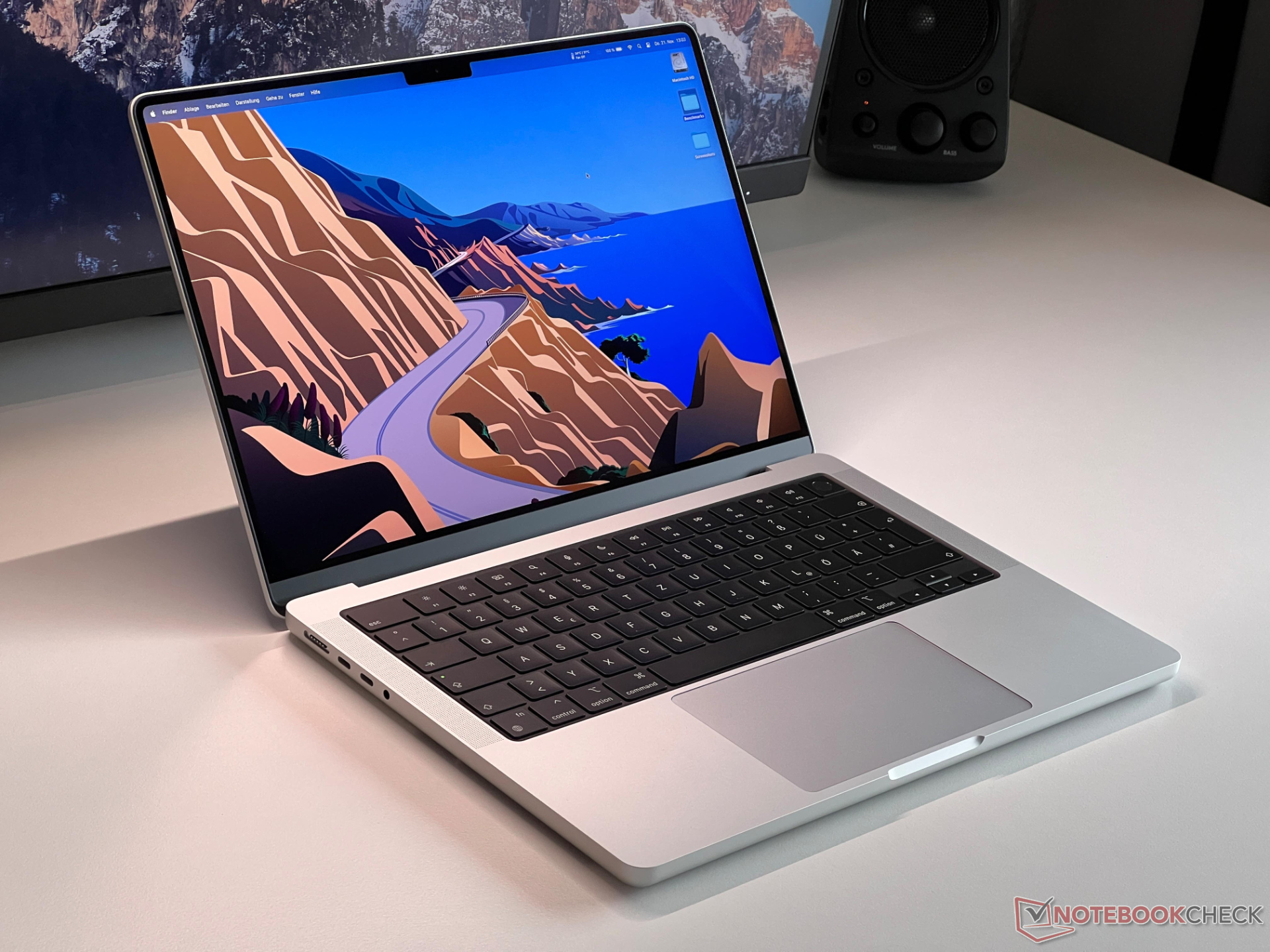
 Apple’s desktop powerhouse, the Mac Studio, is on track for a significant performance overhaul in 2026, with the company expected to equip the machine with its next-generation M5 Max and M5 Ultra silicon chips. This move could mark the most substantial architectural update to the Mac Studio since its introduction, positioning the desktop as a flagship choice for creative professionals, developers and AI-driven workflows.
 The current iteration of Mac Studio, refreshed in early 2025, paired an M4 Max with an M3 Ultra chip, a configuration that blended two different generations of Apple silicon. Despite delivering strong performance for video editing and 3D rendering tasks, that mix drew scrutiny because the M3 Ultra, although powerful, was based on an older architecture than the M4 Max. Apple analysts and supply-chain reports now indicate the 2026 version will offer both chips from the unified M5 family.
Industry observers foresee the transition to M5 Max and M5 Ultra chips being central to this desktop refresh. Early leaks suggest Apple’s silicon strategy for 2026 prioritises CPU and GPU performance, enhanced neural processing for machine-learning, and higher unified memory ceilings aimed squarely at professional workloads requiring rapid compile times, complex simulations and immersive media production. The M5 Ultra variant, in particular, is projected to deliver sizeable improvements over its predecessor in both core counts and processing throughput.
While Apple has not confirmed official specifications or launch dates, reports from trusted Apple-focused publications and analysts point to a spring to early summer 2026 timeframe for the Mac Studio rollout. Historically, Apple has chosen that window for desktop updates, aligning announcements either with broader product events or separate hardware showcases targeted at creative and professional markets.
A notable aspect of the anticipated upgrade is the internal structural rework of the M5 chip family. Unlike some previous generations — where GPU and CPU were more tightly coupled — there is credible chatter that Apple’s modular approach will allow greater flexibility for users to mix and match CPU and GPU blocks within the M5 Max and M5 Ultra configurations. This is expected to offer professionals more choice, whether prioritising graphics-heavy tasks or raw compute throughput.
Memory and storage are slated to scale upward as well, with Unified Memory configurations for the M5 Ultra version reportedly reaching up to 96GB or higher and storage choices extending into the multi-terabyte range. Connectivity, including Thunderbolt 5 ports, is anticipated to remain a strong suit, enabling fast data transfer and support for multiple high-resolution displays — features critical for video editors, VR content creators and software developers.
Market speculation suggests that alongside the Mac Studio update, Apple might also unveil the Studio Display 2, an evolution of its pro display offering with enhanced panel technologies such as mini-LED and possibly higher refresh rates. Together, these products could form a compelling platform for studios and creative professionals seeking desktop solutions that balance performance with compactness.
Despite the buzz, there are open questions about pricing and official naming conventions for the new chips and configurations. Some analysts caution that global supply constraints and component tariffs could influence final retail prices, potentially pushing them above current levels. That said, observers believe Apple will aim to maintain competitive tiers that appeal to both high-end creatives and enterprise buyers looking to standardise on Apple silicon hardware.
Across the Mac product ecosystem, Apple’s broader 2026 strategy appears ambitious, with upgrades planned for MacBooks and potentially new form factors in other product lines. The focus on M5-family chips underscores Apple’s commitment to accelerating on-device AI capabilities, faster data pipelines and unified architectures that span desktops, laptops and creative stations.
Topics
Technology