
 Mark Karpelès has triggered fierce debate across the cryptocurrency world after submitting a proposal to rewrite part of Bitcoin’s code to redirect long-dormant coins linked to the 2011 Mt. Gox hack, a move swiftly rejected by core developers and many in the wider community.
The former chief executive of the Tokyo-based exchange, which collapsed in 2014 after losing about 850,000 bitcoins, filed a pull request to Bitcoin Core suggesting that coins untouched since the breach could be reassigned to a recovery address controlled by the Mt. Gox bankruptcy trustee. At current market prices, the disputed holdings are estimated to be worth around $5 billion.
Karpelès argued that the extraordinary scale of the loss and the prolonged legal process justified technical intervention. His proposal sought to modify consensus rules so that specified outputs associated with the 2011 theft would become spendable only by an address designated by the trustee overseeing creditor repayments. Supporters framed the idea as a pragmatic attempt to accelerate restitution for thousands of creditors who have waited more than a decade for compensation.
Developers and prominent Bitcoin contributors responded within hours, dismissing the proposal as incompatible with the network’s foundational principles. Bitcoin Core maintainers made clear that altering consensus rules to reassign ownership of coins, even in the case of theft, would undermine the system’s immutability and open the door to political or legal pressure in future disputes.
Critics stressed that Bitcoin’s credibility rests on predictable, rule-based enforcement rather than discretionary intervention. Changing the protocol to claw back specific funds, they argued, would set a precedent that contradicts the network’s decentralised ethos. Several developers noted that any such modification would require broad consensus across node operators and miners, a threshold that appeared unattainable given the immediate backlash.
The controversy revives one of Bitcoin’s oldest philosophical fault lines: whether code should ever be amended to reverse large-scale theft. A similar debate erupted in 2016 after the exploitation of a smart contract on the Ethereum network, which ultimately led to a contentious chain split. Bitcoin’s community has historically taken a harder line against rollbacks, even after high-profile exchange hacks.
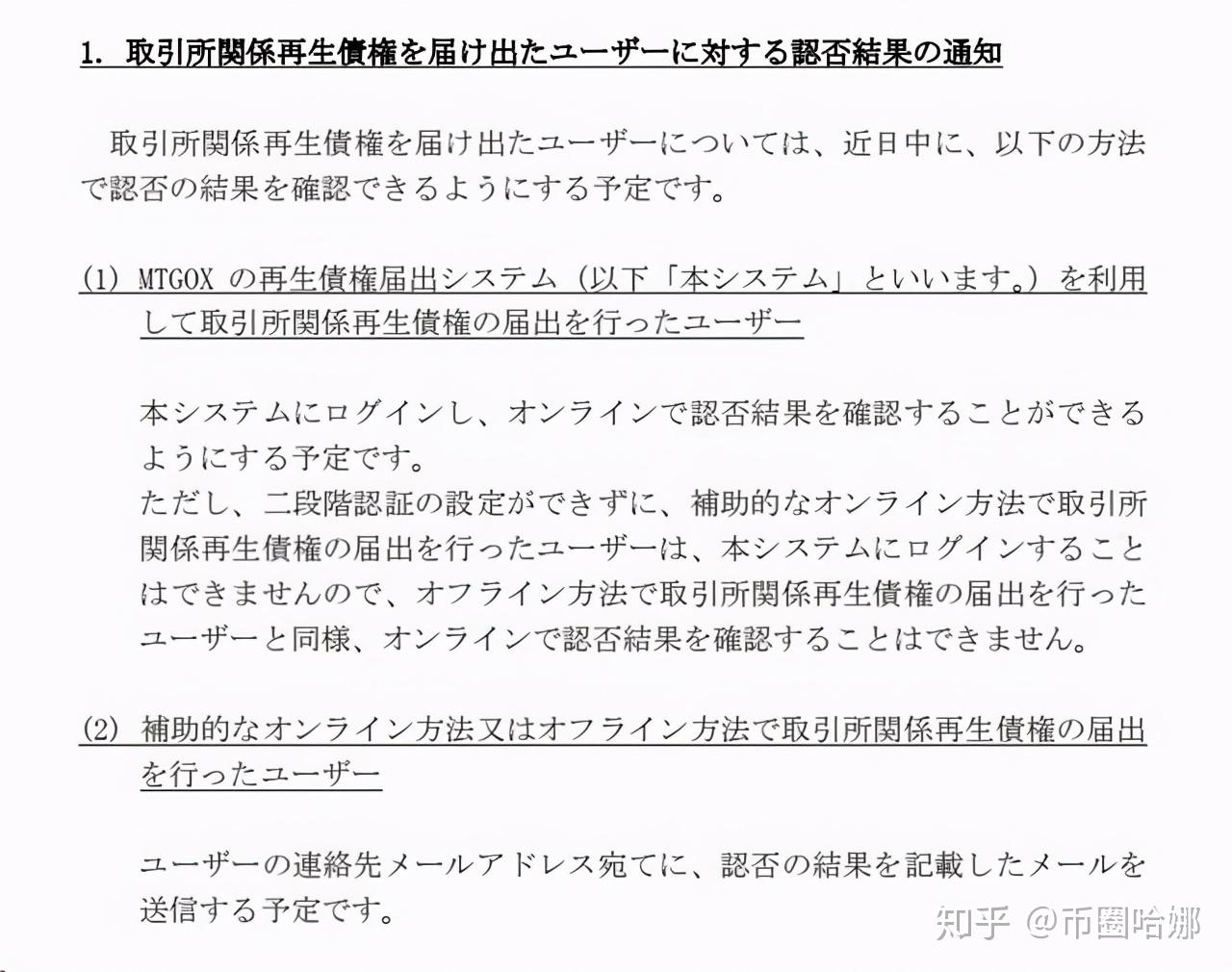
Mt. Gox once handled the majority of global Bitcoin trading volume before its collapse exposed severe security failures. Japanese courts placed the company into bankruptcy proceedings, later shifting to civil rehabilitation to allow creditors to be repaid in bitcoin rather than cash. Trustee Nobuaki Kobayashi has overseen a lengthy process involving asset sales, claims verification and distribution planning. Partial repayments have begun, though many creditors continue to await final settlements.
Legal experts say the trustee’s mandate is bound by existing property rights and court oversight, not by authority over the Bitcoin protocol itself. Any attempt to recover coins through a network-level change would require voluntary adoption by participants, making it a matter of collective agreement rather than judicial order.
Market reaction to the proposal was muted, with bitcoin’s price showing limited volatility after the initial headlines. Analysts suggested that traders viewed the idea as unlikely to gain traction. Even so, the episode has prompted renewed scrutiny of dormant “Satoshi-era” coins, many of which have remained untouched since Bitcoin’s early years.
Advocates of strict immutability warn that once exceptions are entertained, the distinction between theft recovery and broader asset seizure becomes blurred. They argue that confidence in Bitcoin as a censorship-resistant store of value depends on the absence of centralised override mechanisms. Opponents counter that refusing to address historic injustices risks entrenching losses borne by early adopters who helped build the ecosystem.
Karpelès, who was acquitted in 2019 of embezzlement charges in Japan but found guilty of falsifying financial records, has remained a polarising figure. His involvement in any technical proposal inevitably rekindles memories of Mt. Gox’s collapse, which sent shockwaves through the fledgling cryptocurrency industry and prompted tighter regulatory scrutiny of exchanges worldwide.
Developers reiterated that the correct avenue for addressing exchange failures lies in improved custody practices, clearer regulation and user education, rather than retroactive protocol changes. Several emphasised that Bitcoin’s open-source governance model allows anyone to propose modifications, but acceptance depends on broad-based consensus that was clearly absent in this case.
Topics
Cryptocurrency