
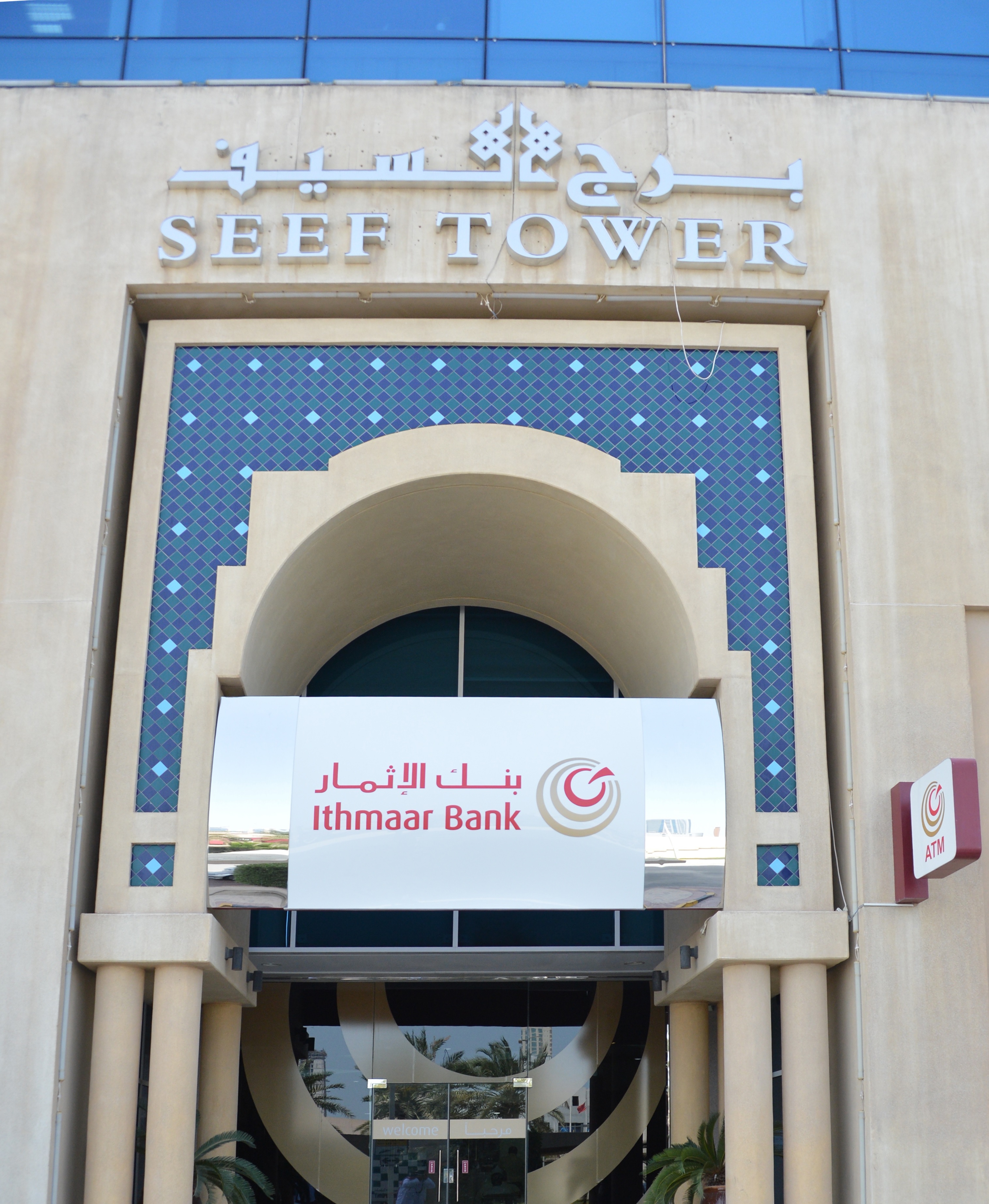
 Ithmaar Bank has announced plans to expand its branch network across Bahrain, signalling a renewed push to strengthen its position in the kingdom’s competitive Islamic retail banking sector. The move comes as lenders in the Gulf recalibrate physical and digital strategies to capture a broader customer base amid shifting consumer preferences and regulatory emphasis on financial inclusion.
The Bahrain-based Islamic bank said the expansion would focus on enhancing accessibility and service delivery, particularly in residential and commercial districts experiencing population and business growth. Executives indicated that the initiative is aligned with a broader strategy to deepen customer engagement while complementing digital banking platforms that have seen accelerated adoption.
Bank officials emphasised that physical branches continue to play a role in advisory services, complex financial transactions and relationship management, even as mobile and online banking gain prominence. The expansion is expected to include redesigned branch formats, incorporating self-service kiosks and streamlined customer service areas to reduce waiting times and improve efficiency.
Ithmaar Bank has undergone significant restructuring over the past decade, including asset consolidation and operational realignment, as it sought to stabilise its financial position and refocus on core retail banking activities. The latest announcement reflects a phase of measured growth following efforts to strengthen its balance sheet and improve profitability.
Bahrain’s banking sector, long regarded as one of the most established financial hubs in the Gulf, has witnessed heightened competition in recent years. Conventional and Islamic banks alike have invested heavily in digital transformation while also reassessing their physical footprints. While some institutions have reduced branch numbers to cut costs, others are selectively expanding in targeted areas to maintain visibility and customer trust.
Industry analysts note that Islamic banks in particular face the challenge of balancing Sharia-compliant product offerings with the need to innovate technologically. Ithmaar’s decision to invest in its branch network suggests confidence in the continued relevance of physical banking channels, especially for segments that value face-to-face interaction.
The bank’s expansion strategy is also likely to align with national economic objectives aimed at boosting private sector growth and supporting small and medium-sized enterprises. By increasing its presence in key locations, Ithmaar may seek to capture opportunities in retail financing, housing loans and SME banking, sectors that remain central to Bahrain’s economic diversification efforts.
Market participants say customer expectations have evolved, with greater demand for seamless integration between digital and physical services. Banks that can offer a hybrid model—combining convenience with personalised service—are seen as better positioned to retain and grow their client base. Ithmaar’s approach appears to reflect this trend, with branch upgrades designed to complement its digital channels rather than compete with them.
The announcement comes at a time when the broader Gulf banking sector is navigating a complex landscape shaped by interest rate movements, regulatory reforms and geopolitical factors. While higher interest rates have supported margins for some lenders, they have also increased borrowing costs for consumers and businesses, potentially affecting loan demand.
Within Bahrain, authorities have continued to promote innovation in financial services, including fintech development and regulatory frameworks that encourage competition. Banks are responding by investing in technology, partnerships and customer experience improvements. Ithmaar’s expansion could be interpreted as part of this wider industry shift towards modernisation and customer-centric models.
Executives at the bank highlighted that the new branches would be designed with flexibility in mind, allowing for future adaptation as customer behaviour evolves. This includes integrating digital onboarding processes and expanding the range of services available through automated systems within branches.
Employment considerations also feature in the expansion plan, with expectations that new branches will create job opportunities, particularly in customer service and operations roles. Training and development initiatives are likely to accompany the rollout to ensure staff can effectively manage both traditional banking services and digital tools.
Topics
Bahrain