
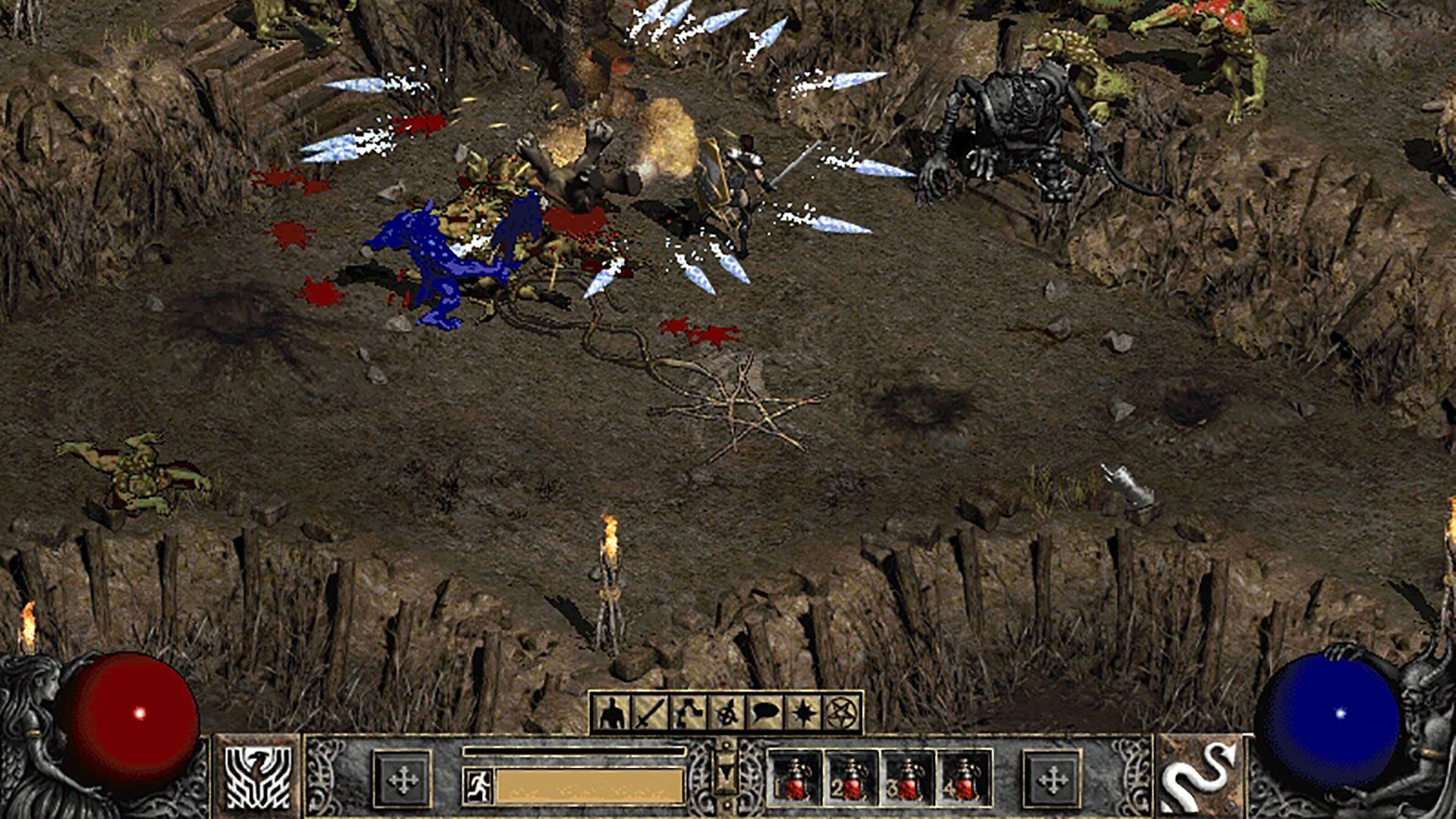
 Diablo II players are revisiting one of the game’s longest-standing mysteries after a decades-old hidden event gained renewed importance through the Reign of the Warlock seasonal update. Blizzard Entertainment’s decision to attach valuable rewards to the obscure mechanic has triggered a surge of interest across the action-role-playing game’s community, prompting players to search once again for a secret event that had largely faded into gaming folklore.
Conversation around the hidden feature intensified after the latest seasonal content introduced a new incentive structure tied to high-value loot drops. Long-time fans quickly realised that the secret encounter—once regarded mainly as a curiosity within the game’s sprawling mechanics—now offers tangible benefits for players seeking powerful equipment. The shift has transformed a niche Easter egg into a strategic objective for those aiming to maximise rewards in the current season.
Diablo II, first released by Blizzard in 2000, has retained an enduring player base due to its complex loot system and replayable dungeon design. The game’s mechanics rely heavily on randomised item drops, encouraging repeated runs through dangerous areas to acquire rare weapons, armour, and charms. Hidden events and secret bosses have always been part of that ecosystem, rewarding exploration and community-driven discovery.
Among the most famous examples is the “Diablo Clone” encounter, an event tied historically to the accumulation of Stone of Jordan rings on game servers. When enough of those items were sold to in-game merchants, the system would trigger a powerful boss capable of dropping the coveted Annihilus charm. For years the event functioned as an unusual server-wide mechanic that required coordinated effort and large amounts of in-game currency.
Developers later adapted the system for modern versions of the game, particularly after the launch of Diablo II: Resurrected in 2021, which brought the classic title to contemporary platforms with updated graphics and infrastructure. Blizzard reworked the trigger conditions so the event could occur more reliably in seasonal play, broadening access to players who might never have encountered it during the original era.
Reign of the Warlock, the current seasonal theme, has re-emphasised endgame farming strategies. Blizzard introduced new incentives for defeating powerful enemies and completing high-difficulty encounters, increasing the importance of rare charm drops and other valuable items that enhance character builds. Within that framework, the once-obscure event has regained relevance because it provides one of the most efficient paths to high-tier rewards.
Players seeking optimal loot now track the conditions that lead to the secret encounter, coordinating through online communities and live tracking tools. Groups monitor server activity and organise gameplay sessions designed to maximise the likelihood of triggering the event, reviving the cooperative spirit that originally surrounded the mechanic in the early 2000s.
Gaming forums and streaming platforms have become focal points for the renewed hunt. Experienced players share strategies for locating the encounter and defeating its formidable boss, whose high health and destructive attacks can overwhelm unprepared characters. Guides explaining the mechanics behind the event have proliferated, helping newer players understand a system that predates many of today’s live-service design conventions.
The renewed interest also highlights the enduring influence of Diablo II’s design philosophy. Blizzard’s early action-role-playing titles helped define the genre’s emphasis on loot rarity, procedural environments and long-term progression. Developers across the industry have adopted similar mechanics, from seasonal resets to community-driven discovery of hidden content.
Reintroducing value to legacy features can also extend the lifespan of older games. Analysts in the gaming sector often note that reviving forgotten systems allows developers to refresh established titles without major structural overhauls. By linking long-standing secrets to seasonal rewards, studios can generate excitement while preserving the core gameplay that veteran players appreciate.
Blizzard has increasingly relied on seasonal content to maintain engagement across its franchises. Rotating themes and gameplay modifiers encourage players to create new characters and explore different strategies, keeping a decades-old game relevant in a market dominated by continually evolving online experiences. Diablo II: Resurrected in particular has benefited from this model, attracting both returning fans and newcomers discovering the classic for the first time.
For long-time players, the rediscovery of the hidden encounter evokes a sense of nostalgia tied to the game’s early years. Many remember when information about such mechanics spread slowly through message boards and word of mouth rather than through the instantaneous channels of modern gaming culture. The renewed focus on the event illustrates how older design ideas can regain significance when placed in a contemporary context.
Topics
Gaming