
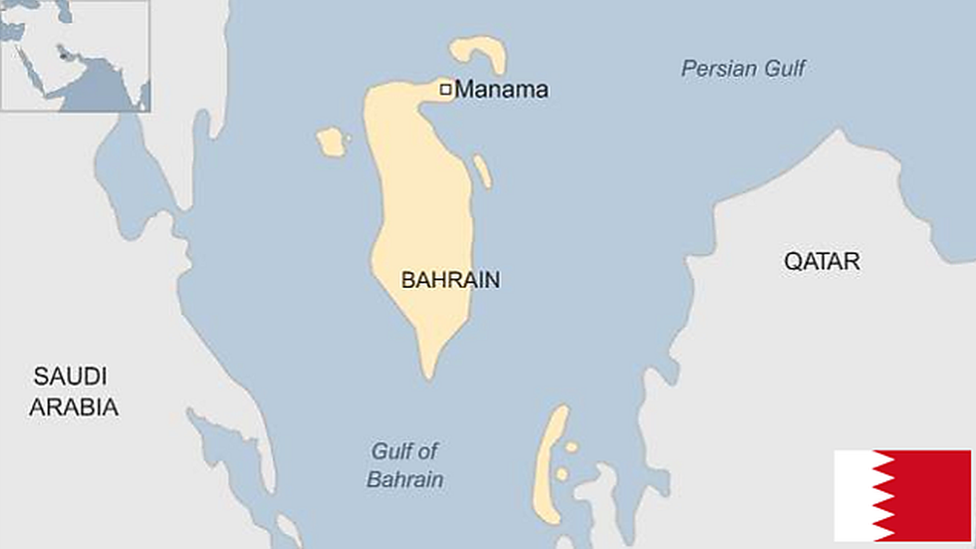
 Bahrain’s military has intercepted 129 ballistic missiles and 233 drones since the onset of Iranian-linked attacks, marking one of the most sustained air defence operations in the Gulf as regional tensions escalate.
The Bahrain Defence Force confirmed that its air defence systems have successfully neutralised incoming threats targeting the island kingdom, underscoring the scale and persistence of aerial assaults linked to the widening confrontation involving Iran and its regional adversaries. Officials indicated that the interceptions took place over multiple phases, with both missile and drone activity reflecting a coordinated campaign rather than isolated incidents.
Military analysts note that the volume of projectiles highlights an operational shift in the use of combined missile and drone warfare across the region. Ballistic missiles, typically faster and more difficult to intercept, were deployed alongside slower, low-flying drones designed to test and overwhelm defence systems. Bahrain’s ability to intercept such numbers points to layered defence architecture, likely integrating radar surveillance, interceptor missiles and electronic countermeasures.
Authorities in Manama have not disclosed specific locations targeted within the country, but the pattern of attacks suggests strategic infrastructure and defence installations were among potential objectives. Bahrain hosts key military assets, including facilities used by allied forces, making it a significant node in regional security dynamics.
Officials described the defence response as coordinated and effective, with no large-scale damage reported. The absence of confirmed casualties has been presented as evidence of both early warning capabilities and rapid interception procedures. Defence officials emphasised that continuous monitoring remains in place amid expectations of further attempts.
The scale of interceptions has drawn attention to the broader regional escalation, where missile and drone exchanges have become a defining feature of conflict dynamics. Gulf states have increasingly invested in air defence systems following earlier attacks on energy facilities and urban centres, particularly those attributed to Iran-aligned groups. Bahrain’s latest figures suggest these investments are being tested at unprecedented levels.
Security experts argue that the dual use of drones and ballistic missiles reflects evolving tactics aimed at saturating defence networks. Drones can be deployed in swarms to distract radar systems, while missiles follow at higher speeds, complicating interception timing. The numbers reported by Bahrain indicate that such tactics are being employed in a sustained manner rather than as one-off demonstrations.
Regional governments have responded by reinforcing defensive postures and enhancing intelligence coordination. Bahrain’s military cooperation with allies has long included joint exercises and shared surveillance frameworks, which analysts say may have contributed to the effectiveness of its interception efforts. The presence of advanced defence systems in the Gulf, including those capable of engaging multiple targets simultaneously, has become central to countering such threats.
The developments come against a backdrop of heightened geopolitical tension, where maritime security, energy infrastructure and urban centres remain vulnerable to asymmetric attacks. The Gulf’s strategic position as a global energy hub has intensified concerns that prolonged hostilities could disrupt supply chains and financial markets.
Diplomatic channels remain active, though prospects for de-escalation appear uncertain. Regional actors have issued statements emphasising sovereignty and security, while also calling for restraint. Bahrain’s announcement aligns with broader messaging from Gulf governments highlighting preparedness and resilience in the face of escalating threats.
Military observers suggest that the sustained interception of such a large number of aerial threats may also carry implications for defence logistics. Interceptor missiles are costly, and prolonged engagements can strain stockpiles and operational readiness. This has prompted discussions about the need for cost-effective countermeasures, including directed energy systems and enhanced electronic warfare capabilities.
Topics
Bahrain