
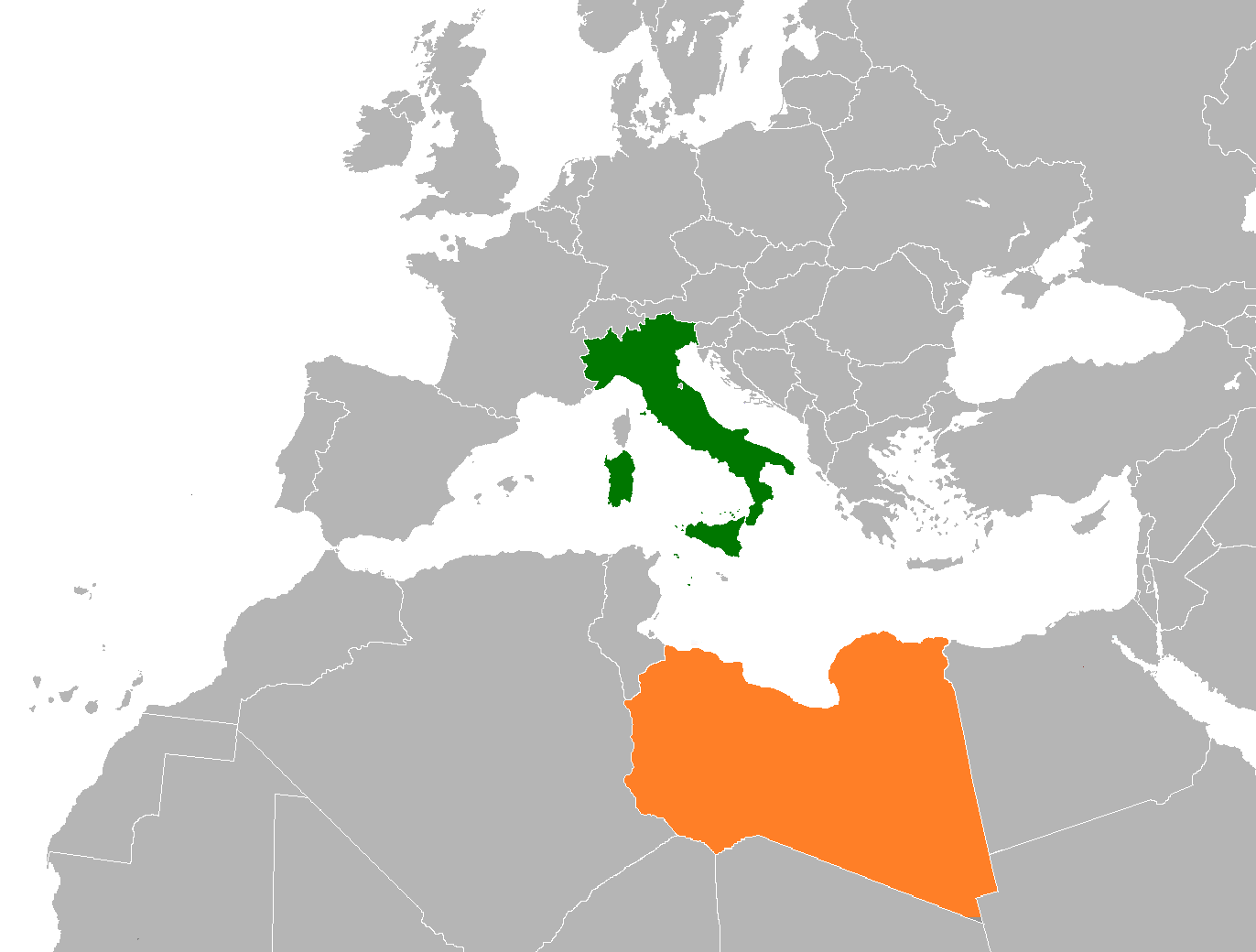
 Italy and Libya have signed a package of agreements aimed at expanding cooperation in the health and energy sectors, marking a significant step in efforts to stabilise and rebuild Libya’s economy while reinforcing Rome’s strategic presence in North Africa.
The accords were formalised during a high-level bilateral meeting that brought senior officials, executives from major Italian companies and representatives of Libya’s Reconstruction Fund together in Benghazi. The focus was on reviving essential infrastructure damaged by years of conflict and neglect, with healthcare delivery and energy supply identified as priority areas.
Italian participation centres on a mix of public and private sector players with experience in large-scale infrastructure and hospital management. Under the health agreements, Italian firms will support the rehabilitation of hospitals, supply modern medical equipment and provide training programmes for Libyan doctors and technicians. Plans include upgrading emergency care facilities and expanding specialist services in eastern Libya, where access to advanced treatment remains limited.
Energy cooperation forms the second pillar of the agreements. Italian companies are expected to work with Libyan counterparts on modernising oil and gas facilities, improving electricity generation and exploring renewable energy projects suited to Libya’s climate. Officials involved in the talks said the aim is to boost production efficiency, reduce outages and lay the groundwork for diversifying the energy mix beyond hydrocarbons.
Benghazi’s selection as the venue carried symbolic weight. Once a focal point of Libya’s conflict, the city has become a hub for reconstruction initiatives led by the Libya Reconstruction Fund, which oversees projects across transport, housing and utilities. The presence of Italian delegations there signalled confidence in the security environment and in the fund’s ability to coordinate large investments.
Libyan officials described the agreements as part of a broader strategy to attract foreign expertise while maintaining national oversight of critical assets. They emphasised that partnerships would be structured to ensure skills transfer and long-term sustainability, rather than short-term contracting. Italian representatives echoed that view, stressing that cooperation was intended to be mutually beneficial and rooted in long-standing historical and economic ties between the two countries.
The health sector component is seen as particularly urgent. Libya’s healthcare system has struggled with shortages of trained staff, inconsistent power supply and ageing facilities. By involving Italian hospital operators and biomedical firms, Libyan authorities hope to accelerate upgrades that might otherwise take years to implement domestically. Training exchanges and joint research initiatives are also under discussion, potentially linking Libyan institutions with Italian universities and medical centres.
Energy collaboration builds on Italy’s existing footprint in Libya’s oil and gas industry, which has remained one of the country’s most resilient sectors despite political fragmentation. Officials said the new agreements extend cooperation into downstream activities and grid infrastructure, areas that directly affect daily life for Libyans. Renewable energy pilots, including solar installations near urban centres, are intended to reduce reliance on diesel generators and stabilise supply.
Analysts view the deals as aligning with Italy’s broader Mediterranean policy, which seeks to combine economic engagement with support for stability in neighbouring regions. Libya remains a key partner due to its energy resources, geographic proximity and role in regional migration dynamics. Strengthening institutional ties through reconstruction projects is seen in Rome as a way to anchor long-term cooperation beyond short-term political cycles.
For Libya, the agreements come amid efforts to present a more unified economic front to foreign investors. While political divisions persist, reconstruction bodies and technocratic agencies have pushed ahead with projects designed to demonstrate progress on the ground. Partnering with established Italian firms offers credibility and access to financing mechanisms that may be difficult to secure otherwise.
Implementation timelines were not publicly detailed, but officials indicated that preliminary work would begin within months, starting with assessments of hospital needs and energy infrastructure. Financing is expected to involve a mix of Libyan funds, commercial investment and potential support from European financial institutions, subject to project approval and regulatory clearance.
Topics
Live News