
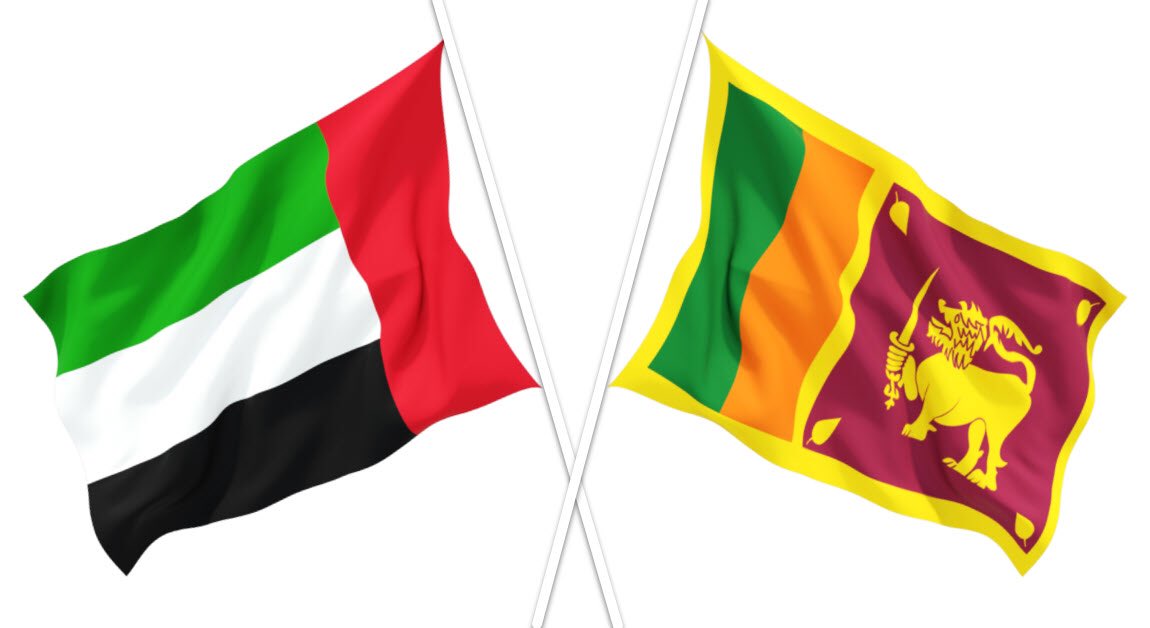
Teams from Emirates Red Crescent, the UAE Aid Agency and the Abu Dhabi Civil Defence have already been deployed via the Joint Operations Command, carrying food, shelter materials and other emergency necessities to disaster-hit zones. Rescue personnel are also engaged in search-and-rescue missions to reach survivors trapped by flooding and landslides.
The scale of destruction across Sri Lanka has been immense. Government authorities report at least 355 fatalities and 366 people missing, with hundreds of thousands more displaced by flood-waters and landslides. Many homes have been destroyed or severely damaged, while essential services such as water, electricity and transportation remain disrupted in many areas.
The disaster has affected communities nationwide, including heavily populated zones around Colombo where the overflowing Kelani River breached its banks, forcing mass evacuations and placement of thousands in temporary shelters. Authorities have mobilised military, naval and air-force assets to assist with evacuations, medical aid and restoration of services.
The UAE’s intervention builds on an international relief effort that already includes assistance from neighbouring countries. Under Operation Sagar Bandhu, the Indian Air Force and disaster response teams have flown tonnes of relief material into Sri Lanka and deployed evacuation missions for stranded civilians. Naval vessels have also carried essential supplies to coastal and flood-hit areas.
Officials in Colombo have welcomed the UAE’s prompt response, emphasising that influx of assistance will help alleviate immediate suffering and stabilise affected communities. Many displaced families are currently relying on tents and makeshift shelters while flood-waters recede and infrastructure repair gets underway. Emergency teams are prioritising the most vulnerable — including children, elderly residents and those who lost homes completely.
Aid workers warn that challenges remain significant. Widespread damage to roads and bridges, power outages and disrupted water supply networks have complicated relief distribution. Heavy rainfall in upper catchment areas continues to threaten further flooding, urging authorities to maintain high alert as recovery efforts proceed.
Humanitarian groups and donor countries are now coordinating efforts to deliver not only immediate relief but also long-term support, including rehabilitation of housing, restoration of water and sanitation, and rebuilding of key infrastructure. The intervention by the UAE underscores broader international solidarity at a time when Sri Lanka faces one of the worst natural disasters in its recent history.
Topics
UAE