
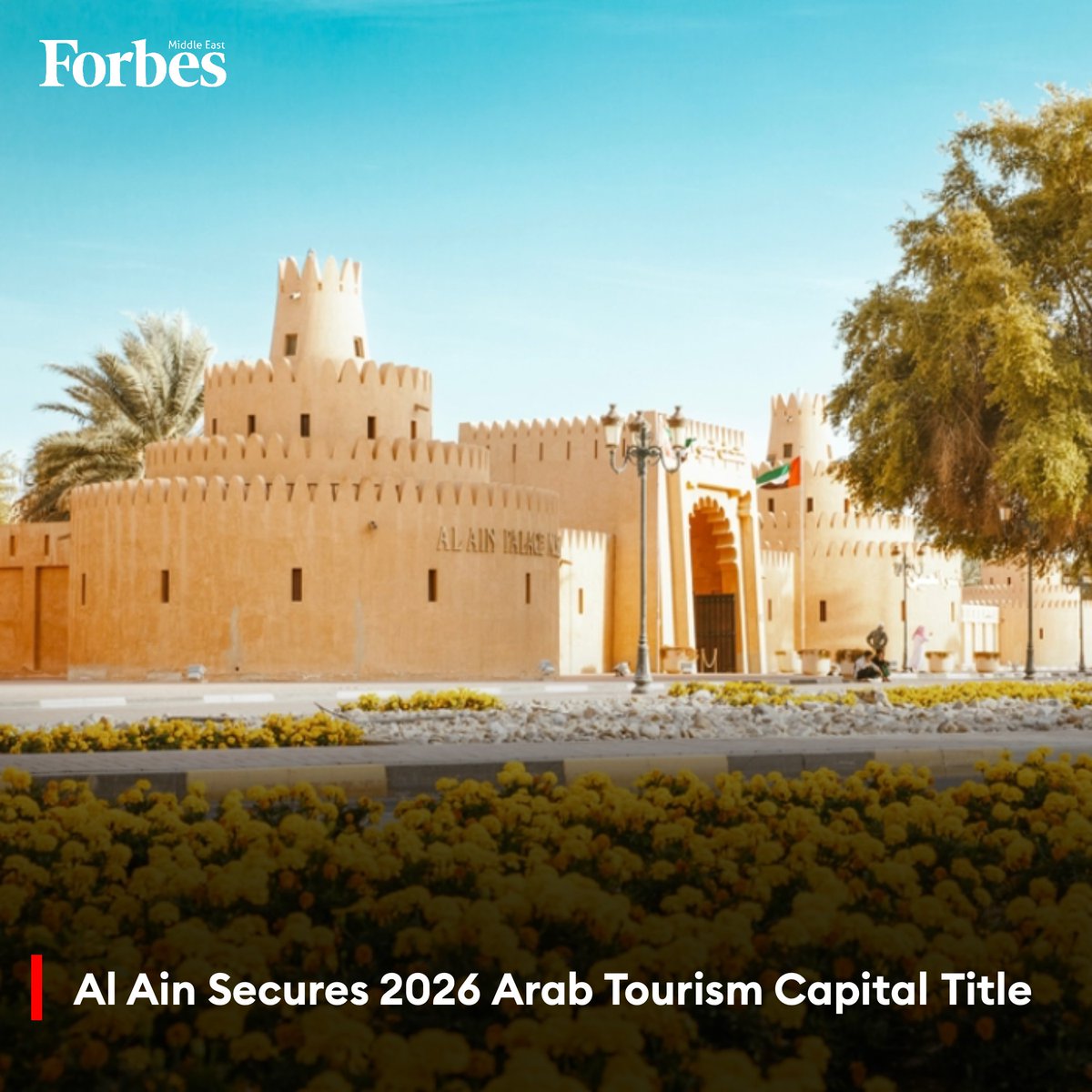
The announcement was made at the council’s session attended by tourism ministers and senior officials from member states of the Arab League, where deliberations focused on aligning tourism development with economic diversification goals, environmental stewardship and the protection of shared cultural identity. The choice of Al Ain, located in the eastern part of Abu Dhabi, reflects its standing as a UNESCO-listed cultural landscape and its growing role in heritage-led tourism.
Al Ain’s selection underscores a broader push by Arab states to highlight destinations that balance conservation with development. Known for its oasis system, archaeological sites and long-established traditions, the city has been positioned by authorities as a model for safeguarding tangible and intangible heritage while accommodating modern visitor infrastructure. Its nomination was supported by assessments of cultural assets, readiness to host regional events and long-term tourism planning frameworks.
During the Baghdad meeting, ministers examined strategies to advance sustainable tourism practices, including reducing environmental impact, improving water and energy efficiency at tourist sites, and integrating local communities into tourism value chains. These discussions reflected growing recognition that climate pressures and resource constraints require a recalibration of tourism growth models, particularly in arid regions.
A significant part of the agenda addressed boosting intra-Arab tourism, with officials noting that travel within the region remains below potential despite shared language, cultural ties and geographic proximity. Proposals discussed included easing travel procedures, harmonising standards for hospitality services and developing joint promotional campaigns that encourage multi-destination itineraries across Arab states.
Digital transformation and innovation also featured prominently. Ministers explored how technology can enhance visitor experiences, improve destination management and support small and medium-sized tourism enterprises. Ideas ranged from unified digital platforms for cultural tourism to the use of data analytics in managing visitor flows at sensitive heritage sites. Al Ain’s growing adoption of smart tourism tools was cited as aligning with these priorities.
Cultural heritage protection formed another pillar of the council’s deliberations. Participants highlighted threats posed by urban expansion, illicit trafficking of artefacts and inadequate documentation of historical sites. The designation of Al Ain was framed as an opportunity to draw attention to best practices in conservation, given the city’s experience in managing living heritage landscapes and restoring historic structures without eroding their authenticity.
Officials involved in the decision emphasised that the Capital of Arab Tourism title is intended to be more than symbolic. Host cities are expected to organise programmes that promote cultural exchange, professional training and policy dialogue throughout the year. For Al Ain, this is likely to translate into a calendar of exhibitions, conferences and community-focused events designed to showcase heritage while fostering collaboration among Arab tourism institutions.
The choice also aligns with broader economic strategies pursued by Abu Dhabi to diversify beyond hydrocarbons by expanding cultural and creative industries. Tourism linked to heritage, education and wellness has been identified as a resilient segment capable of attracting longer stays and higher-value visitors. Al Ain’s museums, forts and natural landscapes position it well within this framework.
Regional observers note that the decision comes amid intensified competition among Arab destinations seeking to differentiate themselves in a crowded global tourism market. By elevating cities with deep historical roots, the council aims to counterbalance the dominance of leisure-centric destinations and reinforce narratives centred on civilisation, learning and continuity.
Topics
Culture