
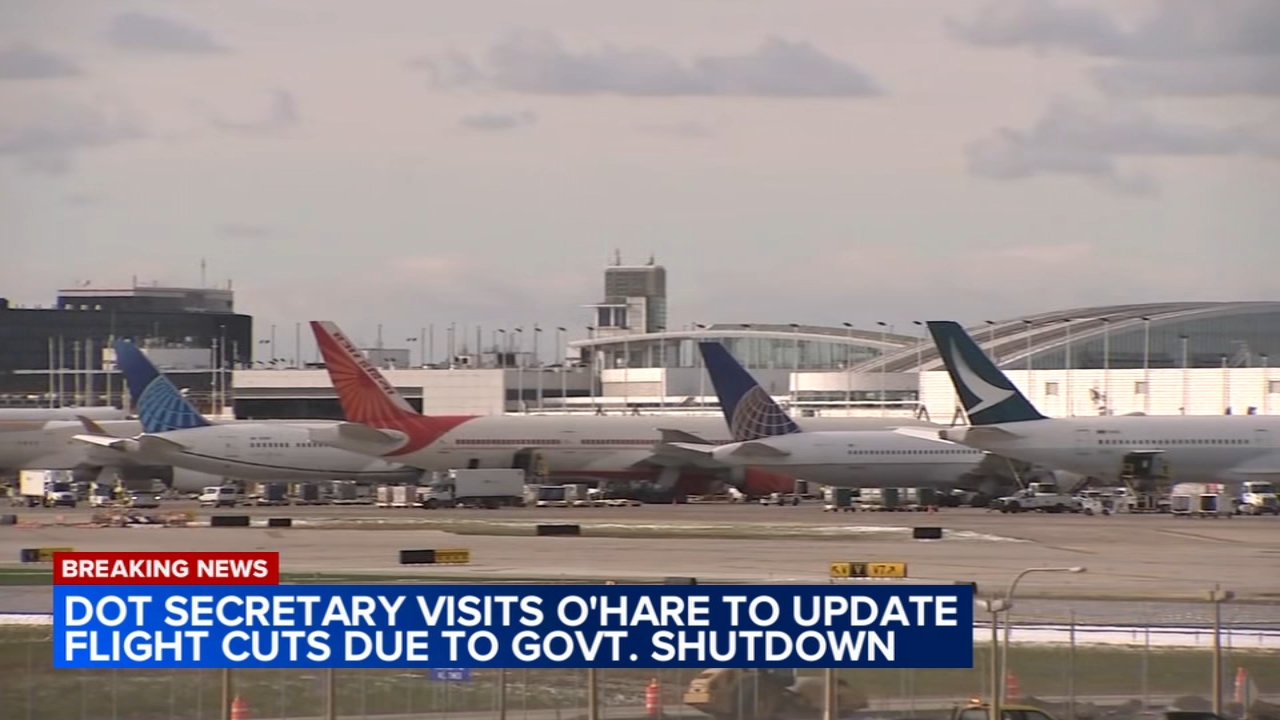
The shutdown, which has now entered its fourth week, has strained several key federal agencies, with air traffic control services among the hardest hit. The Federal Aviation Administration has been operating with a skeleton workforce, as non-essential staff remain furloughed under the budget impasse. Despite the partial reopening of some government services, air traffic control operations have not yet returned to full capacity, further complicating an already volatile travel environment.
On Tuesday alone, flight cancellations surged as more airlines scrambled to manage their schedules amid the staffing shortages. Major carriers, including American Airlines, Delta, and United, accounted for a significant portion of the cancellations, with many routes grounded between East Coast hubs and the Midwest. While some flights were delayed or rerouted, others were cancelled altogether, leaving passengers stranded and scrambling for alternate travel arrangements.
Industry experts have voiced growing concern over the long-term impact of the shutdown, noting that the ripple effects will likely be felt for weeks to come, even after government operations resume. The aviation sector is already struggling with high levels of congestion, especially during peak travel periods, and the shutdown only exacerbates existing challenges in the sector.
There is some hope on the horizon, however. According to reports, air traffic control staffing levels have begun to improve as furloughed workers return to their posts. The FAA has indicated that it is working to expedite the return of essential personnel, including those tasked with managing flight routes, airspace coordination, and airport traffic. This, in turn, should help ease the backlog of delayed and cancelled flights that has been building over the past several days.
Passengers, however, are facing an uncertain wait as they prepare for continued flight disruptions. Many are now concerned about potential delays in upcoming travel, especially as airlines struggle to accommodate the growing demand for flights during a busy travel season. The effects of the shutdown are not limited to just flight schedules but also have a cascading impact on airport operations, with security checks and baggage handling services also facing delays.
As the shutdown drags on, passengers have been urged to monitor their flight statuses closely and to be prepared for significant delays or cancellations, even as air traffic control staffing improves. Despite the challenges, airlines are working closely with the FAA to return services to normal as quickly as possible.
Topics
World