
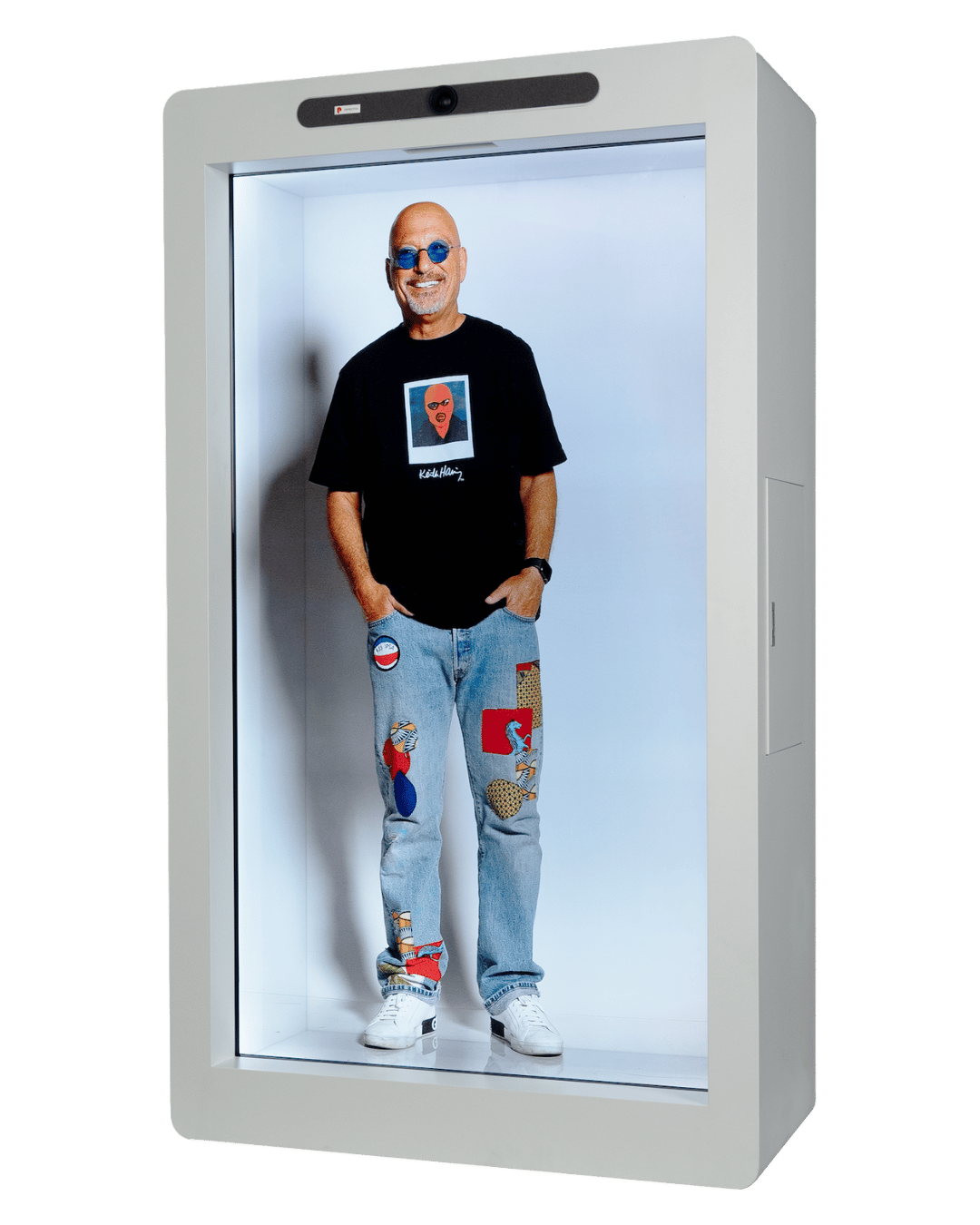
 , not “Pronto Hologram”, and the announcement was made at Licensing Expo 2026 in Las Vegas by Sharon and Jack Osbourne.
 Digital Ozzy plan tests fan loyalty
Ozzy Osbourne’s family is pushing ahead with plans for an AI-powered avatar of the late Black Sabbath frontman, with Jack Osbourne insisting the project will be handled “tastefully” after a wave of criticism from fans who questioned the use of the singer’s likeness after his death.
The initiative, announced at Licensing Expo 2026 in Las Vegas, brings together the Osbourne family, digital human specialist Hyperreal and hologram technology firm Proto Hologram to create what the family has described as the “digital DNA” of Ozzy Osbourne, including his voice, image and movement. The project is intended to allow fans to interact with a life-sized digital version of the singer through AI-enabled hologram units, with deployments planned in the United Kingdom and United States later this year.
Jack Osbourne, who appeared at the event with his mother Sharon Osbourne, said the family had discussed the concept with Ozzy before his death and rejected suggestions that the avatar would amount to a crude commercial replica. He argued that the technology had advanced beyond a simple chatbot or pre-recorded projection, saying the aim was to produce an experience consistent with his father’s personality and legacy.
Fan reaction has been divided. Supporters view the project as a new way to preserve the presence of one of heavy metal’s defining figures, particularly for younger audiences who never saw him perform. Critics have described the plan as uncomfortable, raising concerns over posthumous digital performance, brand exploitation and whether even family approval can fully resolve questions of artistic consent after death.
Sharon Osbourne has framed the project as a legacy effort rather than a replacement for the artist. She has said the digital version of Ozzy will be able to speak to fans and respond in a manner designed to reflect how he might have answered. The family’s involvement is being presented as a safeguard against misuse, with control over source material and the avatar’s public appearances remaining central to the project.
Hyperreal, known for developing digital humans, is expected to build the AI model using authorised material, including archive footage, recordings and visual references. Proto Hologram’s role centres on the display technology, including life-size units capable of presenting interactive AI figures in physical spaces. The companies have promoted the system as a form of real-time embodied AI rather than a conventional hologram show.
The timing has intensified debate. Osbourne died in July 2025 at the age of 76, weeks after his final appearance with Black Sabbath at Villa Park in Birmingham. That performance, billed as “Back to the Beginning”, brought together major metal acts and served as a farewell to a career that helped define heavy metal’s mainstream identity. For many fans, the emotional proximity of that farewell has made the AI plan difficult to separate from grief and commercial branding.
The controversy also reflects a wider shift across entertainment, where estates, studios and technology companies are testing how far digital likenesses can be extended after a performer’s death. Hologram-style and AI-assisted recreations have already appeared in music, film and live events, but public acceptance remains uneven. Audiences have embraced some projects when they appear celebratory and artist-approved, while others have faced resistance when they seem to blur the line between tribute and exploitation.
Osbourne’s case is particularly sensitive because his public image was built on spontaneity, humour, frailty and excess as much as music. A digital version that can answer questions in his voice risks inviting scrutiny over authenticity: whether responses are genuinely rooted in the artist’s recorded personality or shaped by commercial guardrails, brand strategy and algorithmic prediction.
The project nevertheless fits the Osbourne family’s long history of managing Ozzy’s public persona across music, television, merchandise and licensing. The family transformed him from heavy metal pioneer into a global pop-culture figure through the success of The Osbournes, while maintaining the mythology of the “Prince of Darkness”. The AI avatar extends that brand into a market where celebrity estates are increasingly exploring interactive technologies as new revenue streams.
For Hyperreal and Proto Hologram, the Osbourne partnership offers a high-profile test of whether digital likeness technology can move from novelty to mainstream entertainment. The companies are likely to face close attention over transparency, consent, data use and the limits placed on what the avatar can say or endorse.
Jack Osbourne’s defence suggests the family understands the reputational risk. By saying the project will not be “lame” and will be handled with care, he has sought to reassure fans that the digital Ozzy will not be used as an indiscriminate promotional tool. Whether that assurance is enough will depend on the first public demonstrations, the settings in which the avatar appears and how clearly the family distinguishes homage from commercial resurrection.
Topics
Entertainment